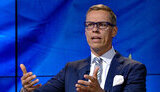
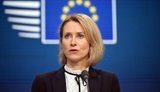
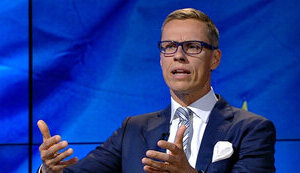
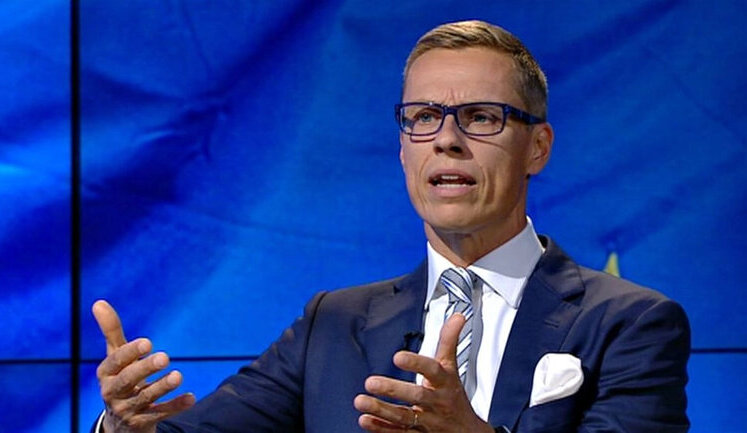
As discussions regarding the potential resumption of EU-Russia dialogue unfold, significant controversy arises over the individuals proposed for negotiation roles. Russian President Vladimir Putin suggested former German Chancellor Gerhard Schröder as a mediator, but European officials, including EU's High Representative Kaja Kallas, have expressed strong opposition due to Schröder's known ties to Russia. Meanwhile, Germany is contemplating proposing President Frank-Walter Steinmeier as an alternative negotiator. The Finnish President Alexander Stubb highlighted the strategic necessity for Europe to engage with Russia due to shifts in U.S. policy, emphasizing the importance of aligning European interests in efforts to mediate the ongoing war in Ukraine.
What is the significance of the EU-Russia dialogue resumption?
The resumption of EU-Russia dialogue is significant as it represents an effort to mediate the Russian-Ukrainian war. It holds potential impacts on international relations and European diplomatic strategies, particularly in light of evolving geopolitical landscapes and differing policies from major powers like the United States.
Why is Gerhard Schröder a controversial choice as mediator?
Gerhard Schröder is controversial due to his close ties with Russia, including roles as a lobbyist for Russian energy companies. His potential conflict of interest raises concerns about impartiality and effectiveness in representing EU interests during negotiations to resolve the conflict with Russia.
Who else is being considered as a mediator for EU-Russia talks?
Germany is considering proposing President Frank-Walter Steinmeier as a mediator for EU-Russia talks. His candidacy represents a shift towards finding a neutral and credible figure that could facilitate productive dialogue and negotiations aimed at resolving the tensions and warfare issues between Ukraine and Russia.
How does U.S. policy affect EU's decision to resume dialogue?
The U.S. policy impacts the EU's decision because differing approaches to the Russian-Ukrainian conflict could compel Europe to independently engage with Russia to protect its interests. Alignment or divergence in U.S. and EU policies regarding Russia may necessitate autonomous action by the EU in its diplomatic efforts.
What role does Finnish President Alexander Stubb play in this context?
Finnish President Alexander Stubb has highlighted the strategic necessity for Europe to resume dialogue with Russia, especially in light of U.S. policy shifts. His statements underscore the importance of proactive measures by European nations to align their interests in achieving a peaceful resolution to the conflict in Ukraine.