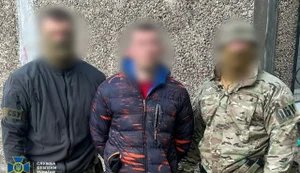
The Security Service of Ukraine (SSU) has intensified operations against Russian-backed agents, detaining multiple individuals involved in directing strikes on Ukrainian infrastructure and military positions. Recent apprehensions include an agent in Kyiv facilitating attacks on air defenses and energy facilities, while in Donetsk, a spotter was caught relaying coordinates for enemy fire. In Dnipropetrovsk, an agent linked to the targeting of defense facilities has been captured. These arrests form part of a wider campaign to neutralize threats orchestrated by Russian intelligence, underscoring the SSU's pivotal role in safeguarding national security amid ongoing hostilities.
What actions have been taken against Russian agents in Ukraine?
The Security Service of Ukraine (SSU) has actively apprehended numerous Russian agents involved in directing enemy strikes on Ukrainian targets. These include arrests in various regions like Kyiv, Odesa, and Dnipro, where agents were coordinating attacks on military and civilian infrastructure. The SSU's operations demonstrate a strategic effort to dismantle espionage networks and prevent further aggression.
Where have recent detentions of Russian agents occurred?
Recent detentions of Russian agents by the Security Service of Ukraine (SSU) have taken place across multiple regions, including Kyiv, Donetsk, Kharkiv, and Dnipropetrovsk. These agents were targeting critical infrastructure and military positions, highlighting a nationwide effort by the SSU to counteract sabotage and espionage activities.
How is the SSU combating Russian espionage activities?
The SSU is conducting a series of counter-intelligence operations aimed at identifying and detaining Russian agents within Ukraine. These operations are focused on infiltrating networks involved in directing enemy strikes and gathering intelligence for Russia. Successful detentions in key regions highlight the SSU's commitment to securing Ukrainian sovereignty and safety.
What measures are being implemented to protect Ukrainian infrastructure from strikes?
To protect critical infrastructure, the SSU has ramped up surveillance and intelligence operations to identify potential threats. Their efforts have led to the detention of multiple agents involved in planning attacks on energy facilities, air defenses, and other strategic targets, thereby reducing the risk of successful enemy strikes and securing vital Ukrainian assets.
Who are the main targets of the SSU's counter-intelligence efforts?
The main targets of the SSU's counter-intelligence efforts are Russian agents operating within Ukraine. These agents, often embedded in local communities, are typically involved in gathering intelligence for coordinating missile and drone attacks. By detaining these individuals, the SSU disrupts potential threats and enhances national security.
What types of operations has the SSU conducted against Russian agents?
The SSU has conducted extensive operations, including covert surveillance and direct action, to identify and apprehend Russian agents. These operations have successfully disrupted plots involving missile targeting in cities like Kyiv and strategic regions such as Dnipro and Odesa. Each arrest weakens the operational capability of hostile forces within Ukraine.
What impact has detaining Russian agents had on Ukraine's security?
Detaining Russian agents has significantly enhanced Ukraine's security by disrupting enemy intelligence operations and decreasing the efficacy of planned strikes. Each successful arrest prevents potential attacks, thereby safeguarding infrastructure and military assets while supporting the overall stability and resilience of the nation amid ongoing conflict.
How are apprehended Russian agents affecting regional security in Ukraine?
Apprehended Russian agents have a direct impact on regional security in Ukraine by eliminating key operatives responsible for coordinating attacks. These detentions mitigate the risk of planned strikes, protecting vital areas and contributing to the broader effort to maintain stability and security across Ukraine's diverse regions.