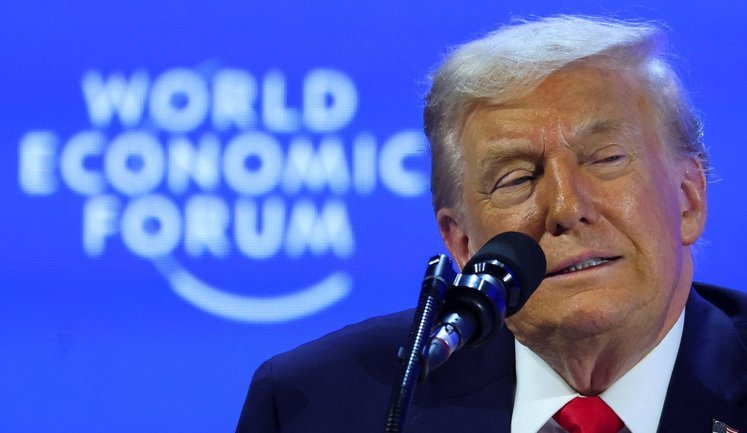
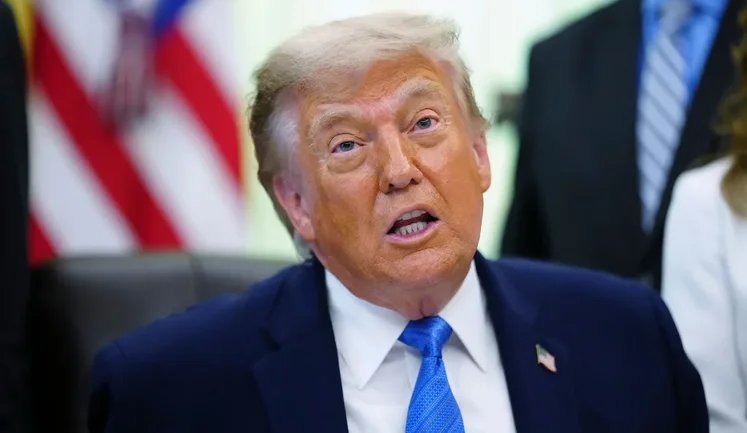
The trend of US aid to Ukraine remains a focal point of international geopolitical discourse. With the recent developments in 2026, President Donald Trump has been vocal about past decisions made by his predecessor, accusing Joe Biden of excessive aid to Ukraine. This has spurred discussions within the government regarding the continuation and reallocation of military support. Despite the political disputes, the Pentagon has contracted out almost all of a $400 million military aid package to Ukraine, highlighting ongoing support amidst international negotiations. The US Congress, not aligned with all of Trump's policies, continues to push forward with potential new aid packages, balancing domestic political pressures with international commitments. Complex diplomatic engagements unfold as Ukraine looks towards leveraging existing military support to bolster its defense capabilities amid threats. This dynamic underscores the layered political, military, and economic discussions surrounding US support for Ukraine during this period.
What are the key factors influencing US aid to Ukraine?
US aid to Ukraine is shaped by multiple factors, including political decisions by the current administration under President Trump, congressional actions, and ongoing international agreements. The political landscape in the US shows divergent views, with some supporting continued aid while others advocate for reduction, citing domestic priorities. Additionally, international dynamics, like negotiations with Russia, impact the scale and scope of aid provided.
How has US congressional action affected aid to Ukraine?
US Congress has played a significant role in shaping aid to Ukraine, with legislative bodies pushing forward packages independent of the executive stance. For instance, despite President Trump's critical view of Biden's aid decisions, Congress has advanced additional aid initiatives, reflecting bipartisan support for Ukraine amidst global tensions. This balance of power impacts the continuity and nature of military and economic assistance.
What specific military aid has the US provided to Ukraine?
The US has provided substantial military aid to Ukraine, including $400 million in the latest fiscal allocations. The aid package comprises various military equipment, including munitions and advanced weaponry systems. However, certain high-demand items like Patriot missiles were not included, reflecting strategic prioritization and resource constraints. This aid supports Ukraine's defense against Russian aggression, bolstering its military readiness and capabilities.
How is the US handling international diplomatic pressures regarding Ukraine?
The US maneuvers complex diplomatic landscapes, balancing support for Ukraine while engaging in negotiations with other global powers like Russia. Discussions continue around diplomatic resolutions, military support logistics, and economic aid strategies. The administration navigates these dynamics while facing domestic scrutiny and international expectations to facilitate diplomacy and maintain strategic alliances.
What is President Trump's stance on US aid to Ukraine?
President Trump has expressed critical views on unrestricted aid to Ukraine, criticizing past administrations for allegedly excessive support. His approach emphasizes more conditional aid distribution and questions the strategic benefit to the United States. However, this stance does not entirely halt US support, as certain strategic and humanitarian considerations continue to influence aid policies.
Is there any pressure from international allies regarding US aid to Ukraine?
International allies, particularly those in NATO and the EU, contribute to the dialogue surrounding US aid to Ukraine. These allies generally support continued assistance amidst shared security concerns and collaborative defense strategies. Communication with European counterparts and multilateral forums influences US decisions, balancing domestic policy with global security obligations and allied expectations.