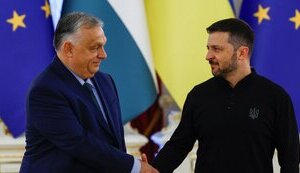
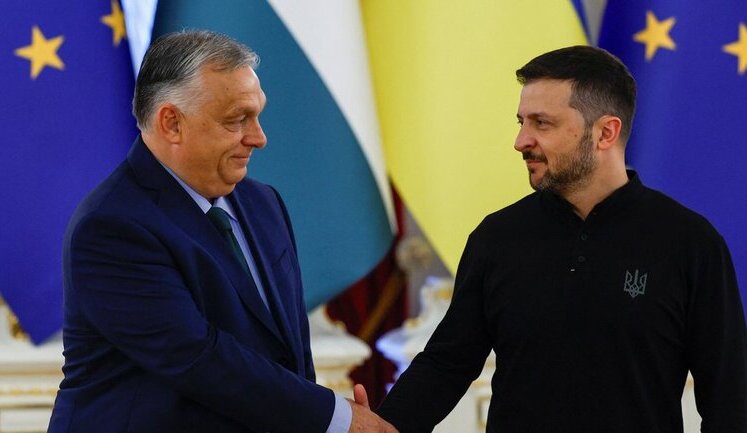
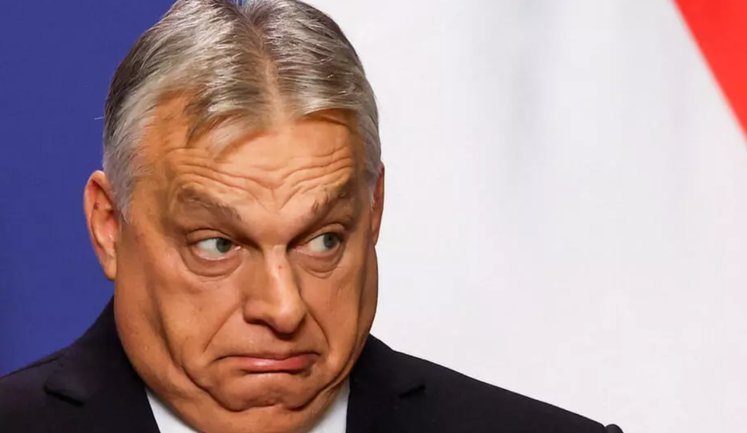
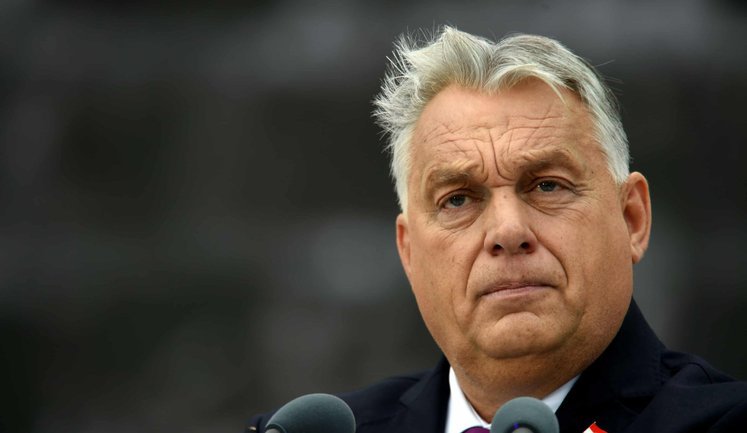
Hungarian Prime Minister Viktor Orban's anti-Ukrainian stance continues to disrupt the European Union's cohesion as his ties with Russia raise significant concerns. Recently, European Commission President Ursula von der Leyen announced plans to address Orban's connections with Russia during an informal EU summit, highlighting the growing anxiety within the union over Hungary's policies. Orban's insistence on Ukraine reopening the Druzhba oil pipeline as a condition for aid demonstrates his influential position. The strategy has not only affected Hungary's relations with other EU members but also put future financial and military support for Ukraine into question. Observers anticipate that Orban's actions will have long-lasting effects on the EU's political landscape and its approach to Eastern European geopolitics.
How are Orban's ties with Russia impacting EU relations?
Orban's connection with Russia has become an increasingly contentious issue within the European Union. His cooperation with Russian interests, such as the emphasis on reopening the Druzhba oil pipeline, is viewed as undermining the EU's collective strategy against Russian influence. This discord has triggered discussions among EU leaders about the ramifications for joint policies affecting the region, potentially affecting collaboration on critical matters such as military aid to Ukraine.
What are the implications of Orban's stance toward Ukraine?
Orban's anti-Ukrainian position has significant ramifications for both Hungary and the European Union. His attempt to leverage pipeline issues for political purposes has strained Hungary's diplomatic ties with its EU counterparts. Additionally, his position complicates cohesive EU efforts to support Ukraine in its conflict with Russia, as illustrated by his veto on European aid initiatives. This stance may further isolate Hungary within the international community and challenge its diplomatic relationships.
Why is the reopening of the Druzhba pipeline critical for Orban?
The reopening of the Druzhba pipeline holds crucial financial implications for Hungary, as it would facilitate the transport of Russian oil, an essential component of Hungary’s energy infrastructure. By resolving the blockade, Orban aims to secure energy supplies while exerting pressure on Ukraine to concede to Hungarian demands. This move highlights his broader strategy to prioritize national economic imperatives, albeit at the expense of international solidarity, particularly within the European Union framework.
What is the European Union's response to Orban's policies?
The European Union has responded with growing concern to Orban's policies, particularly those that counter EU unity and pose obstacles to assisting Ukraine. EU leaders have been forced to navigate Hungary's obstructionism in financial and military aid discussions. As a result, there have been calls for more resolute action to address the challenges posed by Hungary’s deviations from established EU norms, fostering debates on possible economic and political consequences for Budapest.
How does Orban justify his resistance to supporting Ukraine?
Orban justifies his resistance by citing the need to prioritize Hungary's national interests and energy security, claiming that the country's economic well-being hinges on the continuation of energy supplies and trade relations. He often frames his opposition to Ukrainian-EU integration as a defensive measure to avoid entangling Hungary in broader geopolitical conflicts, notably those involving Russia. Despite criticism, Orban maintains his stance under the guise of safeguarding Hungary's sovereignty and stability.
What are the potential economic impacts on Hungary due to Orban's decisions?
Economic impacts on Hungary could be varied owing to Orban's decisions. While obstructing Ukraine's aid package might provide short-term leverage, it risks diminishing Hungary's standing within the EU, potentially affecting investments and collaboration. Additionally, aligning too closely with Russia might expose Hungary to sanctions or other economic deterrents from EU and global partners. Budapest's current trajectory may lead to conflict over EU funding and aid allocations, potentially straining Hungary’s budgetary outlook.
How might this situation affect Ukraine's relationship with the European Union?
Ukraine's relationship with the European Union could be challenged by Hungary's obstructive policies. Kyiv relies heavily on EU support to counter Russian aggression, and Orban's resistance complicates those efforts. Despite this, Ukraine remains determined to strengthen its EU ties, viewing membership as pivotal. The situation underscores the complexities of EU-Ukraine ties, as Brussels navigates the internal divisions exacerbated by Hungary's foreign policy stance. Ultimately, the prolonged impasse could necessitate innovative strategies to bypass diplomatic hurdles.