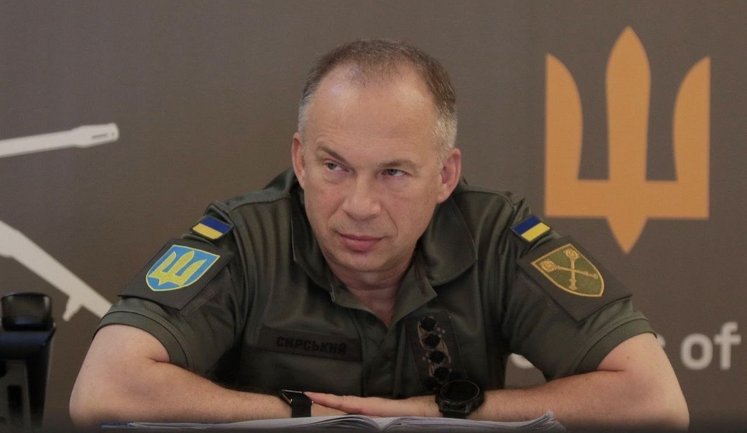
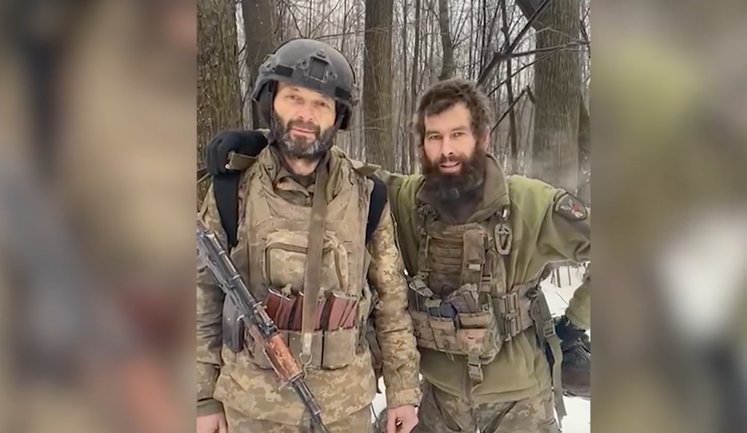
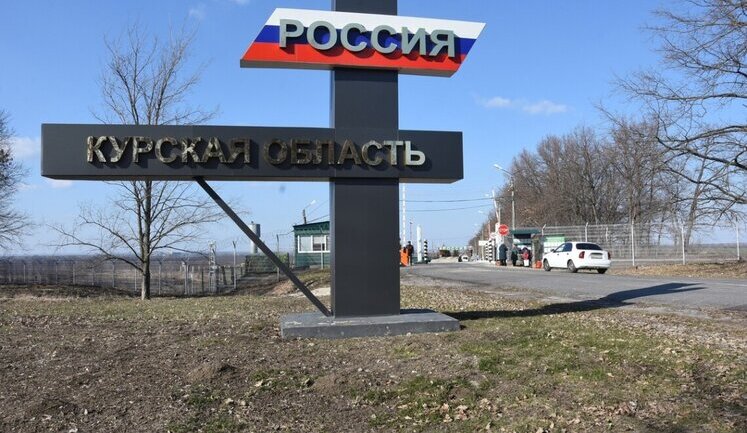
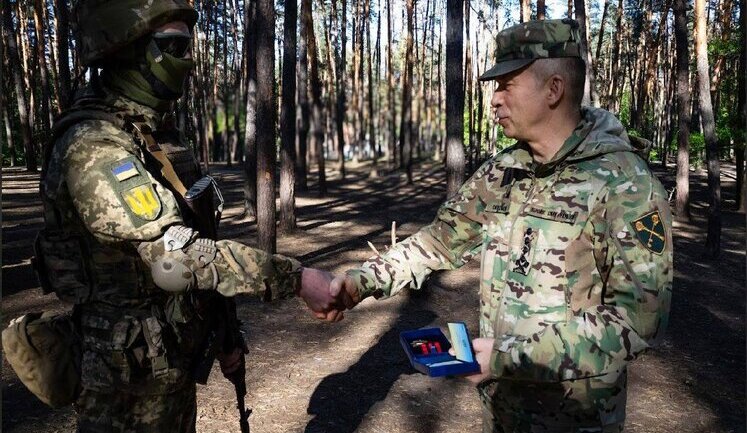
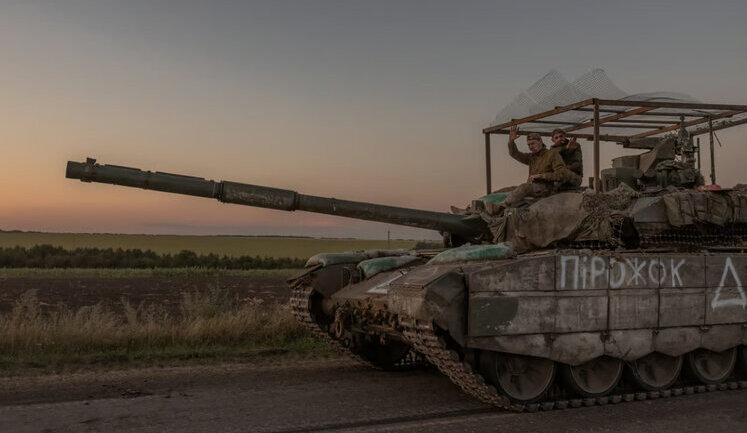
The Ukrainian Armed Forces (UAF) have strategically focused on the Kursk region, with Commander-in-Chief Oleksandr Syrskyi emphasizing its necessity. This operation has compelled Russia to redirect 70,000 troops, providing Ukraine's military time to regroup and counteract enemy plans. Ukrainian units have maintained control over certain positions on Russian territory, evidencing their strategic prowess. The "Steel Border" fighters exemplify resilience, having held positions for months without respite. On international fronts, President Zelenskyy's visit to military regiments underscores the operational significance and potential scaling of our forces. The course of these operations, though unforeseen by global intelligence, has achieved substantial goals, bolstering Ukraine's defense capabilities in ongoing geopolitical tensions.
What was the main objective of the UAF operation in the Kursk region?
The primary objective of the UAF operation in the Kursk region was to force Russia to redeploy troops, providing strategic advantage and allowing Ukrainian forces to regroup. This maneuver thwarted several enemy plans, achieving significant military objectives against Russian advancements.
How did Commander Syrskyi justify the Kursk operation?
Commander Oleksandr Syrskyi viewed the Kursk operation as a critical and successful maneuver. He highlighted that it disrupted Russian military plans and forced them to redeploy around 70,000 troops, granting the Ukrainian Armed Forces valuable time to reorganize their positions.
What role did the "Steel Border" unit play in the Kursk operation?
The "Steel Border" unit played an essential role in maintaining strategic positions near Kursk for several months. Known for their durability, the fighters from this unit significantly contributed to the UAF's efforts in executing long-term operational objectives in the region.
How has the UAF's presence affected Russian military strategies in Kursk?
The UAF's strategic operations in Kursk have significantly impacted Russian military strategies by forcing troop redepositions and thwarting planned offensives. This disruption provided Ukraine with strategic advantages and highlighted the effectiveness of Ukrainian defense capabilities amid ongoing hostilities.
What was President Zelenskyy's involvement with the military operations in Kursk?
President Volodymyr Zelenskyy has been actively involved in the overarching strategy and morale of Ukrainian defense operations, including the Kursk region. His visit to the 225th Separate Assault Regiment in Sumy and potential scaling of military brigades underpins Ukraine's commitment to an assertive defense policy.
Did global intelligence foresee the Kursk operation?
The Kursk operation was not anticipated by the world's intelligence agencies, making it an unexpected and strategic move by Ukraine. This element of surprise allowed the UAF to execute their operations effectively, challenging Russian expectations and strategies in the region.
How are Ukraine's military operations progressing in Kursk and Belgorod regions?
Ukrainian military operations in the Kursk and Belgorod regions are characterized by strategic control and disruption of Russian plans. Ukrainian forces maintain presence and control over certain areas as they continue to advance defense strategies despite geopolitical complexities and challenges in these regions.
What were the challenges faced by UAF in Kursk?
The UAF faced logistical challenges and threats of encirclement by Russian forces in Kursk. Despite these obstacles, Ukrainian troops managed to maintain control over strategic positions, thanks to effective countermeasures and tactical maneuvers that have held enemy advances at bay.