



Bridges on Chongar were not blown up because of sabotage group of Russian Federation or wires damaged by mortar, - soldier Sestryvatovsky, who could not activate explosives. VIDEO
For more than a year, the investigation has not yet questioned the main witness to the events at Chonhar, even though the criminal proceedings were registered in April 2022. His name is also unknown to the general public.
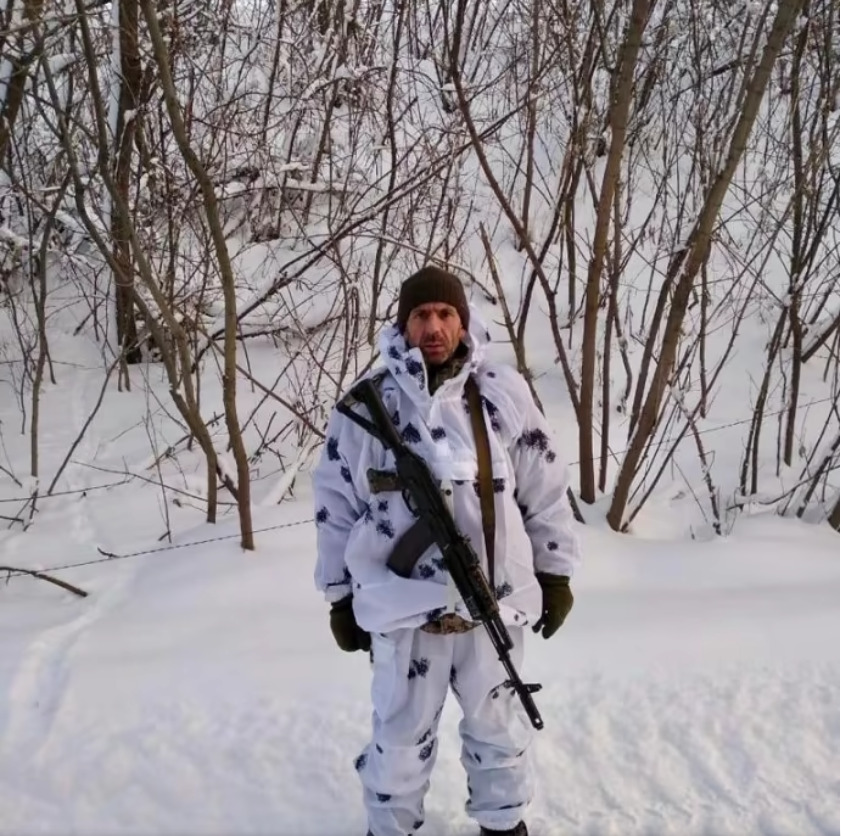
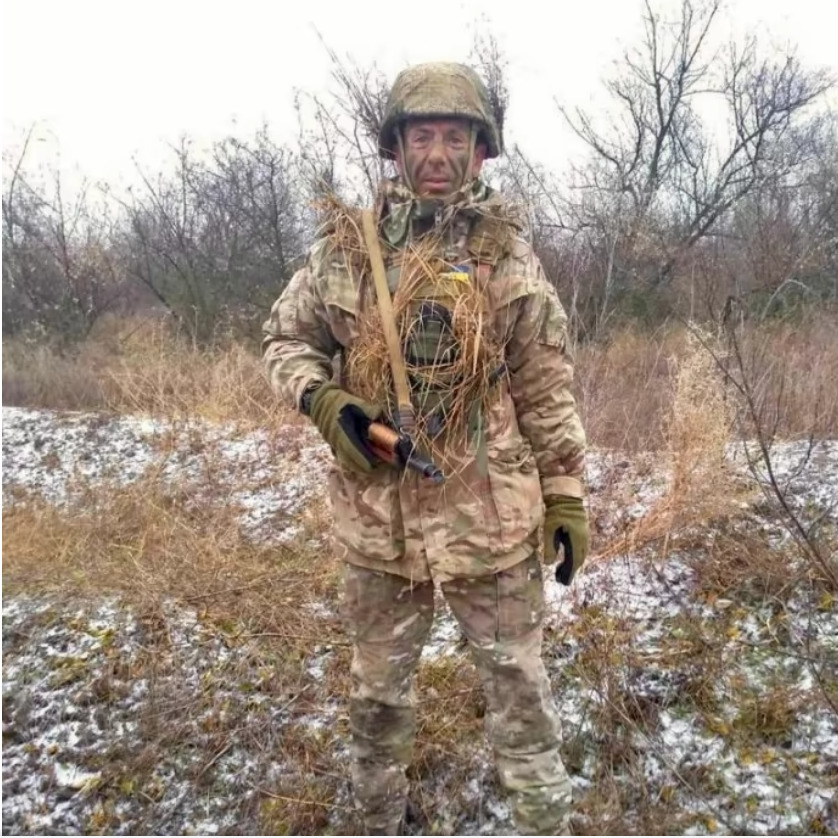
This is Ivan Sestryvatovsky, a 48-year-old soldier who served on the border with Crimea. He was the one who was supposed to blow up the bridges on the fateful night of 24 February, Censor.NET reports, citing UP.
In a conversation with UP, the man recalls whether Chonhar was mined, what happened there in the first hours of the great war, how he was left alone to blow up the bridges, and why it did not happen. He also recalls a long year of captivity and his return to Ukraine.
"I serve in the Marines, in the same 137th separate battalion, where I joined in 2016. I took part in the ATO and the Joint Forces Operation - I had three rotations in total, in the Donetsk direction. In the autumn of 2021, he began serving in Chongar. He held the position of platoon sergeant major, deputy platoon commander... But in early 2022, we were given instructions to step up surveillance of possible provocations on their part. In order not to intimidate anyone, and to keep a better watch... The fortifications at Chongar were not prepared specially. But everything there was mined in advance, back in 2014. All the bridges - there was a railway bridge, and two bridges from Chonhar - were mined," the Ukrainian defender said.
He also claims that these mines were inspected before the full-scale war.
"I may be wrong, but it was about a week and a half to two weeks later. There was a logbook where every time they came to inspect, they marked what was good, what was not good, what they did, whether everything was okay. There were no mines. Only the sappers knew how it was mined, only the people who mined and maintained these bridges. I personally knew where it was mined, I was instructed on how to connect it all. And I had to stay to blow it up," he recalls.
"The night of 23-24 February is still before my eyes. On the 23rd, there was already some movement of Russians on the peninsula. Everyone was waiting, nervous. No one slept, except for lying down. We got up around 3:00 am. Everyone was assigned to their positions.
I went with the commander, the senior position, to connect the devices to blow up the bridges. I stayed there, while he took care of the personnel. It all started with a mortar attack from Crimea. They were shelling our positions, the positions of the border guards. It was around 4:30 in the morning. The order to blow up the bridges was to be given to me by the immediate commander of the position, and he had to receive an order from the higher command. The sappers had developed a special plan: there were envelopes that could be opened if necessary, and those envelopes contained instructions on how to connect explosive devices. We made the connection, and I stayed to detonate.
There was no more communication, the radio stations were not working. The commander was dealing with the personnel, running to the positions to arrange everyone. Mines were already exploding, it was very loud - you couldn't shout at anyone. So I was actually acting on my own and made the decision to blow up personally," explains Sestrivatovskyi.
"When maybe 10 minutes passed after the shelling started, I decided to blow up the bridges. I tried to do it, but there was no explosion. I should have seen it. I was standing right next to the bridges, on the first line. I tried to reconnect and double-check the wires: maybe there was a mistake, something was connected incorrectly. I reconnected it, tried again. I did this three times, but there was no explosion. I'm not a sapper, but there are two options here. Either a sabotage group was planted, or the detonation wires were damaged by mortar fire. And then I was acting on orders - we had to move to other positions. It was agreed that if something happened if I didn't have time to evacuate, I would retreat in my car. That's what happened, I didn't have time to leave with everyone else.
That's why I was leaving in a car with two other conscripts. As we were leaving, shooting started. Then there was a grenade launcher shot in front of us, the car was blown to the side, and I was wounded," he adds.
"I saw the Russian tanks go first, then the air defense came in. I still had mobile phone service, so I contacted the company commander and reported to him. At first, we counted how many and what kind of vehicles were coming. On my part, I did everything I could. At about 4 pm on the same day, we were surrounded so that there was nowhere to go. And then we were taken prisoner," the soldier said.
Ivan Sestryvatovskyi returned from enemy captivity on 26 April.
"The official investigation has not yet contacted me. Military leaders have not yet spoken to me about this story either. Maybe it's just because I was in rehabilitation, undergoing a medical examination. Anyway, I will have to talk to them. My direct commander from Chongar was killed. Among the other witnesses of those events, there is one who is definitely alive, a sailor.
I was not awarded. And I don't think it's necessary. Only those who deserve it should be rewarded. My task was not fulfilled.
Why didn't the bridges blow up? I know the answer for myself. Either a sabotage group came from the other side, or the wires were damaged by a mortar. I have no other answer, and I am not looking for it," the soldier sums up.
It should be noted that the investigation, in this case, is being conducted by the State Bureau of Investigation together with the Security Service of Ukraine. The SBI, which is controlled by the Office of the President, has the main role.
The proceedings were registered under the articles "negligent attitude to military service" and "high treason". Law enforcers are investigating possible negligence on the part of the 'South' command. They say that it was the military who "failed to properly organize measures to mine structures (bridges, dams, etc.)".


