



Over 10,000 Russian soldiers have been captured during full-scale war, - Coordination Headquarters
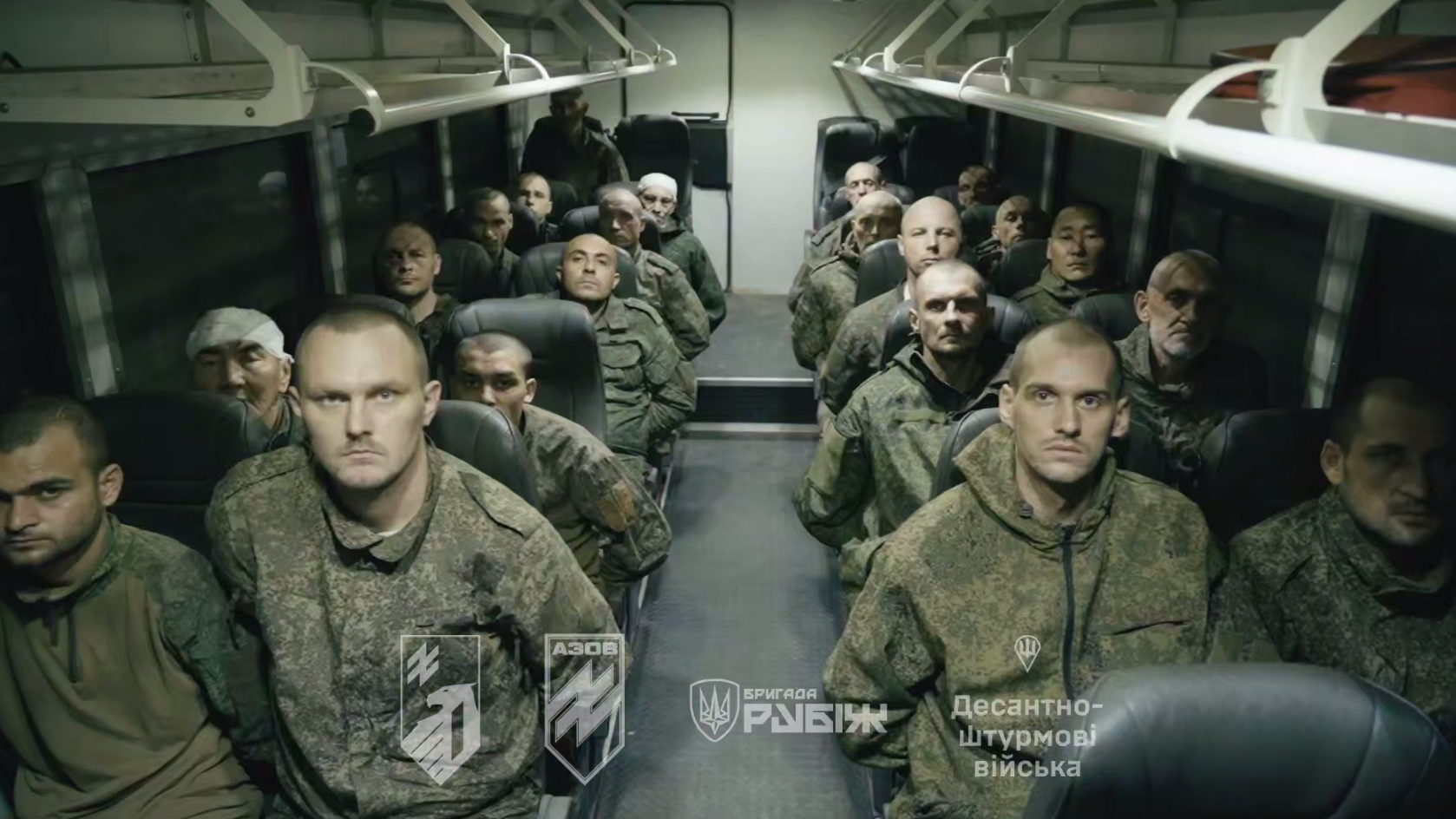
The ‘I Want to Live’ project has published comprehensive statistics for the first time on more than 10,000 Russian servicemen who were captured during the full-scale war against Ukraine. The data shows a sharp increase in the number of prisoners, an increase in the proportion of foreign mercenaries, and russia's refusal to engage in a large-scale exchange on the principle of "all for all."
According to Censor.NET, this was reported by the Coordination Headquarters for the Treatment of Prisoners of War.
The "I Want to Live" project has published comprehensive statistics for the first time on more than 10,000 Russian servicemen who were captured during the full-scale invasion.
"The number of Russians surrendering to captivity is growing every year. In less than a year in 2025, more Russian soldiers were captured than in 2022 and 2023 combined. On average, 60 to 90 Russian military personnel surrender each week, and in August 2024, this figure reached 350 people per week. Since June 2023, Russian soldiers have been captured more often than Ukrainian soldiers in Russian captivity," the report says.
Where most of the occupiers were captured
Most prisoners were captured in the Pokrovsk and Bakhmut districts of Donetsk Oblast, Kursk Region, and Polohivskyi District of Zaporizhzhia Oblast.
In 2025, the number of foreign mercenaries in captivity increased sharply. Every week, 2–3 prisoners are found to be recruited citizens of third countries. In total, almost 7% of all Russian POWs in Ukraine are foreigners from 40 countries around the world.
A typical Russian POW is:
- 83% – privates.
- 13% - sergeants.
- Almost 3% - officers.
- Age - from 18 to 65 years.
- About 76% - contract soldiers (including those recruited in prisons and PMC).
- 19% - mobilised.
- Almost 5% - conscripts.
24% of prisoners reported coercion or deception. 40% have criminal records, most often for theft, drugs, robbery and assault, grievous bodily harm and murder.
Level of education of captured occupiers
Only 7% have higher education, while 30% have not even finished school. Before the war, 38% were unemployed. Almost half have children, including 8% who have three or more.
Hundreds of people were captured with serious chronic diseases, including HIV/AIDS, tuberculosis, diabetes and mental disorders.
As part of the exchanges, just over 6,000 prisoners of war were returned to russia in exchange for Ukrainian defenders, more than half of them in 2025.
At least 237 former Russian prisoners are known to have died or gone missing after being exchanged and sent back to the front. Four Russian soldiers are currently being held captive for the second time.
Who Russia exchanges first
Russia primarily releases ethnic Russians who are not seriously injured and have been held captive for a short period of time. It does not request the release of foreign mercenaries for exchange.
"Thousands of Russian prisoners of war, including the wounded, sick and conscripts, remain in Ukraine. For the fourth year in a row, Russia has refused to exchange prisoners on an 'all for all' basis," the Coordination Headquarters reported.


