



Kyiv ordered mini power plants in 2024, but nothing has been heard about them since then, - media
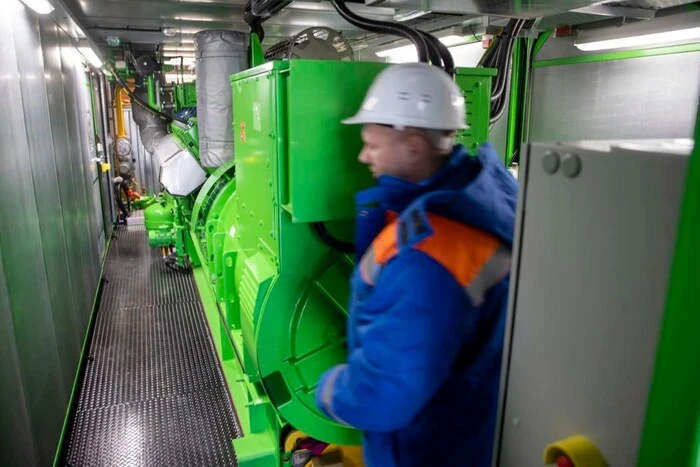
In 2024, Kyiv held a tender for the purchase of 15 sets of new cogeneration units worth over UAH 1 billion, but nothing has been heard about them yet.
This is stated in an article by Texty.org, as reported by Censor.NET.
Cogeneration plants
These are compact mini power plants that can simultaneously generate electricity and heat from fuel, mainly natural gas.
They can provide backup power even when large power systems fail. They can even be hidden underground.
Back in November 2024, the first 1.5 MW cogeneration gas piston plant appeared in the capital. The equipment was installed with the help of USAID and the Energy Security Project.
Energy recovery
In May 2024, the Kyiv City Council approved the concept of "Energy Recovery: The Path to Distributed Cogeneration." It involved the development of local sources of combined heat and power production in the capital and the wider use of alternative energy sources.
In the same year, Kyivteploenergo selected a Slovak company as the winner of a tender for the purchase of 15 sets of new cogeneration units with a total capacity of 60.5 MW.
The expected cost was UAH 1.2 billion. All equipment was planned to be delivered by the end of 2025. The city was to make a 30% prepayment, with the remaining 70% to be paid after notification of readiness for shipment.
The authors of the article note that if these units had been connected in the most important areas, the situation would not be as critical as it is today in some districts of the capital, particularly on the left bank.
Silence
Last autumn, the media reported that they were supposed to be installed by the end of 2025, but that was almost all.
Journalists sent a request to the КCSA regarding the future of the installations and are still waiting for a response.
"Kyiv could afford to have many more such installations. Yes, they take a long time to build and are difficult to install. But it seems that there have been no attempts to prepare the city's energy infrastructure for entirely predictable shelling and to create a network of small alternative energy sources.
And the city authorities did not and do not have even a rough understanding of the priority of spending in the capital.
Of course, 1 billion hryvnia is a lot of money. But the city has the resources to provide itself with significantly more distributed generation than 60 MW. And this is not just about redirecting funds from some 'fateful' and 'eternal' projects such as ‘the metro to Vynohradar," the authors write.
They note that at the end of 2024, there were significant funds remaining in the capital's budget — almost 13 billion hryvnia. If these funds were directed towards the construction of new distributed capacity, they would cover approximately half of the city's electricity needs.
The publication concludes that local authorities (especially in cities with large budgets), as well as the government and the president, who shapes personnel policy and the government's course of action, are equally responsible for the lack of preparation for Russian strikes, which caused blackouts in Kyiv and other Ukrainian cities.


