



Putin won’t stop at Donbas: he’ll try to capture Dnipro and Kharkiv, - Zelenskyy
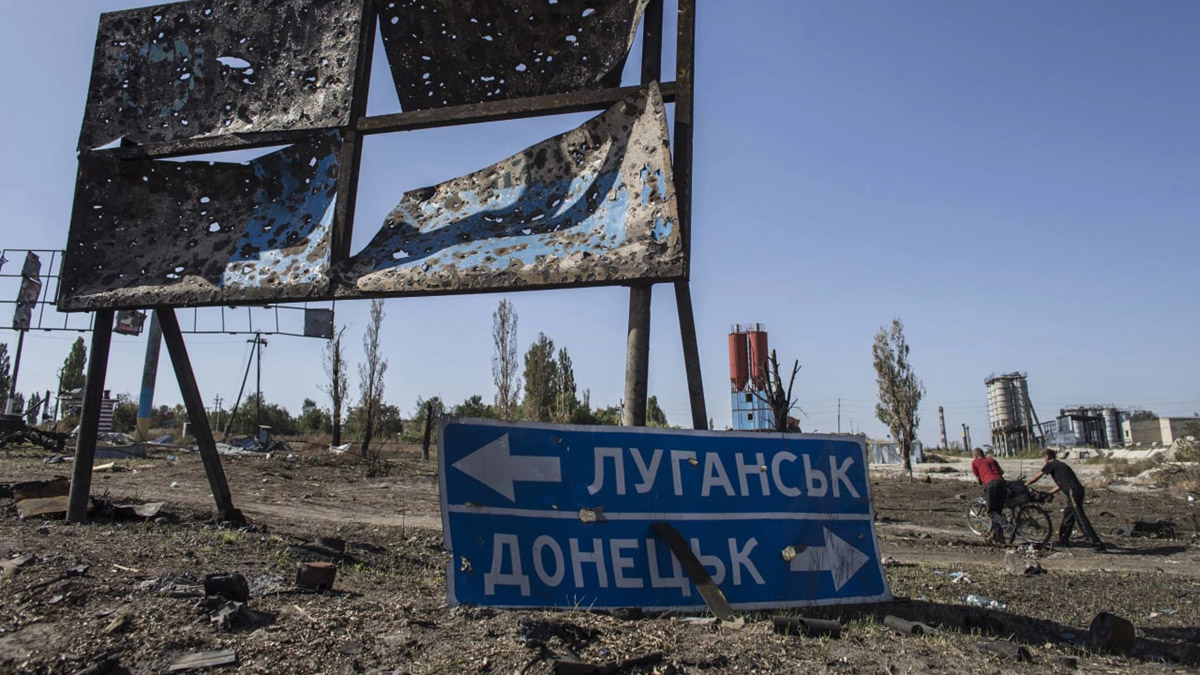
Russian dictator Vladimir Putin will not stop at Donbas. The Russian army may attempt to capture major Ukrainian cities, including Dnipro and Kharkiv.
According to Censor.NET, citing The Guardian, Ukrainian President Volodymyr Zelenskyy made this statement on Alistair Campbell’s podcast The Rest is Politics.
He stressed that the Russian dictator will not stop even if he establishes full control over the Donbas and may continue his offensive against other major cities. According to him, Dnipro and Kharkiv could be Russia’s next targets.
Zelenskyy also stressed that some in the American political establishment underestimate the importance of Donbas for Ukraine. He noted that in the U.S., there is a perception that this territory is not critically important, and at the same time, there is speculation about the possibility of reaching agreements with the Kremlin.
"We have to admit that some Americans believe the Donbas means nothing to us. They don’t want to acknowledge that Putin will deceive them and that he may continue the occupation even after such steps. Americans are convinced they can trust Putin," Zelenskyy added.
At the same time, the Ukrainian president warned that such approaches are misguided because, in his view, Putin could take advantage of the situation and continue his aggression even after potential concessions.
Background
- Ukrainian President Volodymyr Zelenskyy told Reuters that the United States had linked its proposal on security guarantees to the condition that Kyiv cede the whole of Donbas to Russia.
- At the same time, US Secretary of State Marco Rubio called false President Volodymyr Zelenskyy’s claim that Washington was ready to provide security guarantees in exchange for the withdrawal of the AFU from Donbas.
- The day before, Russia also said that Ukraine had to withdraw its troops from the parts of Donetsk and Luhansk regions still under its control "as early as today."


