



EU has launched procedure to approve €90 billion for Ukraine and 20th package of sanctions against Russia
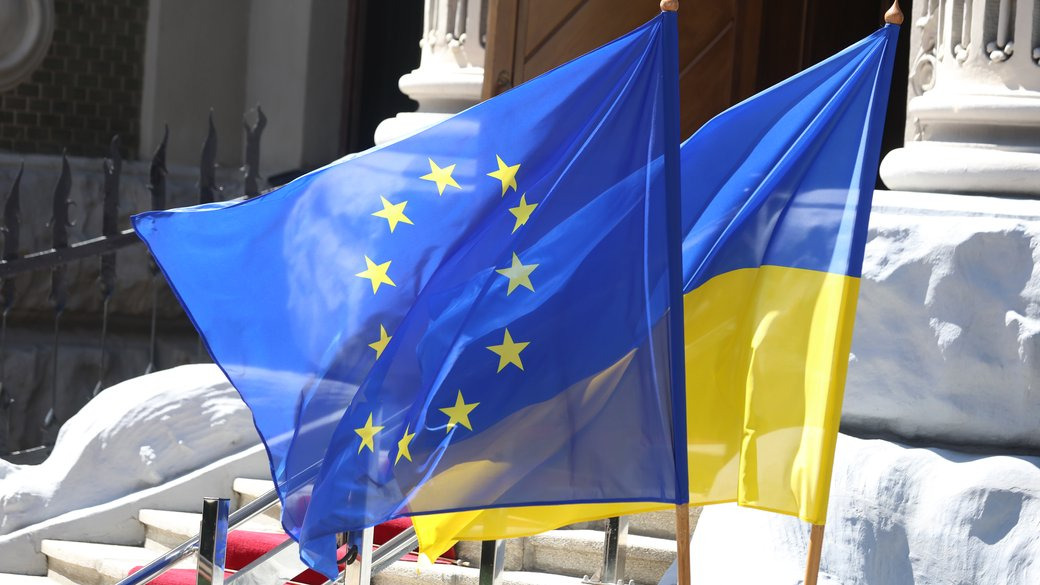
EU ambassadors have launched a written procedure to approve a €90 billion loan for Ukraine and the 20th package of EU sanctions against Russia, which will run until 23 April.
According to Censor.NET, three EU diplomats in Brussels told "European Truth" about this on condition of anonymity.
What is known
It is noted that both decisions received political approval from EU ambassadors – unanimously.
The written procedure means that the ambassadors of all 27 EU member states must sign the document or justify their refusal to adopt it.
It is reported that the written procedure launched to adopt amendments to the EU’s long-term budget for 2021–27 and the 20th package of EU sanctions against Russia will last 24 hours – until 12 noon on 23 April (13:00 Kyiv time).
It is also noted that the written procedure may conclude before the set deadline if all member states provide their signatures.
The completion of the written procedure will signify the final adoption of the decisions.
Russian oil
According to the publication, Hungary and Slovakia will wait until Russian oil physically arrives on their territory via the repaired Druzhba pipeline – so the final adoption of the decisions is not expected until the morning of Thursday, 23 April.
What led up to this?
- It was previously reported that the European Commission had postponed the disbursement of the first tranche under the €90 billion loan programme for Ukraine.
- Slovakia’s Foreign Minister stated that his country was prepared to oppose the European Union’s new package of sanctions against Russia, but would not block financial aid to Ukraine.
-
On 22 April, EU ambassadors will consider an amendment to the EU budget for 2021–2027, which opens the possibility of providing Ukraine with a loan of €90 billion.
- EU Foreign Affairs Chief Kaja Kallas stated that following the fall of the Orbán government, the EU has a chance to adopt decisions previously blocked by Hungary.


