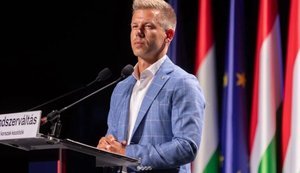
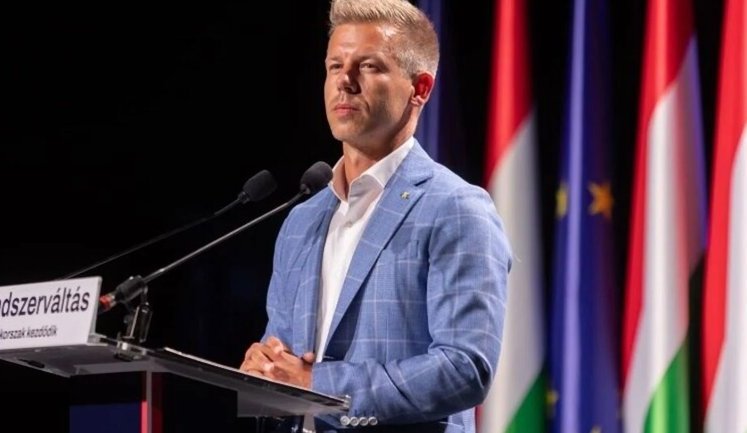
The European Union faces an impasse over a €90 billion loan intended for Ukraine, obstructed by Hungary under Viktor Orbán's leadership. Scheduled talks on April 22 highlight attempts to amend the 2021-2027 EU budget, potentially unlocking much-needed funds for Ukraine's military aviation expansion. Slovakia supports the loan despite opposing sanctions on Russia, while Hungary's incoming Prime Minister Péter Magyar anticipates progress once Druzhba oil supplies renew. European Commission delays in the first tranche, and Cyprus maneuvers for disbursement after Orbán's electoral defeat, exacerbate tensions. EU High Representative, Kaja Kallas, assures ongoing efforts, despite challenges. Zelenskyy's pursuit of alternative funding underscores Ukraine's urgent financial predicament amid looming winter preparations and geopolitical hurdles.
What is the European Union's stance on the loan to Ukraine?
The European Union is working to approve a €90 billion loan for Ukraine. Despite Hungary's current blockade, many EU members remain committed to providing financial aid to support Ukraine’s military and infrastructure needs. Talks to amend the EU budget for 2021-2027 are ongoing, indicating a strong EU determination to assist Ukraine.
Why is Hungary blocking the European Union loan to Ukraine?
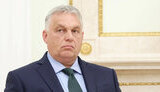
Hungarian Prime Minister Viktor Orbán has been resisting the approval of the €90 billion loan for Ukraine, asserting national interests and policy directions as reasons. This action is part of a broader geopolitical stance and ongoing tensions within the EU regarding financial support to Ukraine and sanctions against Russia.
What are the potential consequences of the loan being blocked?
If the €90 billion European Union loan remains blocked, Ukraine could face significant impacts on its military capabilities and overall economy. President Zelenskyy has expressed concern about Ukraine’s ability to prepare adequately for winter, suggesting that alternative funding solutions may be necessary if EU funds remain inaccessible.
How is Slovakia involved with the EU loan to Ukraine?
Slovakia supports the loan to Ukraine, differing from its stance on EU sanctions against Russia. The Slovak government has publicly stated that it would not obstruct financial aid to Ukraine, showcasing a divergence within EU nations on how to handle economic intervention related to the ongoing conflict.
What alternatives is Ukraine considering if the EU loan is blocked?
In light of potential prolonged blockade of the EU loan by Hungary, President Zelenskyy is exploring alternative financial solutions for Ukraine. This may include seeking bilateral funding agreements or support from international institutions to bridge the financial gap, ensuring essential economic stability and defense readiness.
What role does Cyprus play in the EU loan negotiations?
Cyprus, currently holding the European Council presidency, is proactively working to secure the €90 billion EU loan for Ukraine. The Cypriot government plans to finalize the allocation following Hungary’s Prime Minister Orbán's electoral defeat, demonstrating a strategic move within EU diplomacy to counteract vetoes and expedite financial aid.
What statements have been made by other EU leaders about the loan?
EU leaders such as French Foreign Minister Jean-Noël Barrot have indicated robust support for providing the €90 billion loan to Ukraine, even if Hungary continues its blockade. The bloc's commitment underlines a collective endeavor to navigate diplomatic challenges and ensure fiscal support to counteract Russian aggression.
What legislative actions are linked to securing the EU loan for Ukraine?
The European Commission has proposed passing an array of laws, specifically a package of 11 envisaged under the Ukraine Plan, to potentially secure €4 billion in alternative funding. This underscores a legislative approach in Ukraine’s strategic planning to assure essential monetary assistance amid uncertain EU backing.