



Man with broken ribs was held at TCR in Mykolaiv for 18 days, - Lubinets
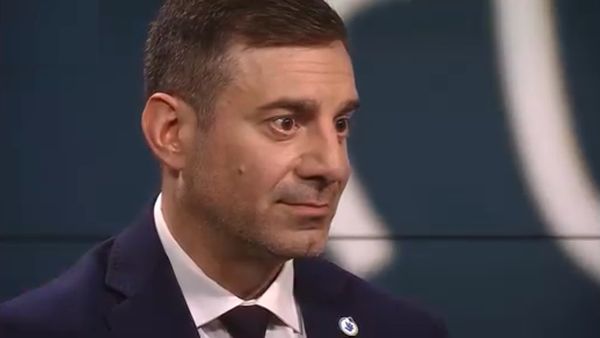
Dmytro Lubinets, the Ukrainian Parliament’s Commissioner for Human Rights, spoke of systematic violations of citizens’ rights during mobilization and cited several cases uncovered by representatives of his office during monitoring visits.
According to Censor.NET, Lubinets made these remarks during a press conference.
A man with broken ribs was not released from the TCR
According to the ombudsman, representatives of his office in Mykolaiv verified information about a man who had been detained and severely beaten.
During the investigation, it was discovered that he had spent 18 days at the Mykolaiv TCR and SS. At the time, the man already held the status of an active-duty servicemember.
According to Lubinets, officials at the TCR explained that they had not sent him to his military unit because they were waiting for his ribs—which he had broken during mobilization—to heal. At the same time, they had documents from the military medical commission confirming his fitness for service.
The Ombudsman cited other cases
Lubinets also reported that dozens of people were found in Zakarpattia who were being held without proper legal grounds. One of the men had been detained for nearly 50 days. In addition, among those detained was a demobilized combat veteran who held a combat veteran ID card.
Another case was documented in the Ternopil region, where a man with a number of serious diseases was mobilized. Two days after being sent to the training ground, he was hospitalized with a hypertensive crisis.
During another monitoring visit, representatives of the Ombudsman discovered a mobilized man with HIV at the training ground who was assigned to kitchen duty, even though, according to Lubinets, his medical records indicated otherwise.
The number of complaints has increased 333-fold
The Ombudsman reported that since 2022, the number of complaints regarding violations of citizens’ rights during mobilization has increased 333-fold.
According to him, law enforcement agencies have already opened dozens of criminal investigations into possible violations.


