



Russia is waging campaign against Ukraine that combines massive strikes, sabotage, and attempts at political destabilization, - The Economist
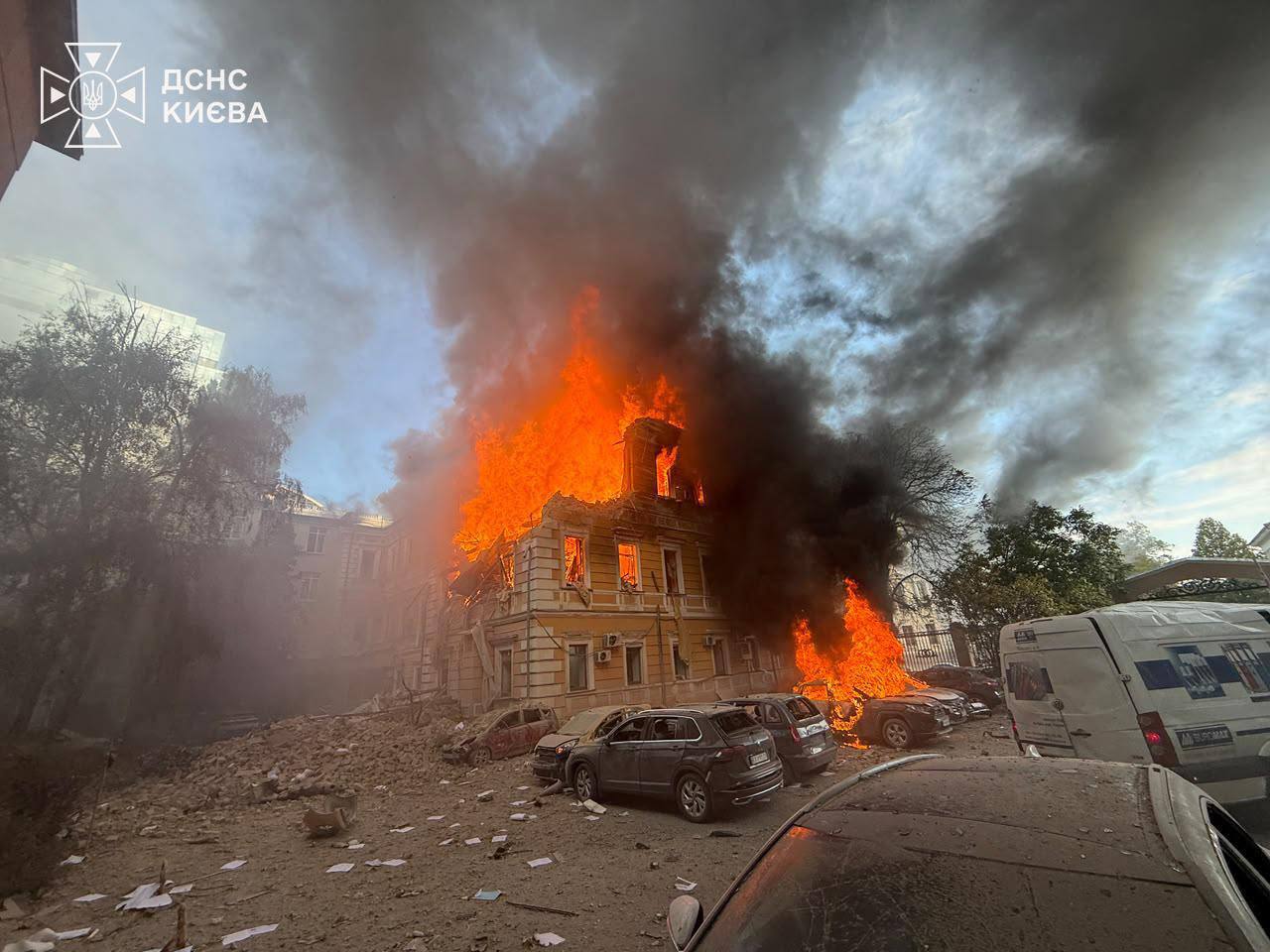
Russia is preparing to intensify its attacks on Kyiv, combining massive strikes, sabotage, and attempts at political destabilization.
This is reported in an article by The Economist, as cited by Censor.NET.
The attacks may intensify even before winter
A few days before the latest wave of attacks, two high-ranking Ukrainian officials told the publication that intelligence agencies had identified three main directions in Russia’s campaign against the capital: bombing, sabotage, and attempts to sow political chaos.
One of the sources named data centers and supermarkets among the immediate targets. According to him, Russia wants to attack not only critical infrastructure but also facilities on which the daily lives of Kyiv residents depend.
This campaign is expected to intensify even before winter. According to Ukrainian officials, attempts to destabilize Kyiv could peak by November.
Russia also continues to target the energy sector, water supply, and sewage systems, particularly pumping stations. Ballistic missiles, which are difficult to intercept, remain a separate threat.
At the same time, the publication reports on the widespread use of a new generation of inexpensive, operator-controlled jet drones. They are capable of searching for targets in real time.
One security official stated that Russia has stockpiled "thousands" of such drones and is also increasing its stockpile of ballistic missiles. According to him, Moscow plans to use these stockpiles over the next two months.
Sabotage and information pressure
The publication notes that Ukrainian officials expect an increase in hybrid attacks within the country.
According to Ukrainian counterintelligence, seven to eight Russian operations are thwarted each week. Most of them are organized remotely, with operatives in Ukraine being recruited via messaging apps, particularly Telegram channels. Some agents may be dispatched directly from Russia.
The third prong of the campaign involves disinformation and attempts to sow political chaos. Andrii Kovalenko, who until recently headed the CCD, is skeptical about Moscow’s ability to achieve this goal.
At the same time, Kyiv is preparing for a difficult winter. Over the years of full-scale war, the capital’s infrastructure has become more resilient to attacks. The internet system is sufficiently decentralized, and repair crews have experience quickly restoring damaged facilities.
According to the publication, some residents are considering temporarily leaving Kyiv. Officials have also privately acknowledged that parts of the city could become noticeably emptier this winter, notes The Economist.


