


Underground operation "Veles": "Khartiia" explains how fighters were trained
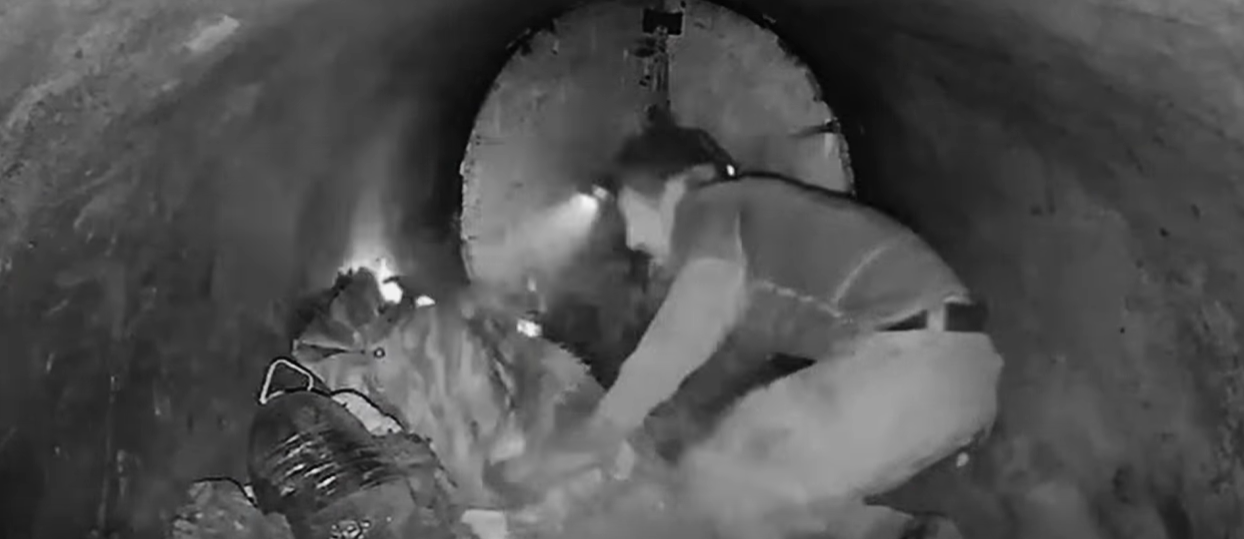
"Khartiia" fighters were specifically trained—both physically and psychologically—to engage in combat in confined spaces. During Operation "Veles," they covered more than 15 km through underground tunnels in the Kupiansk sector.
This was reported by the Corps, according to Censor.NET.
Details
They noted that tunnels have been used in wars from Vietnam to Gaza, but exclusively for defense, concealment, or localized sabotage.
Russian occupiers near Avdiivka used underground tunnels for "meat" infantry infiltrations.
In "Khartiia," underground infrastructure was integrated into a unified technological space: navigation, specialized communications, silent logistics, and a synchronized air strike by drones from the "Achilles" brigade.
"The Russians believed that underground tunnels were their exclusive tool for bypassing our defenses. We studied their experience, outmaneuvered them on their own turf, and turned this threat into our counteroffensive advantage," says Brigadier General Ihor Obolenskyi, commander of the 2nd Corps of the National Guard of Ukraine "Khartiia."
"Khartiia" soldiers traversed more than 15 km of underground tunnels.
Underground, there is no GPS, no stable radio communication, and no daylight, and every time they emerged to the surface, they faced combat in the most challenging conditions.
In coordination with the underground offensive, the corps’ units advanced on the surface—thus, the enemy found itself under attack from two directions simultaneously.
Underground warfare
The fighters were trained for operations in confined spaces—both physically and psychologically. Sappers, engineers, and a support battalion were deployed to set up the route.
Proprietary technological solutions were also employed for communications, navigation, and life support underground.
The underground offensive was coordinated with operations on the surface and drone fire—specifically through a joint coordination center with the USF "Achilles" brigade.
The operation was carried out by a task force under the command of the headquarters of the 2nd Corps of the National Guard of Ukraine, "Khartiia." It consisted of:
- 13th Brigade of the National Guard of Ukraine "Khartiia";
- units of the DIU, including the "Freedom of Russia" Legion and the RDK;
- the 23rd Assault Regiment "R.U.G"; the 21st Unmanned Systems Regiment "Lava";
- the 429th Unmanned Systems Brigade "Achilles";
- other units of the Ukrainian Defense Forces.
Why "Veles"?
The operation was named after Veles—the god of the underworld in Slavic mythology. According to a popular cultural conception, the world had three levels: the heavenly Prav, the earthly Yav, and the underground Nav. Veles ruled over Nav—the realm beneath the earth, hidden from view. He was also considered the god of wisdom, cunning, and wealth.
Background
- Earlier, the 2nd Corps of the Ukrainian National Guard, "Khartiia," released the first footage of the "Veles" underground operation, which it is conducting alongside other units of the Defense Forces.
- Later, the National Guard’s "Khartiia" Corps provided details on the "Veles" underground counteroffensive operation, during which the Defense Forces managed to advance more than 15 km through underground tunnels into enemy rear areas in the Kupiansk sector.


