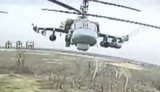
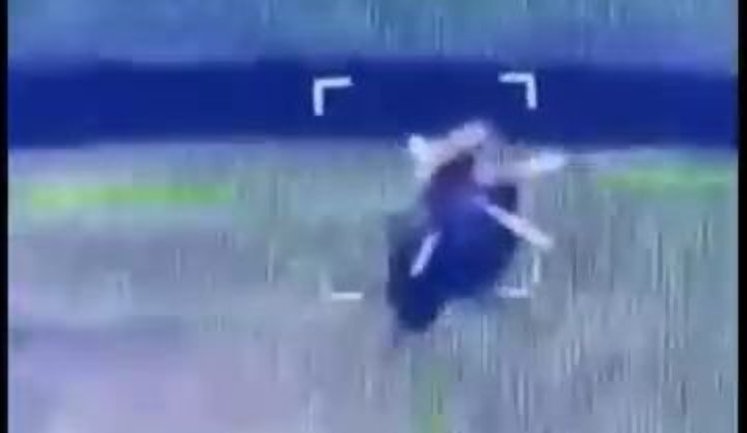
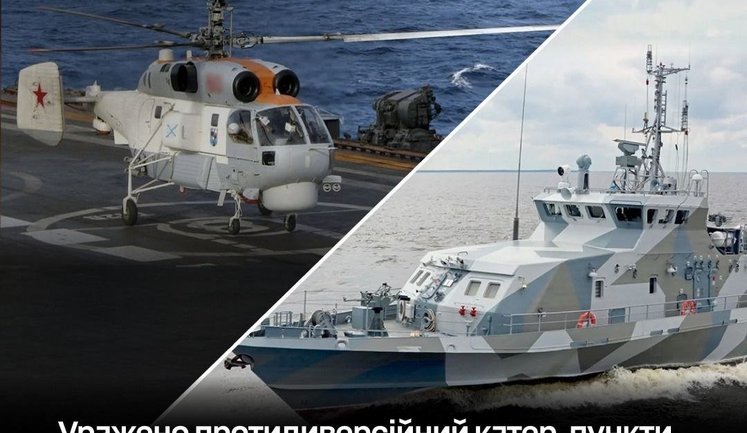
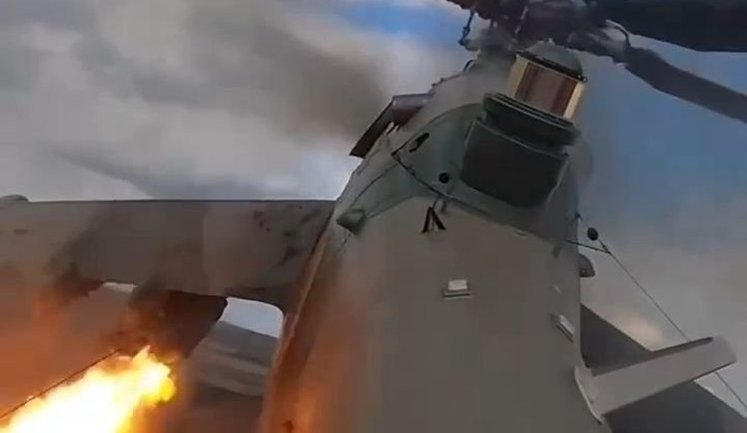
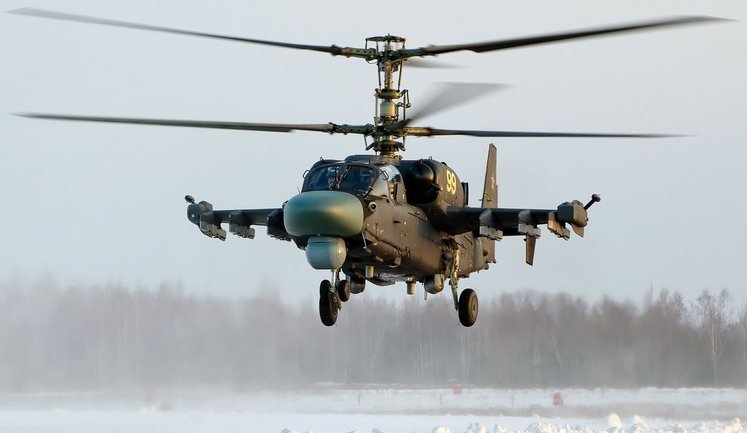
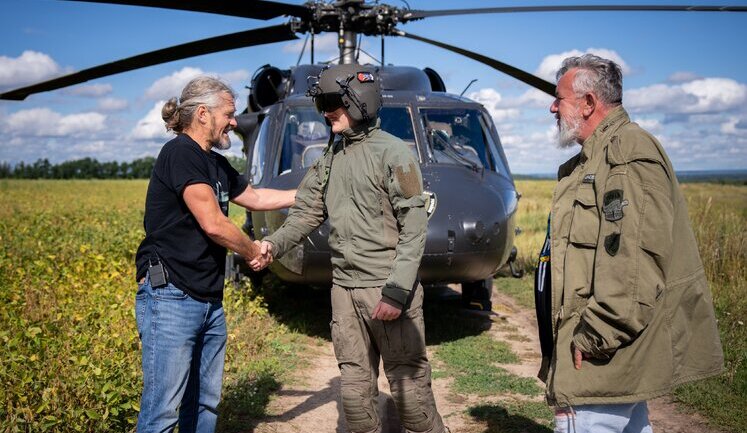
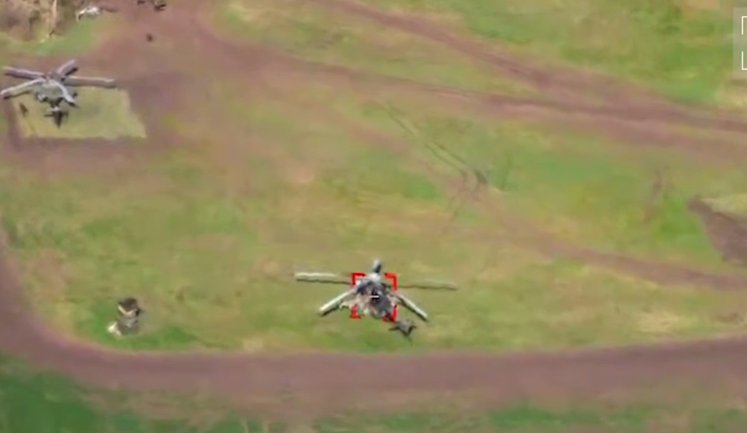
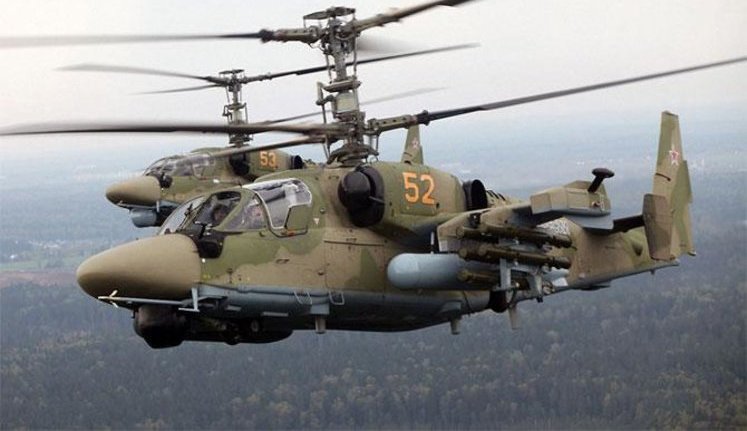
Recent developments in Ukraine's defense strategies have highlighted the significant role of military helicopters. The Ukrainian Army Aviation has employed helicopters like the Mi-24 and Mi-8 to strike enemy positions effectively. On multiple occasions, these helicopters have targeted Russian military assets, including UAVs and helicopters, showcasing their versatility and impact. The Ukrainian Navy also played a pivotal role, destroying enemy helicopters such as the Ka-27 in strategic operations over the Black Sea. These operations underscore the critical importance of helicopter units in modern military aerial combat, aiding ground troops and disrupting enemy advancements.
What role do helicopters play in Ukraine's military strategy?
Helicopters are crucial in Ukraine's military strategy, providing air support, striking enemy positions, and enhancing the effectiveness of ground operations. They enable agile attacks on enemy troops and military equipment, often disrupting logistics and command structures. Recent actions show their success in countering Russian advancements.
Which helicopter models are primarily used by the Ukrainian forces?
The Ukrainian forces primarily use models such as the Mi-24, Mi-28, and Mi-8 helicopters. These models are known for their attack capabilities and adaptability in various combat situations, playing key roles in executing tactical strikes against enemy targets and providing support during ground operations.
How effective are helicopters in combating enemy drones?
Helicopters have proven highly effective in combating enemy drones. Equipped with strategic weaponry, their agility allows them to intercept and destroy drones mid-air. This anti-drone tactic has significantly reduced enemy drone threats, safeguarding operational troops and resources on the ground.
What impact have Ukrainian helicopters had on Russian military assets?
Ukrainian helicopters have significantly impacted Russian military assets by executing precise strikes on key targets, including UAV control points and enemy helicopters. This ongoing strategy of targeting critical assets causes operational disruptions, inflicts logistical challenges, and lowers enemy morale.
How have Ukrainian forces innovatively used helicopters in recent conflicts?
Ukrainian forces have employed helicopters innovatively by integrating them into multi-faceted military operations, such as using them for direct combat roles and supporting intelligence gathering. This approach ensures versatile deployment, allowing rapid response to enemy movements and adapting to complex combat scenarios.