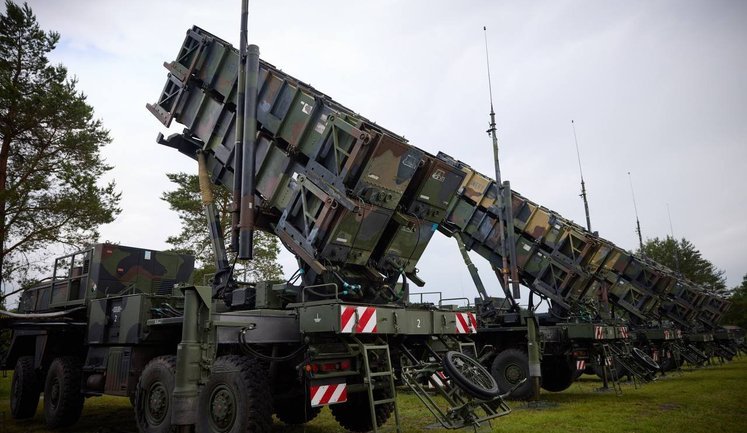
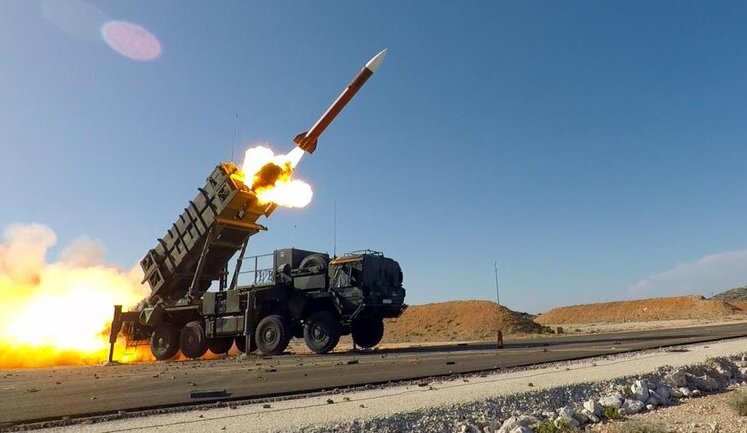
Ukraine's call for an increased supply of Patriot missiles highlights the critical role these interceptors play in the nation's defense strategy amid the ongoing conflict. President Zelenskyy has expressed willingness to halt strikes on Russian oil refineries in exchange for a steady supply of these crucial systems. With a U.S.-approved $2.1 billion sale of 500 PAC-3 MSE missiles, deliveries are anticipated post-2030, although supplies from the U.S. and European allies, including a potential transfer of licenses for production, remain a hot topic. Allies continue to navigate political pressures and logistical hurdles to fulfill Ukraine's defense needs.
Why is Ukraine requesting more Patriot missiles?
Ukraine is requesting more Patriot missiles to bolster its air defense capabilities against Russian missile strikes. President Zelenskyy emphasized their crucial role in protecting Ukrainian infrastructure and citizens, especially as the conflict continues to threaten national security. The government sees these systems as vital for surviving the winter months and maintaining territorial integrity.
What is the significance of the U.S. arms deal involving Patriot missiles?
The $2.1 billion U.S. arms deal involving Patriot missiles represents a significant boost to Ukraine's defensive capabilities. Approved by the U.S. State Department, it underscores the strong military support Ukraine receives from its Western allies. Such deals not only strengthen Ukraine's defense but also reflect international solidarity against Russian aggression.
How are European countries involved in supplying Patriot missiles?
European countries contribute to Ukraine's missile supplies through financial and logistical support. The European Union has allocated funds for missile purchases, and individual countries like Germany have expressed willingness to deliver interceptor missiles from national stockpiles. This European involvement is crucial in ensuring Ukraine receives timely and adequate defense resources.
What challenges exist in delivering Patriot missiles to Ukraine?
The delivery of Patriot missiles to Ukraine faces several challenges, including political negotiations, logistical constraints, and production delays. Both the U.S. and European allies must navigate diplomatic tensions, especially with nations reluctant to compromise their own defense capabilities. Additionally, production rates and export licensing negotiations add complexity to fulfilling Ukraine's urgent needs.
How are political dynamics influencing the delivery of Patriot missiles?
Political dynamics play a crucial role in the delivery of Patriot missiles to Ukraine. Relations between the U.S., Europe, and Ukraine influence agreements and commitments for military support. Factors like internal politics, international alliances, and strategic interests impact decision-making processes, sometimes leading to delays or adjustments in the allocation of vital defense resources.
What is President Zelenskyy's stance on the missile supply negotiations?
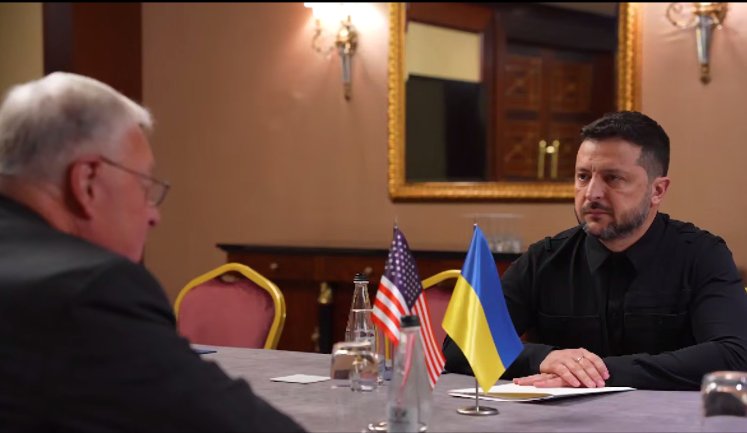
President Zelenskyy is actively advocating for increased missile supplies, negotiating with the U.S. and European countries for more robust support. He emphasizes the urgency of Ukraine's need for reliable air defense amidst the ongoing conflict with Russia. His administration seeks to leverage diplomatic ties to secure necessary agreements and funding for these crucial defense systems.