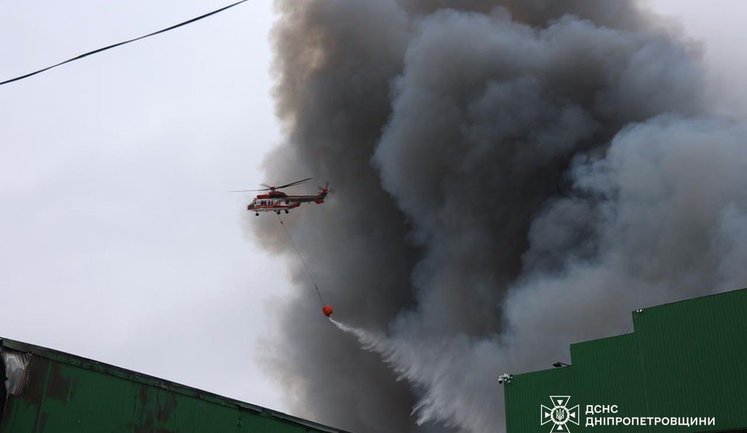
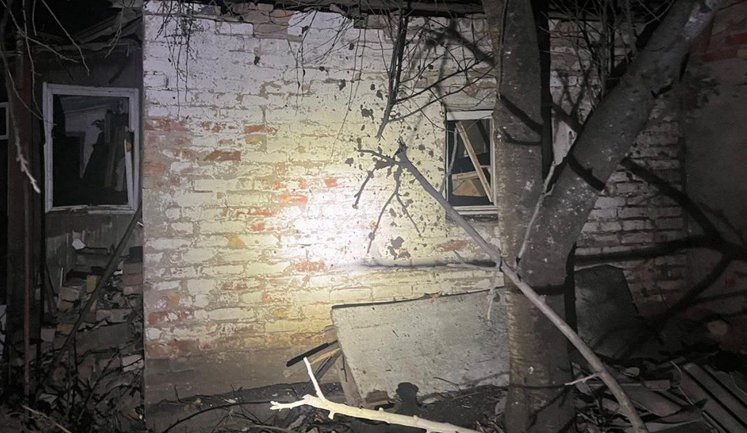
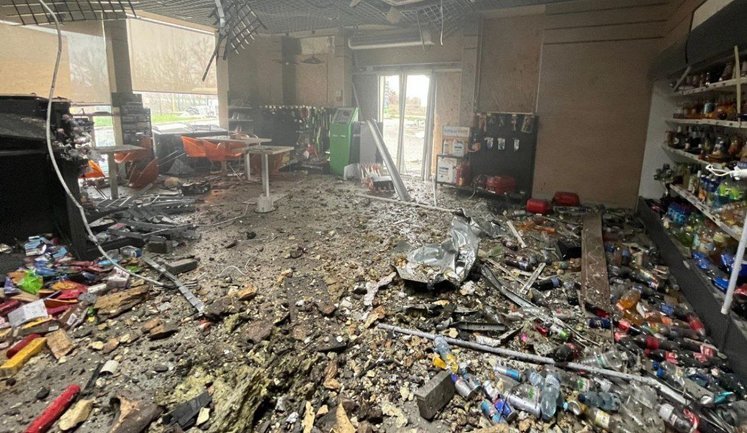
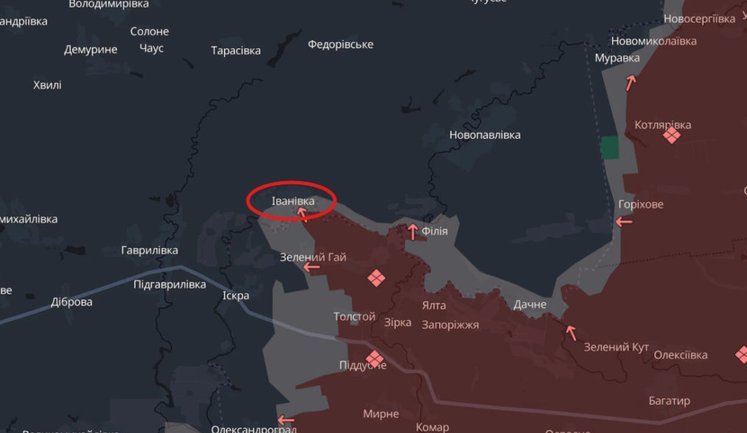
The Dnipropetrovsk region in Ukraine continues to withstand significant military challenges amid ongoing Russian aggression. Ukrainian defense forces have recently reclaimed the village of Ivanivka, demonstrating resilience and strategic prowess. However, the region remains under severe threat as enemy forces have also advanced near Myrnohrad in the Donetsk region, further complicating the security situation. Over the past week, there have been multiple attacks on civilian infrastructure, including damaging artillery and drone strikes in Nikopol and Synelnykove districts, which have resulted in casualties and significant structural damage. Despite these adversities, the Ukrainian military and local authorities are working tirelessly to protect citizens and restore crucial infrastructure, showcasing the indomitable spirit of the Dnipropetrovsk region.
What is the current military situation in the Dnipropetrovsk region?
The Dnipropetrovsk region is facing significant challenges due to ongoing military attacks by Russian forces. There have been advancements by the enemy in nearby areas, which have intensified the conflict and increased the burden on local defense units. Despite these challenges, Ukrainian forces are actively reclaiming territories such as Ivanivka and working to secure civilian areas.
Which areas in the Dnipropetrovsk region were recently affected by attacks?
Recent attacks in the Dnipropetrovsk region have primarily targeted the districts of Nikopol, Synelnykove, and Kryvyi Rih, resulting in extensive damage to civilian infrastructure, including power lines and residential buildings. The intense shelling and drone strikes have led to numerous casualties, including injuries to civilians.
How are Ukrainian defense forces responding to threats in the Dnipropetrovsk region?
Ukrainian defense forces are actively engaged in countering the aggression in the Dnipropetrovsk region by mounting strategic defenses and reclaiming key areas from Russian control. Operations have successfully cleared Ivanivka, demonstrating strategic effectiveness in disrupting enemy advancements and mitigating damage to civilian infrastructure.
What specific impacts have Russian attacks had on the infrastructure of the Dnipropetrovsk region?
Russian attacks in the Dnipropetrovsk region have severely impacted infrastructure, with multiple districts experiencing damage to residential areas, industrial facilities, and the electrical grid. These attacks have not only threatened civilian safety but also disrupted essential services and caused significant economic setbacks.
What measures are being taken to protect civilians in the Dnipropetrovsk region?
In response to the ongoing threat, local and national authorities in the Dnipropetrovsk region are focusing on emergency preparedness and evacuation plans, ensuring the safety of citizens during attacks. The defense forces are proactively neutralizing threats and working to secure affected areas, while humanitarian efforts aim to provide relief and support to impacted communities.
How are civilians coping with the continuous attacks in the Dnipropetrovsk region?
Civilians in the Dnipropetrovsk region are displaying remarkable resilience amidst continuous attacks. Community support networks and local authorities are actively providing aid and resources to those affected, while emergency services respond competently to rescue and recovery operations. The spirit of solidarity and resilience is evident as communities adapt to the war-related challenges with determination and unity.
What role do regional authorities play in addressing the attacks on the Dnipropetrovsk region?
Regional authorities are crucial in coordinating defense efforts, managing emergency services, and overseeing infrastructural recovery in the Dnipropetrovsk region. They engage in strategic planning with military units, facilitate quick response measures for civilian protection, and work diligently to restore utilities and public services disrupted by the conflicts.