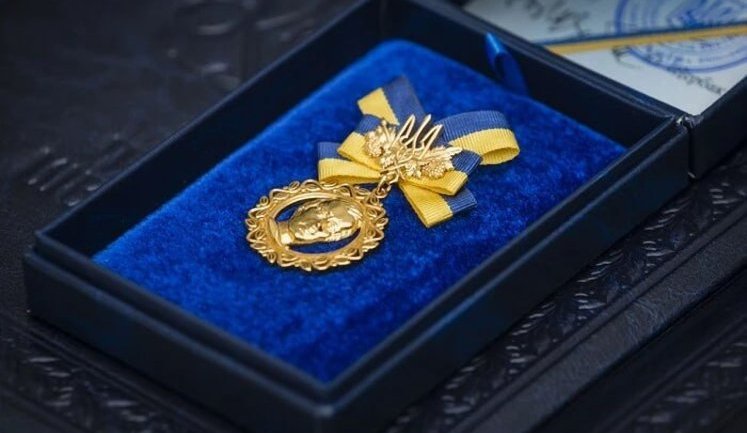
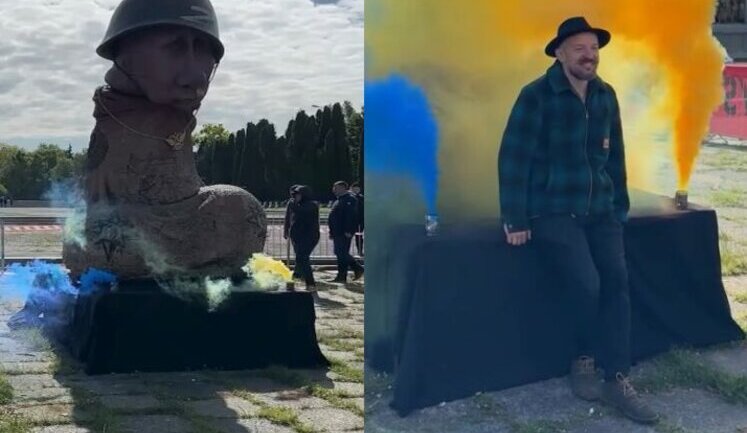
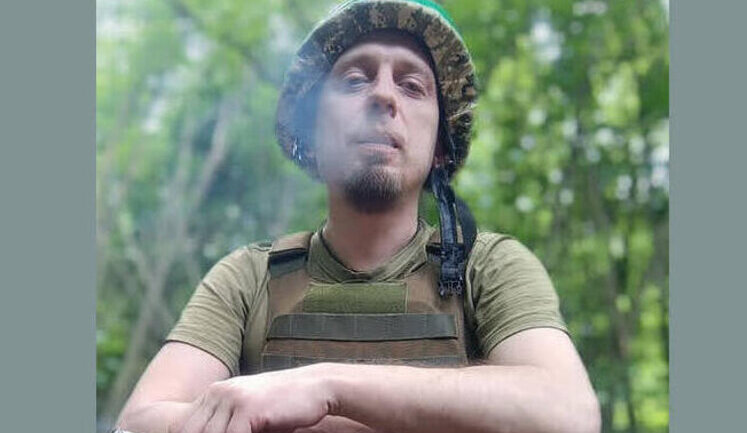
The art world is buzzing with the announcement of the 2026 Shevchenko Prize winners, unveiled on the birth anniversary of the esteemed Taras Shevchenko. Meanwhile, Lithuania's Martynas Gaubas has made waves with his two-metre anti-war sculpture "Kh#ilo," now gracing Poland. In a somber turn, Odesa mourns the loss of muralist Andrii Ruban who was killed in combat. Additionally, cultural property looted during crises remains a contentious topic, with Poland demanding Russia return WWII-era paintings. Through these events, art continues to be a vital narrative force during times of war and peace.
What is the significance of the Shevchenko Prize in art?
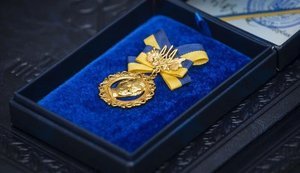
The Shevchenko Prize is Ukraine's most prestigious award for achievements in culture and art. It honors the legacy of Taras Shevchenko and celebrates artistic contributions that impact Ukrainian culture. Winners are recognized for their excellence and their work's cultural significance, promoting national pride through the arts.
What does the sculpture "Kh#ilo" in Poland represent?
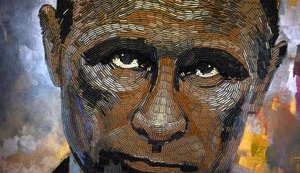
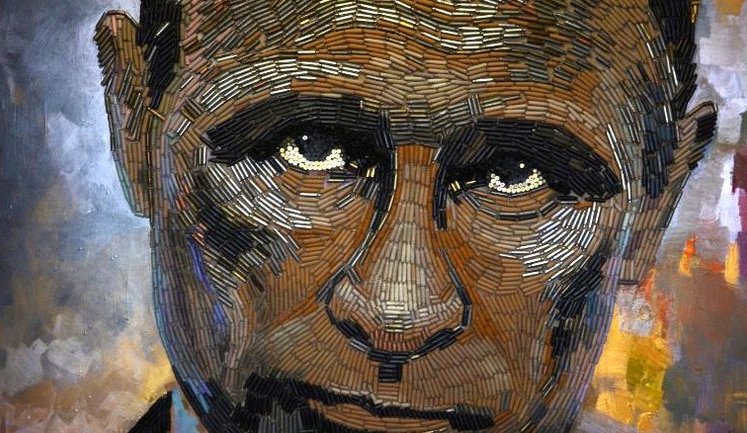
The sculpture "Kh#ilo" by Lithuanian artist Martynas Gaubas symbolizes a strong anti-war message. It stands two metres tall and represents resistance to aggression, serving as an artistic critique of war's devastation. Such pieces are crucial in sparking dialogue and reflection about peace and conflict.
Who was Andrii Ruban and what is his artistic legacy?
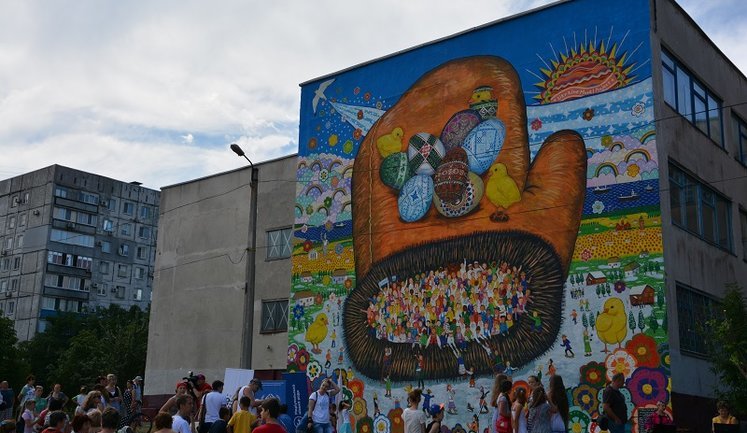
Andrii Ruban was a muralist from Odesa whose art captured the spirit and struggles of Ukraine. Known for his vivid murals, Ruban's work celebrated Ukrainian culture and resilience. His untimely death in battle highlights the intersection of art and national identity amidst conflict.
Why are cultural property thefts significant in Ukrainian art history?
The theft of cultural property, particularly during conflicts, represents a significant loss of heritage and history. In Ukraine, such thefts are likened to those from World War II and reflect on broader themes of cultural identity and international justice. Efforts to recover these pieces highlight their enduring value.
What is the impact of Ukraine's participation in international art events like the Venice Biennale?
Ukraine’s participation in events like the Venice Biennale underscores its cultural diplomacy. By showcasing Ukrainian art globally, the country raises awareness of its rich artistic traditions and current struggles. Such platforms foster international solidarity and promote cultural exchange and understanding.
What historical context surrounds the stolen paintings Poland is seeking to recover?
The paintings Poland seeks to recover were looted during World War II, a period marked by extensive cultural pillage across Europe. These lost artworks represent a historical injustice and embody the collective memory and artistic heritage of the affected regions. Their repatriation is crucial for historical justice and cultural restitution.