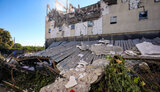
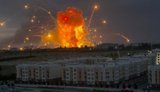
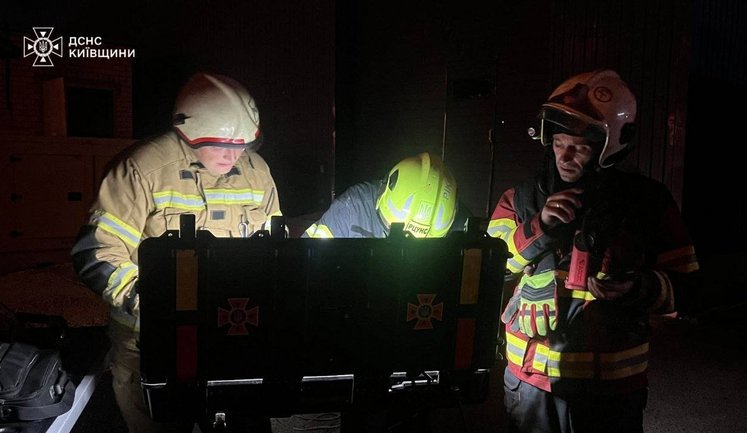
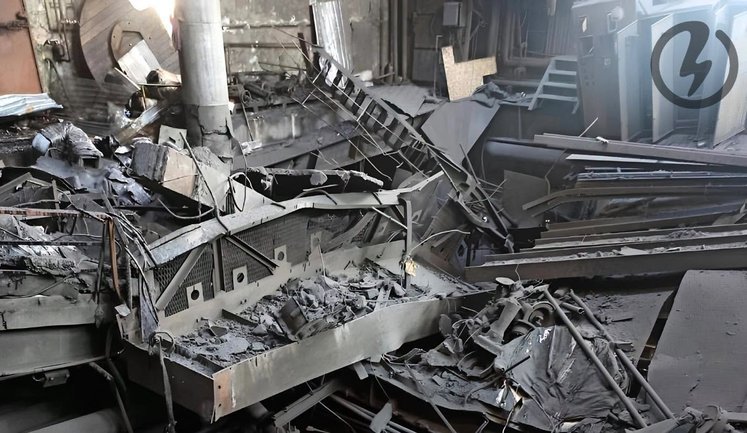
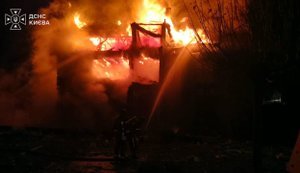
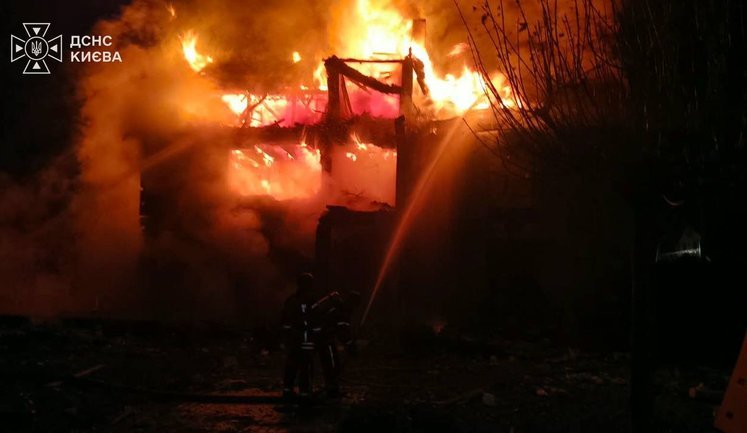
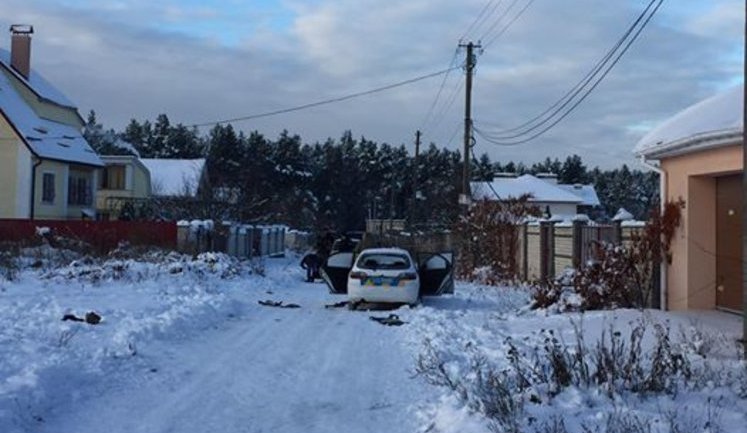
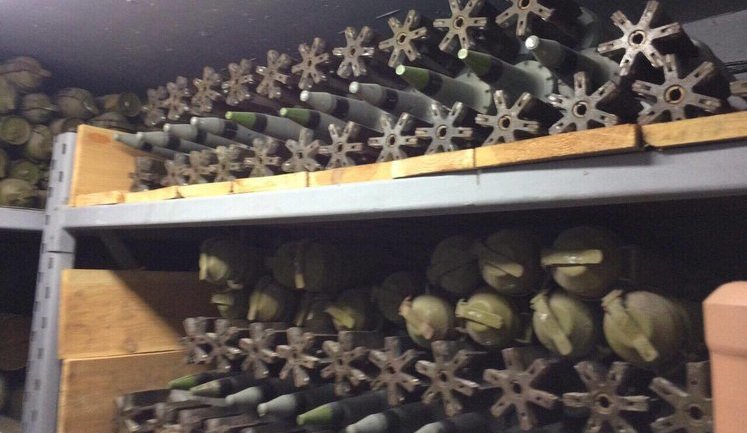
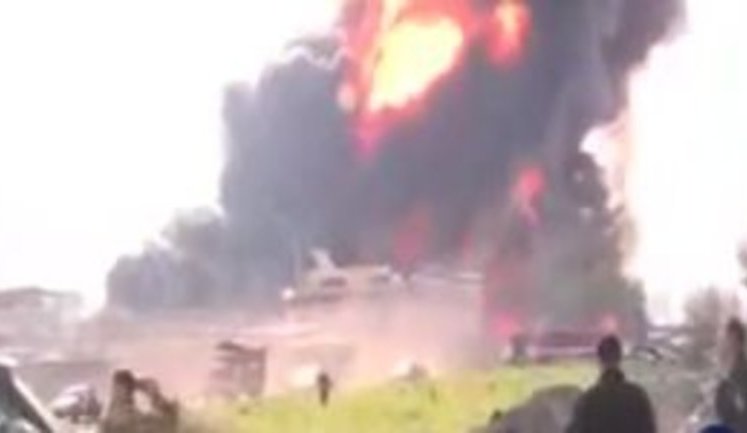
The Kyiv region, a critical area in Ukraine, is repeatedly targeted by enemy forces through a series of destructive attacks. Recent reports indicate multiple strikes involving drones and missiles, causing fires in the Bucha and Boryspil districts and impairing essential infrastructure. Consequently, civilian areas, including schools and residential buildings, have suffered severe damage. These incidents have raised concerns about safety and the availability of basic necessities, as casualties continue to rise. The local response includes firefighting efforts and evacuation of affected individuals to prevent further losses. Authorities emphasize the need for immediate international attention to the ongoing crisis in this volatile region.
What are the recent attacks in the Kyiv region about?
The Kyiv region is enduring a series of attacks involving missiles and drones. These strikes have mainly targeted civilian infrastructure, causing fires and extensive damage. The attacks highlight ongoing military tensions in the region, leading to injuries and fatalities among the local population.
How is the local population being affected by the attacks?
The local population in the Kyiv region is severely impacted, with many residents injured or having lost their lives. The continuous strikes have also damaged residential areas, essential facilities, and other infrastructure, drastically affecting day-to-day life and contributing to a growing sense of insecurity.
What measures are being taken to address the attacks?
Local authorities and emergency services are actively responding by extinguishing fires and evacuating affected individuals. Firefighters and rescue teams are consistently on the scene, working tirelessly to control the blazes and ensure the safety of the residents amidst ongoing threats.
Is there an impact on air quality in the Kyiv region?
Yes, the continuous bombardment and resulting fires have led to a noticeable decline in air quality. This deterioration includes increased levels of particulates and pollutants, presenting health concerns for the residents and requiring monitoring by environmental authorities.
What is the response from international agencies regarding the situation?
International agencies have expressed concern over the escalations in the Kyiv region, urging for immediate dialogue and intervention to prevent further humanitarian crises. The ongoing situation continues to draw the focus of global humanitarian efforts as they monitor and evaluate the evolving circumstances.
Are there specific areas that are targeted more frequently in the Kyiv region?
Reports indicate that districts such as Bucha, Boryspil, and Fastiv are frequently targeted, with repeated strikes causing significant damage to infrastructure and civilian properties. The strategic targeting of these areas underscores ongoing military objectives and complicates local response efforts.
What kind of emergency services have been activated in response?
In response to the attacks, comprehensive emergency services involving fire brigades, medical teams, and rescue units have been activated. These units work around the clock to manage fires, treat injuries, and oversee evacuations where necessary to safeguard the population and mitigate damage.
What kind of infrastructure has been most affected by the attacks?
The attacks have significantly damaged key infrastructure, including warehouses, residential buildings, businesses, and schools. These facilities are crucial for daily functioning and the socio-economic stability of the region, making their destruction a major concern for local and national authorities.
Have there been international reactions to the situation in the Kyiv region?
Yes, the international community has reacted with calls for de-escalation and peace efforts. Diplomatic channels are being urged to take decisive actions to address the underlying conflicts that fuel such attacks, with the hope of restoring safety and normalcy for the hard-hit Kyivan communities.
What role do drones play in the current attacks on the Kyiv region?
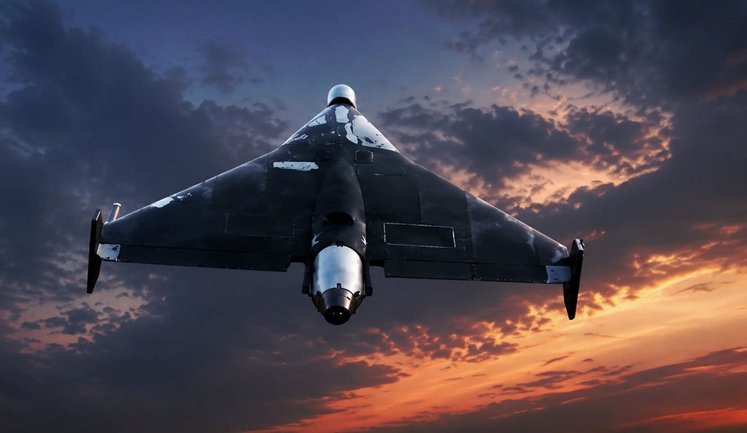
Drones are prominently used in the ongoing attacks, often serving as instruments for precision strikes on targeted sites. Their deployment highlights a shift to more advanced and dynamic military tactics aimed at achieving strategic objectives, despite the consequent harm to civilians and infrastructure.