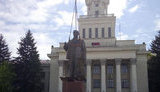
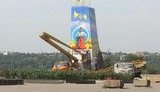
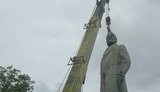
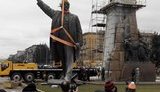
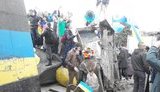
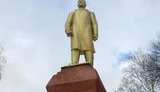
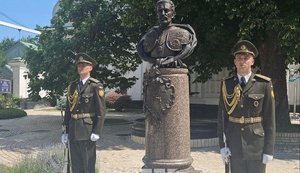
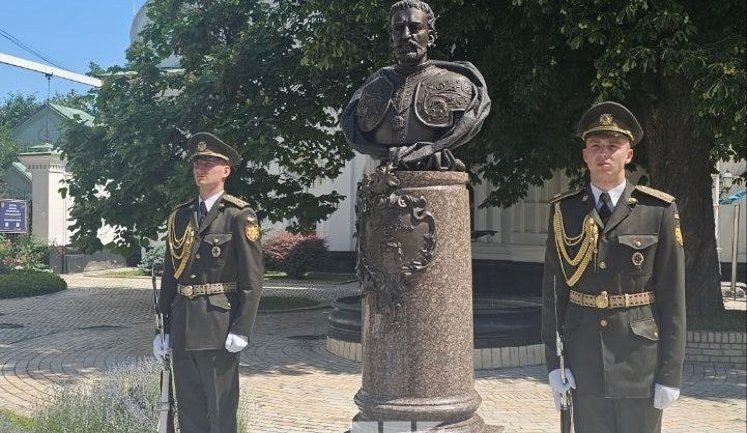
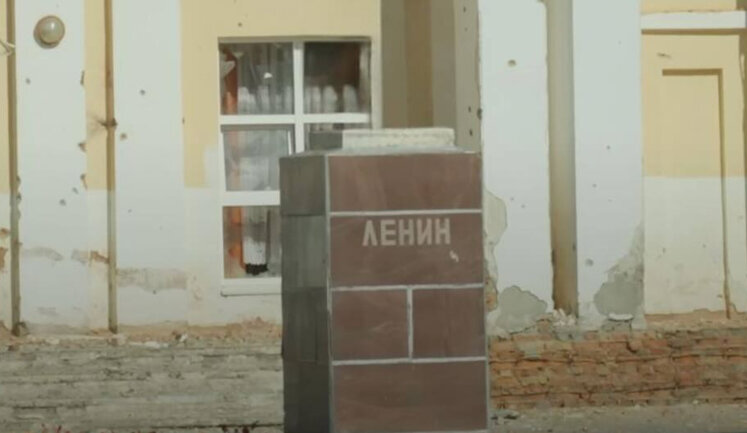
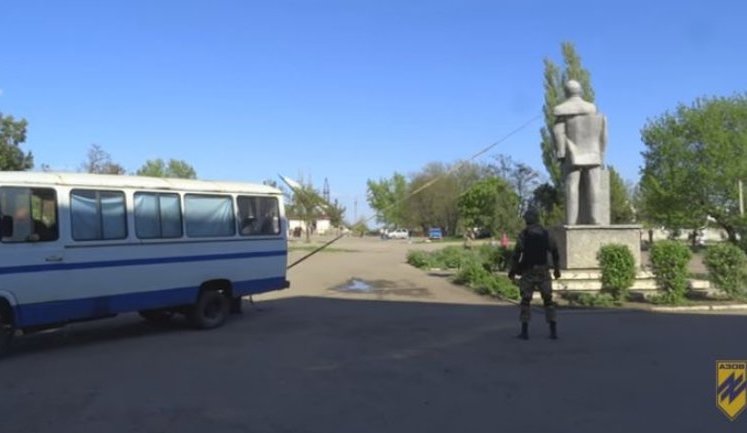
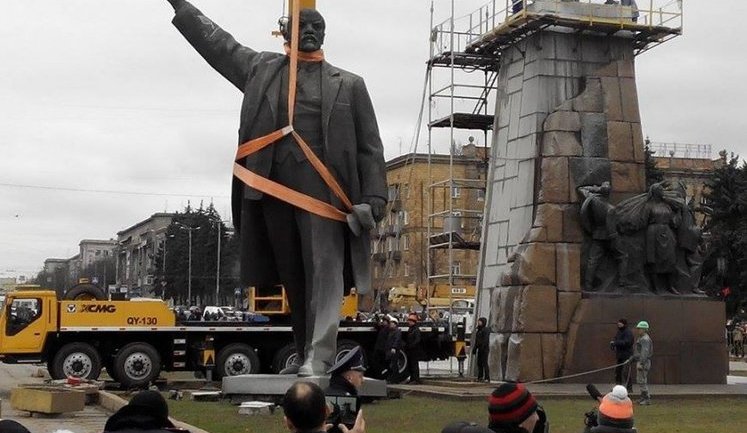
The influence of the decommunization initiative in Ukraine is evident as numerous Lenin monuments are dismantled, symbolizing a shift away from Soviet legacies. The removal and replacement of these statues with Ukrainian figures, such as the proposed monument to hetman Ivan Mazepa in Kyiv, highlight the nation's efforts to embrace its history and culture. Despite resistance, the movement garners momentum, reshaping public spaces and challenging historical narratives. The initiative intends to revoke the glorification of Lenin, fostering a renewed national identity focused on Ukraine's past and aspirations.
Why are Lenin monuments being removed in Ukraine?
Lenin monuments in Ukraine are being removed as part of the broader decommunization effort, aiming to eliminate symbols of Soviet oppression and promote Ukrainian national heritage. This includes replacing Soviet-era figures with Ukrainian historical symbols to foster a national identity aligned with democratic values and historical truths.
How does decommunization affect public spaces in Ukraine?
Decommunization significantly alters Ukraine's public spaces by removing Soviet-era symbols like Lenin monuments and replacing them with figures that reflect Ukrainian heritage and identity. This transformation seeks to reshape the cultural landscape, moving away from the remnants of Soviet propaganda toward a more nationalistic and heritage-focused environment.
What is the significance of erecting a monument to Ivan Mazepa?
The proposal to erect a monument to Ivan Mazepa in place of dismantled Lenin statues signifies Ukraine's effort to honor its historical figures who fought for independence and national identity. Mazepa, known for his stand against Russian domination in the 18th century, represents resilience and Ukrainians' long struggle for sovereignty.
What criticisms are raised against decommunization in Ukraine?
Critics of decommunization in Ukraine argue that it may erase parts of the history, leading to societal division. However, proponents believe it's essential for national healing and establishing a narrative free from Soviet influence. The debate highlights the challenge of balancing historical memory with national identity reconstruction.
How many Lenin monuments have been removed under the decommunization law?
Since the implementation of the decommunization law, numerous Lenin monuments have been removed across Ukraine, reflecting a significant shift in public perception and the country's attempt to disconnect from its Soviet past. Although exact numbers fluctuate, the removal process continues as part of this ongoing effort.