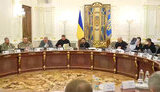
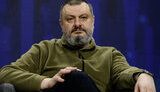
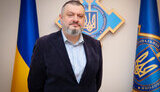
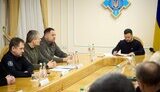
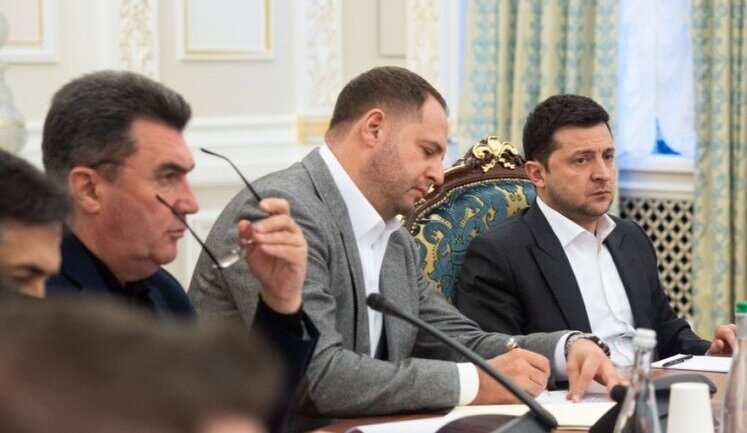
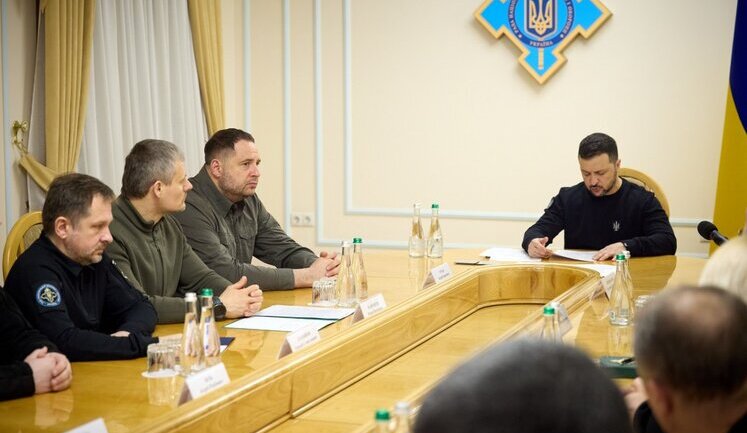
NSDC Secretary Oleksandr Lytvynenko has highlighted significant initiatives to strengthen Ukraine's defenses and international standing. Sanctions are being prepared against the "shadow fleet" and Russian propagandists, encompassing over 120 individuals. This move underscores Ukraine's commitment to counteracting misinformation and ensuring national security. In efforts to bolster the Armed Forces of Ukraine (AFU), plans are underway to mobilize an additional 160,000 personnel, a move critical for sustaining Ukraine's military capabilities. Lytvynenko also highlighted the importance of negotiation from a position of strength, emphasizing that peace talks with Russia require substantial readiness. Simultaneously, cybersecurity measures suggest restricting Telegram, with allowances for official channels, indicating a focused approach to safeguard digital communication.
How is NSDC Secretary Lytvynenko addressing Russian propaganda?
Lytvynenko is advocating for sanctions targeting more than 40 Russian propagandists as part of a broader initiative to combat misinformation and protect national interests. By doing so, Ukraine aims to diminish the influence of Russian propaganda campaigns that could undermine its security and international image.
What are the plans for Ukraine's Armed Forces according to NSDC Secretary Lytvynenko?
Spearheading a significant expansion, Lytvynenko plans to recruit an additional 160,000 personnel to the Armed Forces of Ukraine. This mobilization aims to enhance the country's defense readiness in the face of ongoing security challenges, ensuring a strategically resilient military capability.
Why is Ukraine considering restrictions on Telegram according to Lytvynenko?
Lytvynenko notes that the National Coordination Center for Cybersecurity's recommendation to limit Telegram use is a protective measure against potential cybersecurity threats. This advisory is aimed at curtailing misuse while allowing essential government communication to continue unaffected.
What stance does Lytvynenko take on negotiations with Russia?
Lytvynenko advocates for negotiations with Russia from a position of strength, suggesting that substantive peace talks are contingent upon Ukraine having the upper hand. This reflects a strategic approach in diplomatic dialogues aimed at securing favorable outcomes for Ukraine.
How does Lytvynenko view the current military situation in Ukraine?
According to Lytvynenko, while the situation at the front remains challenging, it is far from catastrophic. His remarks during a regional forum suggest a cautious yet optimistic assessment, recognizing ongoing efforts to manage and improve military conditions.