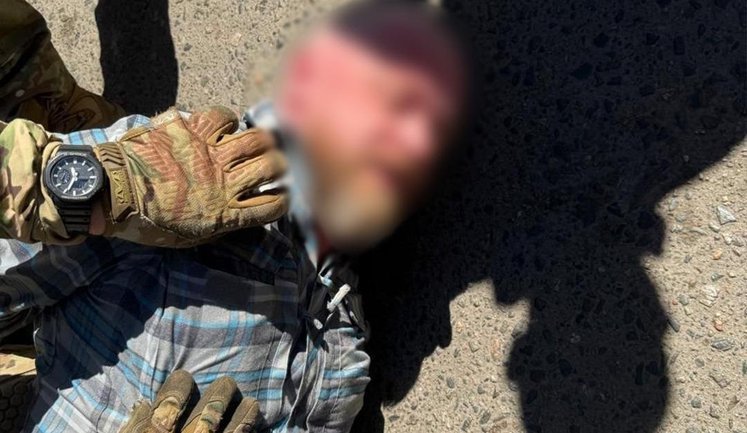
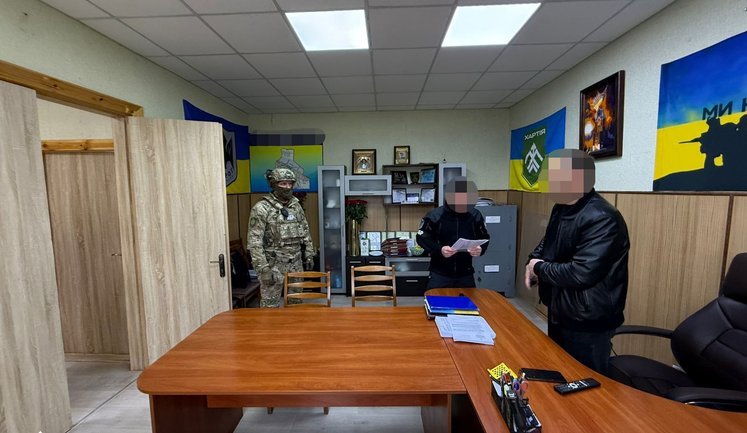
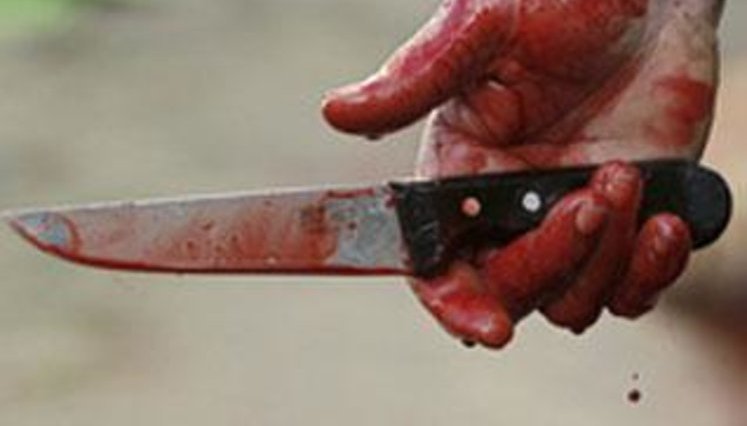
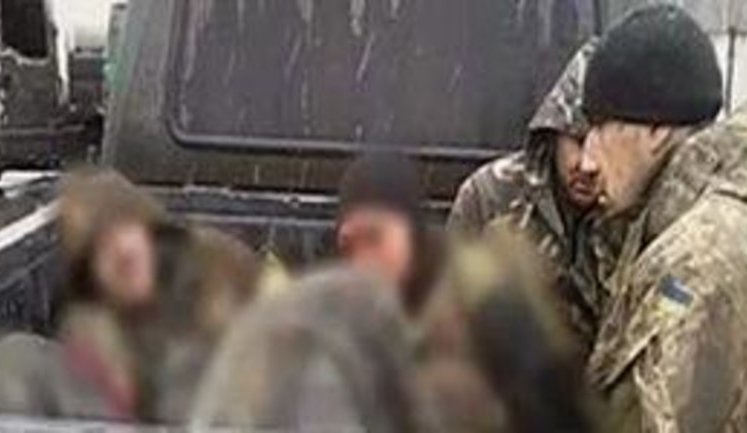
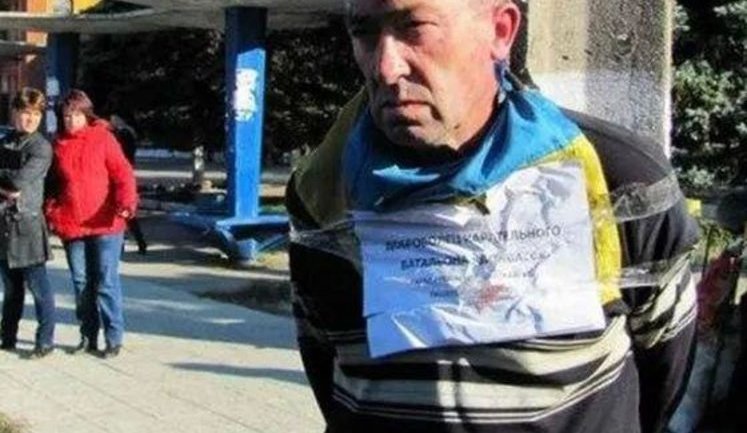
The topic of torture features prominently in news regarding the actions of Russian forces. Evidence has surfaced of individuals suffering under Russian occupation, including Ukrainian civilians and soldiers. Reports from Human Rights Watch and other international bodies indicate systematic torture and abuse by Russian authorities. Specific incidents involve commanders using medieval punishment methods, with allegations of torture in places like Olenivka and Melitopol. Recurrent themes include the torture of prisoners of war, harsh treatment of civilians, and the use of torture as disciplinary action within their military. These narratives highlight an ongoing humanitarian crisis and a persistent violation of international law by Russian forces, drawing widespread condemnation from global and local entities monitoring human rights and international conduct.
What are some examples of torture used by Russian forces?
Torture methods reportedly practiced by Russian forces include beatings, electric shocks, and mock executions. In some cases, inscriptions like "Glory to Russia" were branded on prisoners' bodies. These actions are consistent with reports of medieval-style punishment prevalent in the military, with evidence of such atrocities regularly surfacing in occupied areas with documented abuses.
How is the international community responding to these torture allegations?
The international community, including the United Nations and Human Rights Watch, consistently condemns the systematic torture and abuse by Russian forces. These entities have published reports and demanded accountability for what they describe as crimes against humanity, continuously appealing for stronger actions to halt these violations and ensure justice for victims.
What impact does the torture have on Ukrainian prisoners and civilians?
For Ukrainian prisoners and civilians, the impact includes severe physical and psychological trauma, often resulting in lasting injuries or death. Reports detail cases where tortured individuals suffered lifelong scars and emotional distress, severely affecting their families and communities. The enduring fear and intimidation these actions instigate impact society at large, compounding the humanitarian crisis.
Are there legal repercussions for those accused of torture during the conflict?
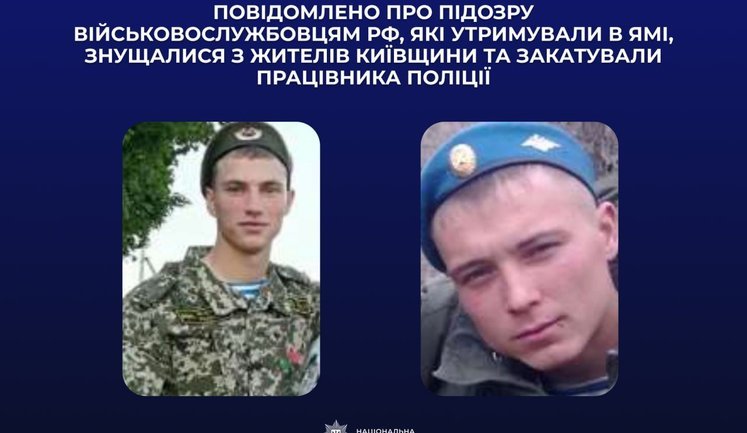
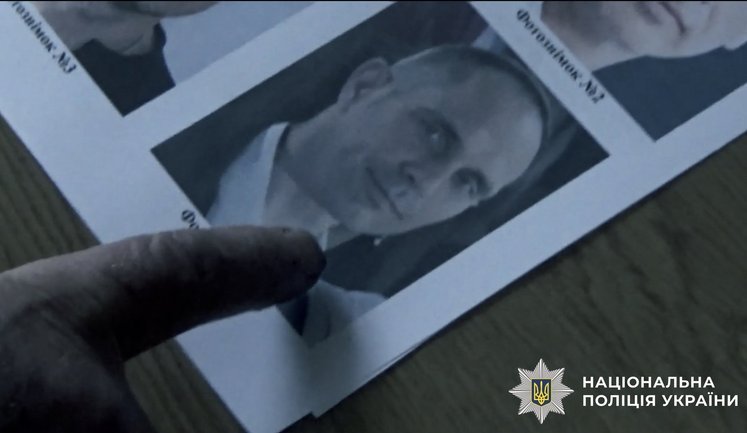
Legal repercussions for those accused of torture during the conflict vary. Some individuals, including Russian military officers, have been identified and face charges by Ukrainian authorities. With international support, these cases are pursued to ensure accountability. However, the complex geopolitical scenario complicates the enforcement of international law and justice delivery.
What is the response of the Russian government to the torture allegations?
The Russian government's response to torture allegations has often been dismissive, frequently denying involvement or responsibility. These denials occur despite mounting evidence presented by international organizations and firsthand testimonies. Russia's withdrawal from certain human rights conventions, like the European Convention for the Prevention of Torture, further exacerbates international tensions and frustrations about their accountability.
How are human rights organizations gathering evidence of torture in conflict zones?
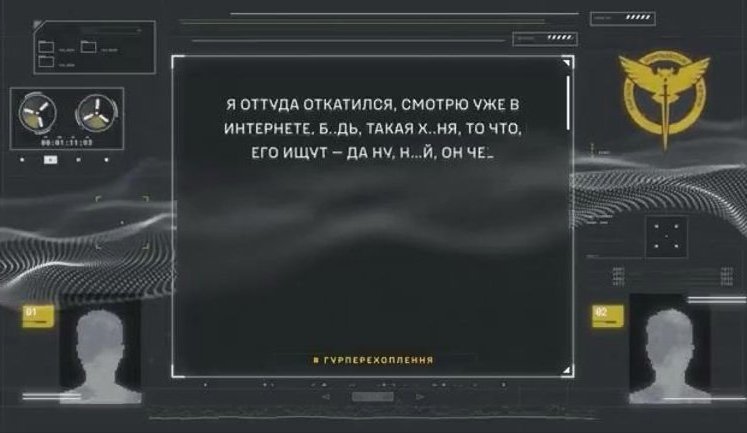
Human rights organizations gather evidence through on-the-ground investigations, witness interviews, satellite imagery, and communication intercepts. Detailed reports from survivors and their families, alongside corroborative evidence like videos and photographs, help paint a comprehensive picture of the alleged war crimes, enabling these organizations to build substantiated cases against perpetrators, often submitted to international courts and tribunals for further action.