Intelligence operations play a crucial role in the ongoing conflict between Ukraine and Russia. Recent reports highlight the restoration of full intelligence sharing between the US and Ukraine, significantly enhancing Ukraine's strategic footing. Meanwhile, Ukrainian forces have demonstrated remarkable prowess in drone operations, intercepting and neutralizing Russian reconnaissance UAVs. Additionally, international partners like Germany are stepping up military support, including the transfer of strike drones, in response to events linked to Russian activity in Europe. These developments underline the evolving dynamics of military intelligence and cooperative defense efforts.
How has US intelligence sharing impacted Ukraine?
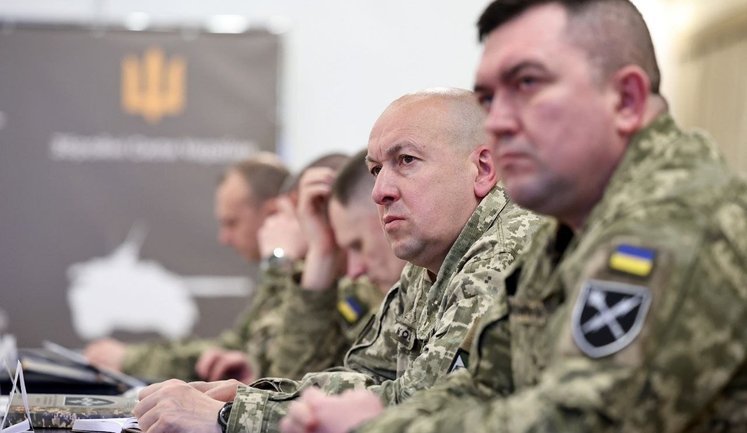
The resumption of full-scale intelligence sharing between the US and Ukraine has bolstered Ukraine's military strategy and operational effectiveness against Russian forces. This cooperation provides crucial data and insights into enemy movements and strategies, enhancing Ukraine's ability to anticipate and counter threats effectively.
What role do drones play in Ukraine's military operations?
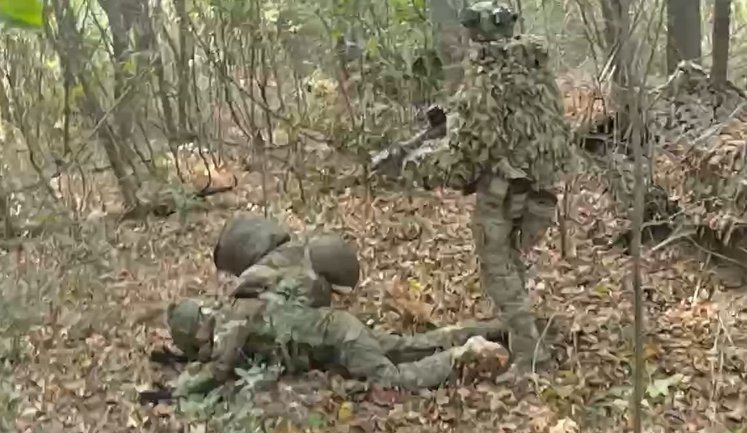
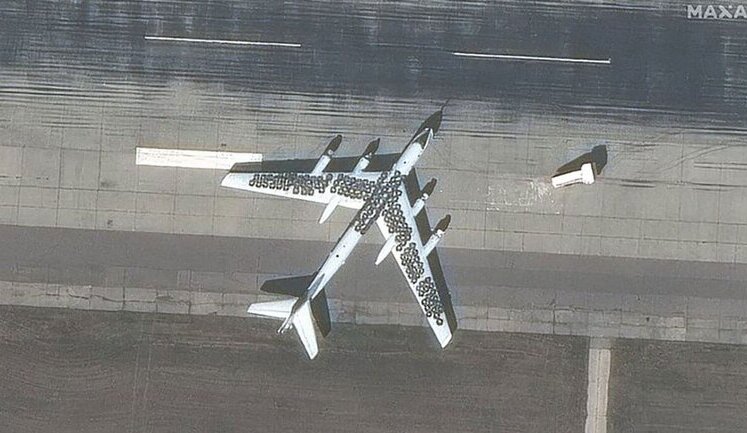
Drones have become pivotal in Ukraine's military operations, providing reconnaissance capabilities that allow forces to gather real-time intelligence and assess enemy positions. This has enabled Ukrainian troops to launch precise strikes and defend against aggressive maneuvers, significantly impacting battlefield dynamics.
How is Germany supporting Ukraine amid the conflict?
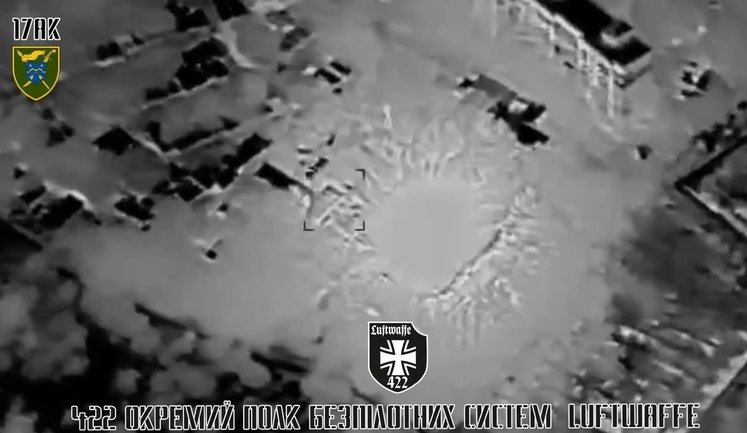
Germany plans to enhance its support by transferring thousands of strike drones and IRIS-T missiles to Ukraine. This move follows events linking Russia to drone incidents and aims to strengthen Ukraine's defense capacity, reflecting growing international military cooperation.
What are the implications of intelligence cooperation on the war's outcome?
Strengthened intelligence cooperation, such as between the US and Ukraine, significantly impacts the war by providing strategic advantages in identifying and countering threats. It increases the efficiency of military operations and can alter the conflict's trajectory by preventing enemy advances and planning effective counterattacks.
How does intelligence influence global military strategies?
Intelligence gathering and sharing shape global military strategies by providing insights into enemy capabilities, intentions, and vulnerabilities. This information guides decision-making, enhances preparedness, and informs the development of tactics and alliances necessary for effective defense and strategic superiority.