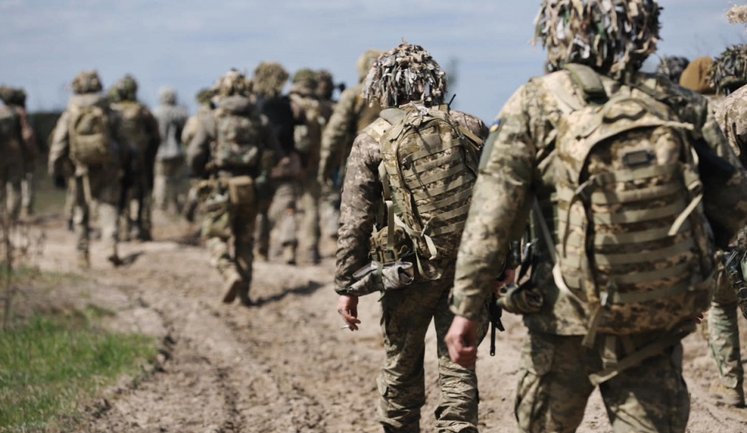
As Ukraine navigates ongoing conflict, the rotation of military personnel has become a focal point for maintaining troop welfare and operational readiness. President Zelenskyy highlights the significant mobilization of 30,000 to 34,000 personnel monthly, yet stresses the need for systematic rotation to prevent fatigue. Additionally, measures against corruption in rotation promises, exemplified by a recent arrest in Dnipropetrovsk, underscore Ukraine's commitment to transparency. Meanwhile, strategic rotations, such as those near Velykyi Vilkhovyi and within the broader Kharkiv region, ensure dynamic troop deployment against Russian forces. Policy innovations offer soldiers rest after 90 days of service, reflecting Ukraine's adaptive defense strategies in complex wartime scenarios.
What are the key reasons for military rotations in Ukraine?
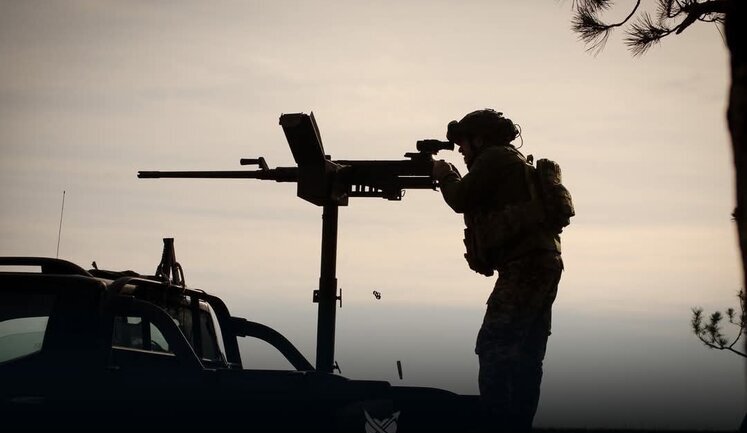
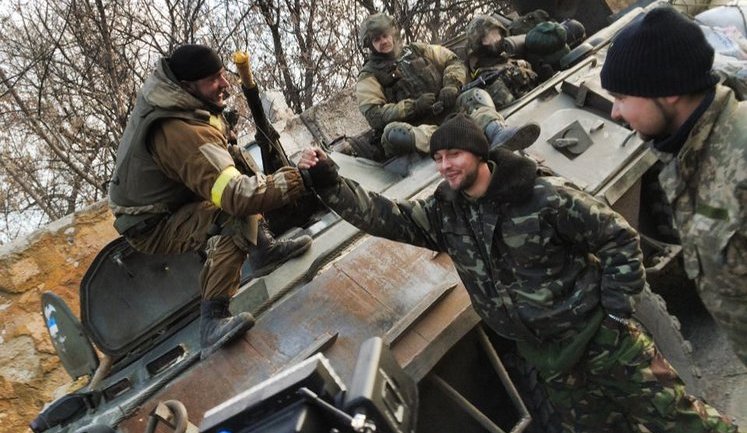
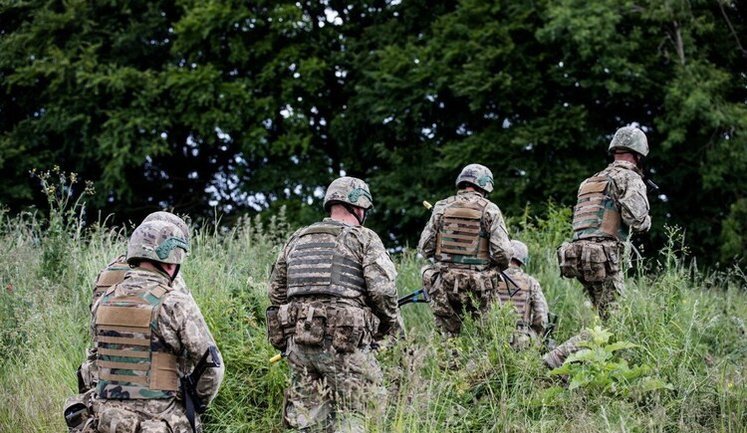
Military rotations in Ukraine are primarily driven by the need to alleviate soldier fatigue, enhance operational effectiveness, and ensure equitable distribution of deployment risks. By rotating troops, Ukraine maintains a robust defense posture, allowing for fresh forces to replace exhausted ones, thereby sustaining troop morale and readiness in ongoing operations against Russian forces.
How frequently does Ukraine mobilize new soldiers?
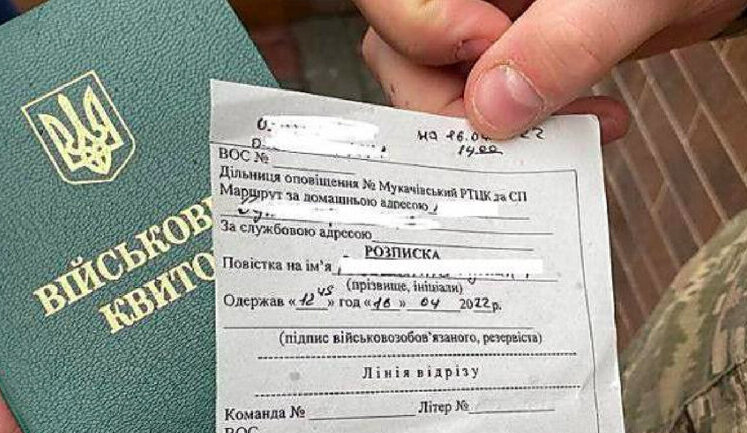
Ukraine mobilizes approximately 30,000 to 34,000 new soldiers each month. This mobilization strategy is designed to address immediate manpower shortages and ensure continuous replenishment of front-line units engaged in defense operations. Despite this effort, the need for systematic rotation remains critical to managing operational demands efficiently.
What policies are in place for troop rest and recuperation?
The Ukrainian Ministry of Defense has implemented policies allowing troops to rest and recuperate after 90 days of continuous combat service. This mechanism is an alternative to the demobilization law and aims to sustain troop morale by providing structured recovery periods, crucial for sustaining long-term operational capabilities in combat zones.
How is Ukraine handling corruption related to military rotations?
Ukraine actively combats corruption related to military rotations by employing measures to ensure transparency and accountability. Recent actions include the arrest of a military officer in Dnipropetrovsk for accepting bribes to manipulate rotation lists, demonstrating the government's commitment to maintaining integrity in its defense strategies.
What are the strategic implications of troop rotations near Velykyi Vilkhovyi?
Troop rotations near Velykyi Vilkhovyi are strategically significant as they enable Ukraine to maintain a dynamic and responsive defense posture against Russian advancements. By rotating forces, Ukraine can adapt to shifting tactical scenarios and deploy fresh, well-rested units capable of effectively countering enemy movements in the region.
Why is rotation crucial for the Ukrainian Armed Forces in Kharkiv?
Rotation is essential for the Ukrainian Armed Forces in Kharkiv to manage fatigue and ensure the efficient deployment of assault units. This strategic rotation helps bolster defensive positions, enhance resilience against prolonged engagements, and maintain high combat readiness against Russian reserves and offensive operations in the Kharkiv region.
What role do volunteer fighters play in Ukraine’s rotation strategy?
Volunteer fighters, particularly those aged 18-24, play a pivotal role in Ukraine’s rotation strategy by providing essential manpower to relieve front-line troops. These contracts allow Ukraine to rotate fatigued forces efficiently, ensuring sustained operational capabilities while integrating fresh recruits into ongoing defensive operations against aggressors.