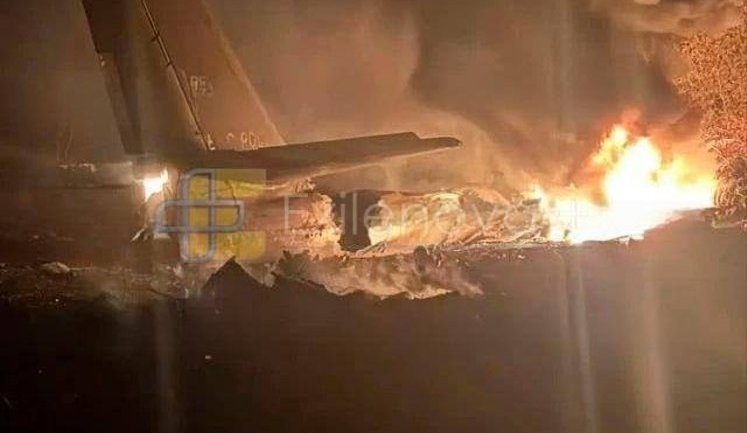
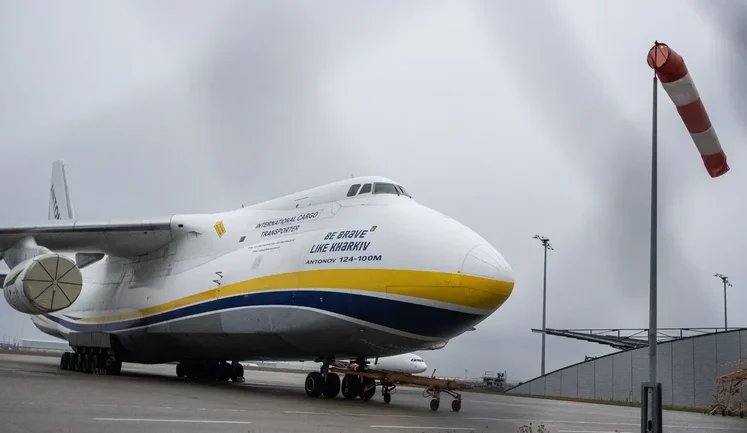
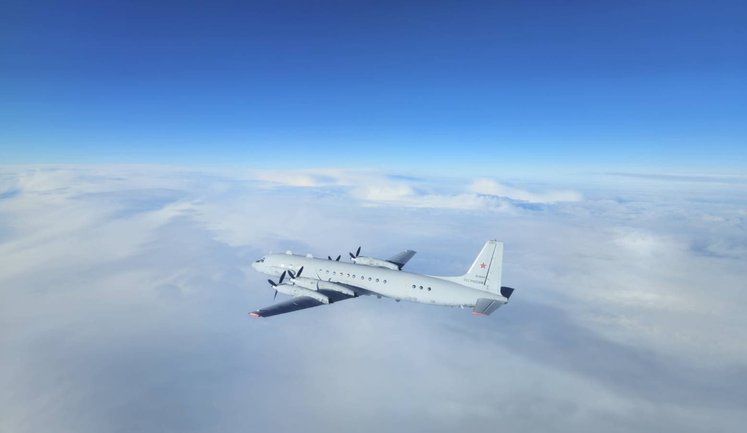
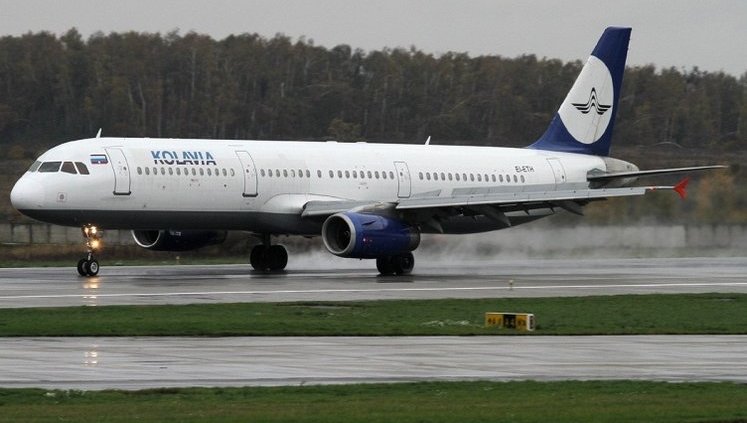
President Volodymyr Zelenskyy's plane faced delays during its flight from Moldova to Norway because of airspace closures following a Russian drone crash. While the drone did not directly threaten Zelenskyy's aircraft, it exploded 160 km away from the airport, highlighting ongoing security challenges in the region. This incident underscores the complexities that military and civilian aircraft encounter amidst persistent drone activities. Such episodes pose significant threats to aviation safety and necessitate coordinated responses from international aviation and defense authorities to mitigate risks.
What caused the delay of President Zelenskyy's plane?
President Zelenskyy's plane was delayed due to a closure of airspace prompted by the crash of a Russian drone, which exploded some distance away from his intended path.
Was President Zelenskyy's plane at risk from the drone explosion?
The drone explosion occurred 160 km away from the airport where President Zelenskyy's plane was located. Although there was no direct threat, the incident highlights risks posed by drones to air travel.
What measures are being considered to address drone threats near airports?
The incident stresses the importance of enhancing airspace security. Aviation authorities need to bolster drone detection and prevention technologies to ensure the safety of all flights near vulnerable airspace.
Are there other recent incidents involving planes and drones?
There have been several drone-related incidents affecting flight operations, including near misses and disruptions, which underscore the ongoing threats drones pose to aviation safety globally.
How do drone activities impact international aviation security?
Drone activities significantly impact international aviation security by increasing the risk of collisions and disruptions. Nations are urged to enhance regulatory frameworks and improve defense measures against unauthorized drone operations.
Why is drone surveillance crucial for airspace management?
Effective drone surveillance is crucial for airspace management to promptly detect potential threats, minimize unauthorized incursions, and ensure the uninterrupted safety and security of air travel operations.
How have global authorities been responding to drone threats near airports?
Global authorities are investing in advanced detection technologies, implementing stricter regulatory measures, and fostering international cooperation to better manage and mitigate drone-related threats near airports.