ENG




13567 visitors online
President Volodymyr Zelenskyy's plane faced delays during its flight from Moldova to Norway because of airspace closures following a Russian drone crash. While the drone did not directly threaten Zelenskyy's aircraft, it exploded 160 km away from the airport, highlighting ongoing security challenges in the region. This incident underscores the complexities that military and civilian aircraft encounter amidst persistent drone activities. Such episodes pose significant threats to aviation safety and necessitate coordinated responses from international aviation and defense authorities to mitigate risks.
What caused the delay of President Zelenskyy's plane?
President Zelenskyy's plane was delayed due to a closure of airspace prompted by the crash of a Russian drone, which exploded some distance away from his intended path.
Was President Zelenskyy's plane at risk from the drone explosion?
The drone explosion occurred 160 km away from the airport where President Zelenskyy's plane was located. Although there was no direct threat, the incident highlights risks posed by drones to air travel.
What measures are being considered to address drone threats near airports?
The incident stresses the importance of enhancing airspace security. Aviation authorities need to bolster drone detection and prevention technologies to ensure the safety of all flights near vulnerable airspace.
Are there other recent incidents involving planes and drones?
There have been several drone-related incidents affecting flight operations, including near misses and disruptions, which underscore the ongoing threats drones pose to aviation safety globally.
How do drone activities impact international aviation security?
Drone activities significantly impact international aviation security by increasing the risk of collisions and disruptions. Nations are urged to enhance regulatory frameworks and improve defense measures against unauthorized drone operations.
Why is drone surveillance crucial for airspace management?
Effective drone surveillance is crucial for airspace management to promptly detect potential threats, minimize unauthorized incursions, and ensure the uninterrupted safety and security of air travel operations.
How have global authorities been responding to drone threats near airports?
Global authorities are investing in advanced detection technologies, implementing stricter regulatory measures, and fostering international cooperation to better manage and mitigate drone-related threats near airports.
News plane
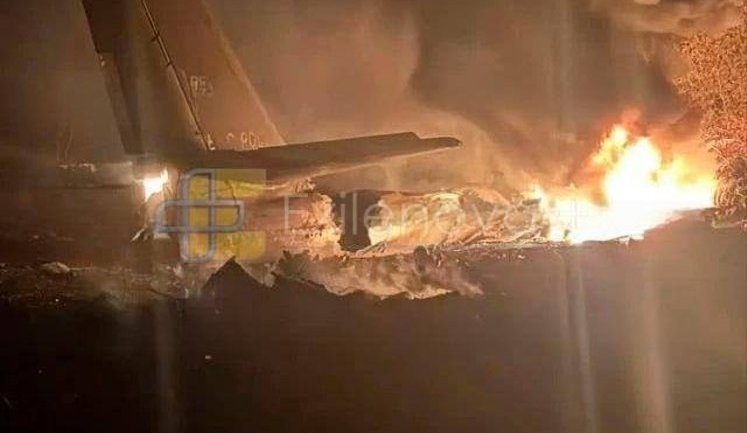
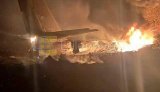 Tu-95MS crash in Amur Region: 8 officers who organized missile strikes on Ukraine were among "200," - media A Tu-95MS bomber crash in the Amur Region on September 29 claimed the lives of eight Russian officers. Among those killed were individuals involved in organizing missile attacks on Ukrainian territory. 4 528 27 Previously in trend: plane fell in Russia
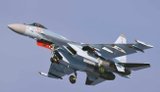 SSU has struck two Russian fighter jets – Su-35 and Su-34 – at airfield in Adygea On the night of 4 October, drones operated by the SSU’s ‘Alpha’ Special Operations Centre struck Russian Su-35 and Su-34 aircraft at the ‘Khanskaya’ military airfield in the Russian Federation. 7 656 23 Previously in trend: Destruction of Russian equipment The destruction of a Russian plane
 Two citizens have been detained in Latvia on suspicion of spying for Russia; one of them used a private jet. Two Latvian citizens have been detained in Latvia on suspicion of gathering intelligence for Russia. According to investigators, one of them used a private plane to observe and photograph a military base in Ādaži. 824 0 Previously in trend: spying in favor of Russia
 Flydubai passenger plane bound for Israel made emergency landing in Saudi Arabia due to dispute between pilots, - media A passenger plane flying from Dubai to Tel Aviv recently issued a distress signal while turning back over Saudi Arabian airspace. 8 610 34 Previously in trend: Aircraft hijackings
Tu-95MS crashes in Russia’s Amur Oblast: 6 crew members killed (updated). VIDEO&PHOTOS A plane crashed in Russia’s Amur Oblast. According to preliminary reports, six crew members were killed. 16 111 90 Previously in trend: plane fell in Russia
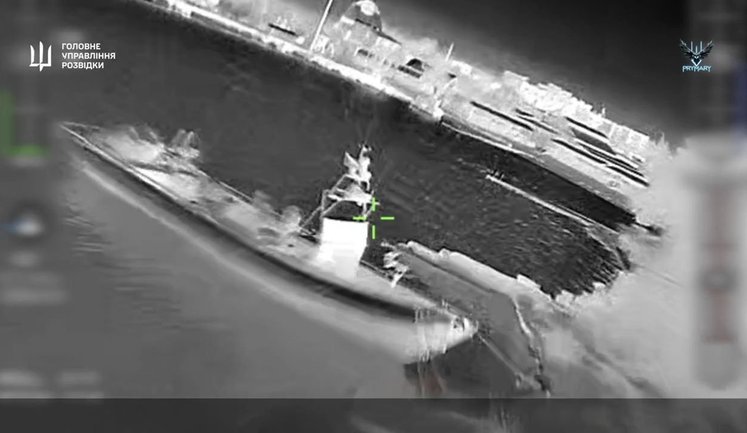
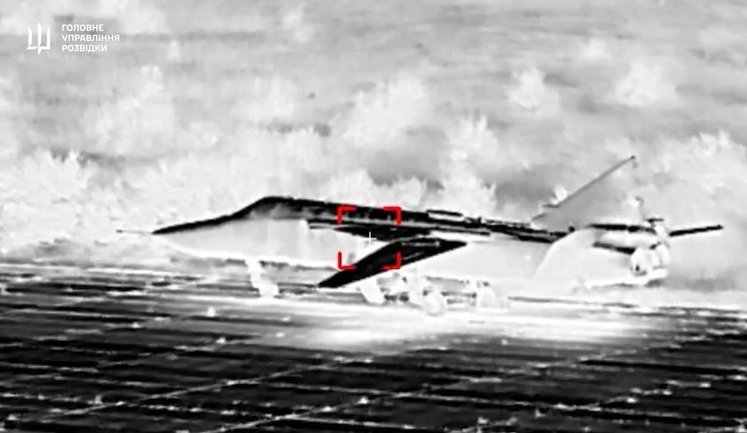
 Bridge, aircraft, three boats and four radar stations: DIU’s "Prymary" carried out series of strikes on Russian military targets. VIDEO Operators from the ‘Prymary’ special forces unit of the Main Intelligence Directorate of the Ukrainian Ministry of Defence carried out a series of strikes against the military infrastructure of the Russian occupiers, targeting the enemy’s logistics, communications and radar facilities, as well... 2 692 1 Previously in trend: Destruction of Russian equipment DIU special operations
 If Russia apologizes, we won’t make big deal out of it – Sikorski on Mi-8 incident in Poland Polish Foreign Minister Radosław Sikorski called on Russia to apologize for the violation of the country's airspace by its Mi-8 helicopter. 10 589 66 Previously in trend: Airspace violation
 Defense forces struck Russian Su-24 and launch site for Russian strike UAVs – General Staff On September 15 and during the night of September 16, a Su-24 aircraft, a launch site for attack drones, UAV command posts, an ammunition depot, and Russian fuel depots in the occupied territories were struck. 1 477 0 Previously in trend: The destruction of a Russian plane
 Russia has twice tried to attack my plane with drones in Moldova in recent weeks, Zelenskyy says Russia has twice targeted the plane carrying Ukrainian President Volodymyr Zelenskyy with drones in recent weeks. 4 299 91 Previously in trend: Zelenskyy’s plane
 Drone did not threaten Zelenskyy’s plane, but exploded 160 km from airport, - AR The plane of Ukrainian President Volodymyr Zelenskyy was delayed on its flight from Moldova to Norway due to the closure of airspace following the crash of a Russian drone. 12 223 113 Previously in trend: Incursion of Russian Federation drones into Moldova
 Zelenskyy’s plane nearly hit by drone while departing Moldova for Oslo – Norwegian PM Store A drone nearly struck the plane carrying Ukrainian President Volodymyr Zelenskyy to Oslo for the funeral of Norway’s king as it departed Moldova on Tuesday, 8 September. 11 175 99 Previously in trend: Zelenskyy’s visit to Norway Incursion of Russian Federation drones into Moldova
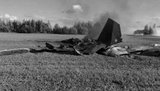 Two Russian Su-35S fighter jets collide in Russia’s Kursk region: one pilot killed On 7 September, two Russian Su-35S fighter jets collided in the sky over Russia’s Kursk region. 7 829 36 Previously in trend: Russia lost aircraft
 DIU fighters hit enemy aircraft with drone in occupied Crimea. VIDEO Special forces of the Ukrainian Ministry of Defence’s Defence Intelligence (DIU) carried out another successful special operation in temporarily occupied Crimea. 6 169 10 Previously in trend: Destruction of Russian equipment The destruction of a Russian plane
 Zelenskyy announces talks with partners over combat aircraft delays President of Ukraine Volodymyr Zelenskyy said that Ukraine would hold talks with partners over delays in the delivery and maintenance of combat aircraft. 2 506 20
 Destruction of MiG-29 aircraft and Ka-27 helicopter confirmed. Enemy ammunition and logistics depots struck – General Staff On September 1 and during the night of September 2, 2026, units of Ukraine’s Defence Forces struck several military targets belonging to the Russian aggressor. 2 506 3 Previously in trend: Striking Russia
 $100 million ’Nebo-U’ radar system struck: ’Achilles’ fighters launched attack on ’Millerovo’ airfield in Russia. VIDEO The Ukrainian Defence Forces have launched another strike against military infrastructure on Russian territory. 7 811 6
 Merz on incident involving Ukrainian aircraft in Leipzig: Those responsible will pay for it German Chancellor Friedrich Merz has spoken publicly for the first time about the drone incident at Leipzig/Halle Airport. 1 896 6 Previously in trend: Russian subversions in EU
 Unmanned Systems Forces strike rocket fuel plant, MiG-29 and Arkhangel military UAV school. VIDEO The Unmanned Systems Forces of the Armed Forces of Ukraine struck a number of enemy military facilities at operational and strategic depth. 3 843 40 Previously in trend: Destruction of Russian equipment Results of Unmanned Systems Forces units’ operations
 Enemy command posts, depots, and radar stations have been struck. Damage to enemy combat aircraft has been confirmed, - General Staff On August 23 and during the night of August 24, 2026, units of the Ukrainian Defense Forces struck a number of military targets belonging to the Russian aggressor. 1 224 2 Previously in trend: Destruction of Russian equipment Russia lost aircraft
Su-33 and MiG-29 aircraft, S-400 air defence system position in Gelendzhik and elements of enemy’s air defence have been struck, – Madyar. VIDEO Unmanned aerial systems have struck three enemy aircraft – a Su-33, a MiG-29 and an ‘Orion’ strike and reconnaissance aircraft. In addition, Russian air defence systems have come under attack. 14 466 34 Previously in trend: Destruction of Russian equipment Russia lost aircraft
 Destruction of Su-24M aircraft and other Russian equipment in occupied Crimea has been confirmed, - General Staff It has been confirmed that on August 20, 2026, as a result of an attack on the "Saki" airfield (Novofedorivka, temporarily occupied territory of the Autonomous Republic of Crimea), the Ukrainian Defense Forces destroyed a Su-24M aircraft and four pieces of enemy airfield support equipment. 3 028 3 Previously in trend: Russia lost aircraft
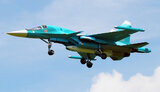 Su-34 bomber damaged at Russia’s Akhtubinsk airfield following AFU strike – General Staff Following the 20 August 2026 strike on Akhtubinsk airfield in Russia’s Astrakhan region, damage to a Su-34 aircraft and a fuel spill at the facility have been confirmed. 2 092 3 Previously in trend: Drone attack on Russian regions The destruction of a Russian plane
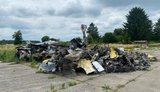 Su-24M crash in Khmelnytskyi region: SBI investigates bird strike theory The State Bureau of Investigation continues to investigate the crash of a military Su-24M aircraft in the Khmelnytskyi region, which killed both pilots. Investigators have decoded the flight recorder and ordered an additional aviation engineering examination to establish the immediate cause of... 2 592 12 Previously in trend: Su-24M crashed in Khmelnytskyi region
 Acted on instructions from Secret Service: Trump confirmed secret change of plane after NATO summit due to security threat U.S. President Donald Trump confirmed that he left the NATO summit in Ankara on a different aircraft, a fact unknown to most members of his delegation. According to the official, this move was a necessary measure taken at the request of the intelligence agencies. 1 800 16 Previously in trend: US strikes on Iran
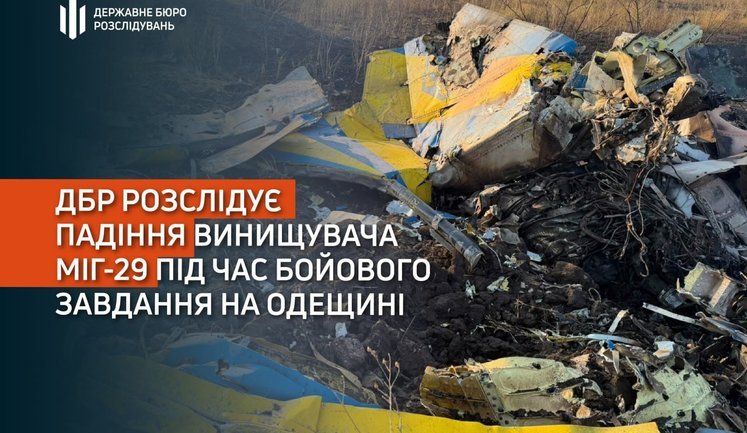
 MiG-29 crash in Odesa region: SBI has opened inquiry and is searching for ’black box’. PHOTO Officials from the State Bureau of Investigation (SBI) have opened a criminal investigation into the crash of a Ukrainian Armed Forces MiG-29 fighter jet, which occurred on the evening of 10 August 2026 in the Berezivka district of the Odesa region. 2 579 6 Previously in trend: Ukraine lost aircraft
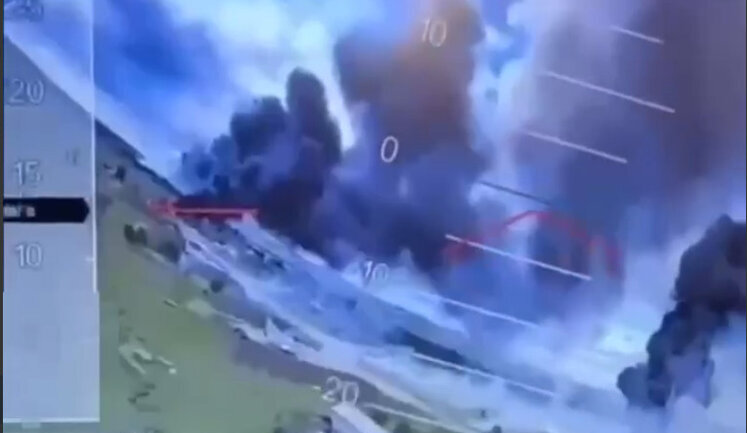
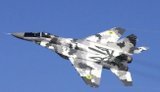 MiG-29 crashes during combat mission in Odesa region: pilot ejects On the evening of 10 August 2026, an Air Force MiG-29 fighter jet was lost while carrying out a combat mission. The pilot ejected. 8 370 48 Previously in trend: Ukraine lost aircraft
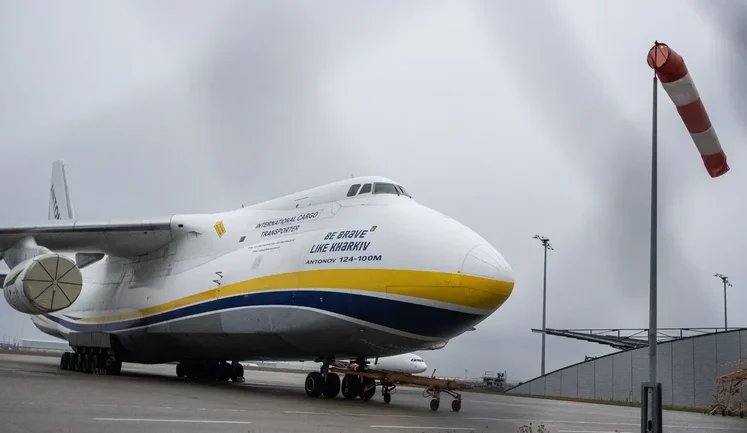
 Ukrainian aircraft near which drone was found in Leipzig was carrying ammunition A Ukrainian cargo aircraft near which a drone carrying explosives was found at Leipzig/Halle Airport was carrying ammunition. 7 231 40 Previously in trend: Russian subversions in EU Russian sabotage
 Drone containing explosives was found near Ukrainian An-124 at Leipzig Airport: police suspect sabotage, - Bild. PHOTO On the night of 5 August, operations at Leipzig Airport were temporarily suspended. The cause of the flight delays was an unidentified object discovered near the runway. 4 959 9 Previously in trend: Russian sabotage
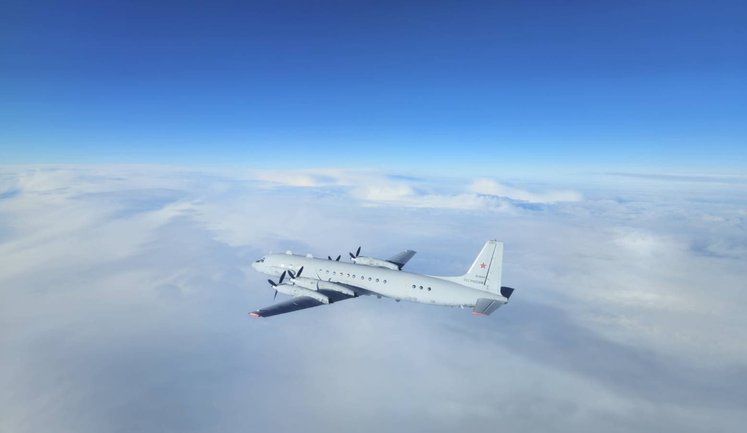
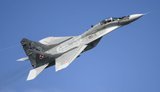 Polish fighter jets intercept Russian reconnaissance aircraft for second time in two days, Polish Defense Minister Kosiniak-Kamysz says Polish fighter jets intercepted a Russian Il-20 reconnaissance aircraft near NATO airspace for the second time in two days. Warsaw described Russia’s actions as yet another provocation and an attempt to test the Alliance’s readiness. 854 23 Previously in trend: interception of Russian aircraft
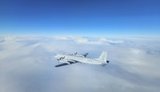 Poland intercepts Russian reconnaissance aircraft over Baltic Sea: It was flying with transponder off. PHOTO Polish F-16 fighter jets intercepted a Russian Il-20 reconnaissance aircraft over the Baltic Sea. The aircraft was flying in international airspace without a flight plan and with its transponder switched off. 1 701 9 Previously in trend: interception of Russian aircraft
Kyiv sent "concrete proposal" to Warsaw regarding MiG-29, - Polish Ministry of Defense Polish Deputy Minister of Defense Paulina Sobkowiak-Czarniecka reported that Ukraine has proposed transferring drones in exchange for MiG-29 fighter jets. A decision on the deal could be made within a few weeks. 3 287 25 Previously in trend: Ukraine’s need for Polish MiG-29s
 Ukraine has sent letter to Poland expressing its interest in continuing negotiations on MiG-29, - Kosiniak-Kamysz The Minister of Defence of Poland, Władysław Kosiniak-Kamysz, stated that the Ukrainian side had sent a letter to Warsaw expressing interest in acquiring Polish MiG-29 aircraft in exchange for unmanned technology. 1 049 11 Previously in trend: Ukraine’s need for Polish MiG-29s
 Poland is ready to transfer MiG-29 fighter jets to Ukraine in exchange for drone technology, but time is running out, says Kosiniak-Kamysz The Minister of Defence of Poland, Władysław Kosiniak-Kamysz, has stated that Warsaw is still considering the transfer of MiG-29 fighter jets to Ukraine, which Bulgaria is also seeking. A condition of the deal is that Ukraine transfers modern drone technology. Kosiniak-Kamysz noted that this... 3 474 119 Previously in trend: Ukraine’s need for Polish MiG-29s
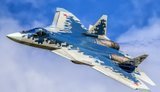 Russian Su-57 in Moscow region shot down by own air defence after system hack – InformNapalm. DOCUMENT As a result of cyber interference and cognitive influence on the air defence crew of the BARS Moscow special formation, Ukrainian intelligence services managed to intercept the enemy’s combat-operation algorithms and direct the Russian system’s fire against its own aircraft, a fifth-generation... 19 157 46 Previously in trend: Russia lost aircraft
 Russian Su-57 crashed in Moscow region, - Russian media. PHOTOS A military aircraft has crashed in the Moscow region. 11 181 37 Previously in trend: Russia lost aircraft
 Ukraine has significantly strengthened its air defense, and Russian fighter jet was destroyed for first time by Ukrainian F-16 in air battle, - US General Caine. VIDEO Over the past few years, Ukraine has significantly strengthened its multi-layered air defense system thanks to the development of its own defense industry and support from its allies. 10 715 5 Previously in trend: Development of air defence in Ukraine
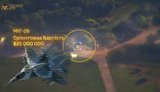 Fighters from "Black Forest" brigade struck MiG-29 aircraft and "Pantsir-S1" air defence system at Khalino airfield in Kursk region. VIDEO The 15th Separate Artillery Reconnaissance Brigade ‘Black Forest’ successfully carried out an effective operation at the ‘Khalino’ military airfield in the Kursk Region of the Russian Federation. 4 819 9 Previously in trend: Destruction of Russian equipment The destruction of a Russian plane
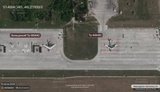 Satellite images have confirmed destruction of enemy Tu-95 at Engels airfield. PHOTO Satellite images have captured the destruction of a Russian Tu-95 aircraft at theEngels airfield in the Saratov Region of the Russian Federation. 9 896 91 Previously in trend: Russia lost aircraft
 Poland may transfer MiG-29s to Bulgaria if it fails to reach agreement with Ukraine, - Former Defense Minister Onyszkiewicz Should Kyiv and Warsaw be unable to agree on the terms for the transfer of the MiG-29 fighter jets, Bulgaria could become their potential recipient. 3 127 82 Previously in trend: Ukraine’s need for Polish MiG-29s Poland and Ukraine relationship
 Ukraine and Poland have resumed negotiations on transfer of MiG-29s: Kyiv is requesting aircraft, equipment, and documentation Ukraine and Poland have resumed consultations on the possible transfer of Polish MiG-29 fighter jets. At the same time, the Ukrainian side is seeking not only the aircraft themselves, but also a full set of equipment and technical resources required for their maintenance and operation. 4 871 27 Previously in trend: Ukraine’s need for Polish MiG-29s Poland and Ukraine relationship
 SSU destroyed Russian Tu-95 military aircraft in Engels, – Zelenskyy. VIDEO The SSU has destroyed a Tu-95 military aircraft in Engels, Russia, which the Russian Federation had been using to launch missile strikes against Ukraine. 12 185 32 Previously in trend: The destruction of a Russian plane Striking Russia
 Polish aircraft intercept Russian planes over Baltic for third consecutive day Polish Defence Minister Wladyslaw Kosiniak-Kamysz said Polish aircraft had been scrambled to intercept Russian military aircraft for the third consecutive day. 2 021 11 Previously in trend: Russian provocations in Europe
 NGU special forces destroy Russian Su-24M at airfield in occupied Crimea. VIDEO Combat divers from the Omega Special Operations Centre of the National Guard of Ukraine (NGU) destroyed a Russian Su-24M bomber at the Saky military airfield in temporarily occupied Crimea. 7 312 24 Previously in trend: The destruction of a Russian plane
 Ukraine to receive 16 modern aircraft with support from UK and Sweden – Starmer UK Prime Minister Keir Starmer announced a new support package for Ukraine during his visit to Kyiv. London and Sweden will jointly allocate €300 million to supply 16 modern aircraft that will help strengthen the protection of Ukrainian airspace. 3 109 14 Previously in trend: New aircraft for Ukraine Fighter jets supply to Ukraine
 Ukrainian MiG-29 fighter jet has destroyed Russian "Geran-3" jet-powered UAV. VIDEO A video has been published online showing the destruction of an aerial target in Ukrainian airspace. A pilot of a MiG-29 fighter jet from the Ukrainian Air Force detected and, with a precision strike, shot down a Russian ‘Geran-3’ jet-powered strike and reconnaissance UAV. 7 296 15 Previously in trend: AFU aviation
 Russian Su-35 shot down, - Air Force (updated) Today, July 8, 2026, the Defense Forces shot down an enemy aircraft. 17 514 40 Previously in trend: Russia lost aircraft
 Crew of An-28 aircraft destroys Russian Shahed with Minigun machine gun during nighttime attack. VIDEO Footage has been published online showing the crew of a Ukrainian An-28 anti-drone aircraft destroying a Russian Shahed-type attack drone. 6 308 18 Previously in trend: Shooting down Shaheds
Poland disposes of MiG-29 fighters promised to Ukraine after refusal to share drone technology The Ministry of Defense of Poland has decided to gradually phase out its MiG-29 fighter jets, which Warsaw had promised to send to Ukraine in exchange for drone technology; however, the deal fell through. 19 119 219 Previously in trend: Ukraine’s need for Polish MiG-29s Poland and Ukraine relationship
Page 1 of 23
more news