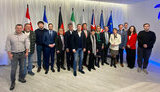
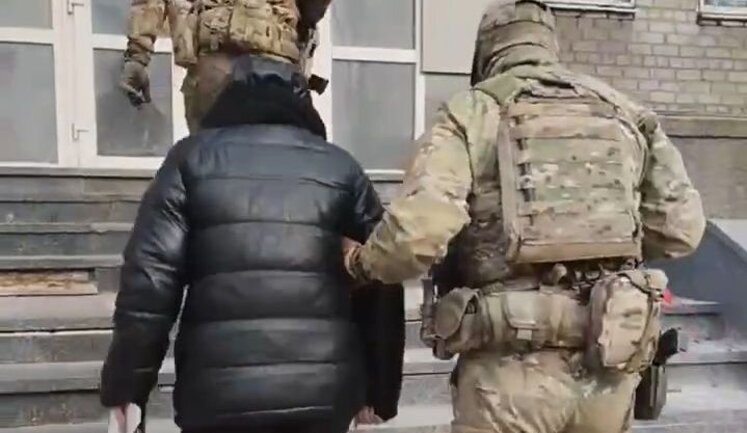
Freedom of speech remains a pivotal issue in Ukraine's path towards Euro-Atlantic integration. G7 ambassadors highlight the importance of press freedom for Ukraine's NATO progress. However, challenges persist, including reports of the Presidential Office attempting to block advertisements on Ukrainska Pravda, signaling concerns over media censorship. Recent detentions in Mariupol for pro-Ukrainian social media activity further illustrate these complex dynamics. Meanwhile, Ukraine has improved its standings, moving from 106th to 79th in the press freedom rankings, indicating progress. Despite these advancements, systemic pressures and potential restrictions on platforms like Telegram continue to evoke debates on media freedom and the balance of security in Ukraine.
Why is freedom of the press important for Ukraine?
Freedom of the press in Ukraine is crucial for ensuring transparency, accountability, and progress towards Euro-Atlantic integration. It strengthens democratic institutions and supports Ukraine's journey towards NATO membership by upholding democratic values shared by member countries.
What challenges does freedom of speech face in Ukraine?
Challenges to freedom of speech in Ukraine include governmental pressure on media outlets, attempts to control advertisement revenues, and detentions for pro-Ukrainian content in occupied territories. These issues highlight ongoing censorship and the need for robust protections for journalists and media professionals.
How has Ukraine's press freedom ranking changed recently?
Ukraine has made notable improvements in press freedom, moving from 106th to 79th place globally. This advancement reflects efforts to enhance media freedom, though significant challenges remain in balancing security concerns and protecting journalistic integrity.
What role does the G7 play in Ukraine's media freedom?
The G7 emphasizes the importance of media freedom in Ukraine as essential for its European integration and NATO aspirations. It supports Ukraine's efforts to uphold democratic principles and encourages the resolution of press freedom challenges.
What actions have Ukrainian authorities taken regarding Telegram?
Ukrainian authorities have expressed the desire to find ways to ban Telegram due to concerns over its use, although the National Security and Defence Council sees it as impossible. This highlights the tension between security measures and freedom of information.
Have any major media outlets criticized the Ukrainian government?
Major media outlets in Ukraine, such as Ukrainska Pravda, have criticized the government's attempts to interfere with advertisement distribution. These actions have sparked discussions about media independence and governmental influence in Ukraine.