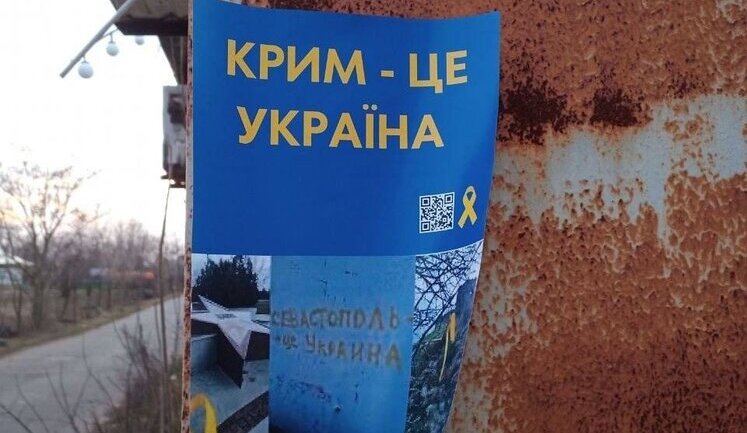
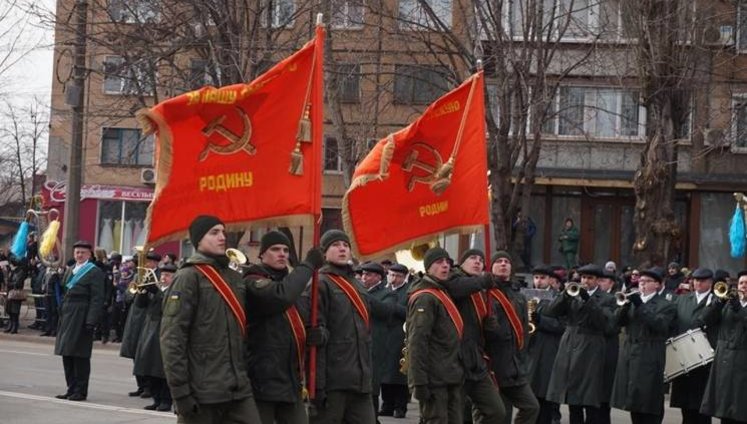
In a symbolic move, President Volodymyr Zelenskyy has authorized the adoption of new insignias, including an emblem and flag, for Ukraine's Foreign Intelligence Service. This decision arrives amidst widespread controversy surrounding various symbols in the region. In Crimea, activists in Sevastopol and Feodosia marked Russian insignia as a gesture showcasing that Crimea remains part of Ukraine. Elsewhere, Lithuanian and Moldovan border authorities have intervened to prevent the passage of goods adorned with Russian military symbols. Overnight, Ukrainian authorities in Odesa unraveled plans to destabilize the region, finding weapons and prohibited insignias linked to Russian operatives. Across Ukraine, there is a legislative push to outlaw certain symbols that represent aggression from neighboring states. These actions emphasize the ongoing tensions and efforts to preserve national identity amidst external pressures.
How has Ukraine reacted to foreign symbols within its borders?
Ukraine has taken legislative and law enforcement measures to address foreign symbols within its borders. Authorities have seized symbols deemed threatening or representing foreign aggression, and the government is working to ban symbols associated with other countries' military and political ideologies. This is part of Ukraine's broader effort to protect its sovereignty and assert its national identity.
What prompted the change in insignias for Ukraine's intelligence service?
The change in insignias for Ukraine's Foreign Intelligence Service was likely prompted by a desire to modernize and reinforce Ukrainian national identity amidst ongoing conflicts. The approval by President Zelenskyy signifies a strategic move to unify and strengthen state symbols during a period of regional tension and national redevelopment.
What actions have been taken against Russian symbols in Ukraine?
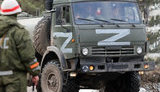
Ukraine has implemented legislative bans on certain Russian symbols, such as the "Z", "V", and "O" insignias, linked to military aggression. In addition, Ukrainian activists and authorities have worked to remove these symbols from public spaces, reinforced by law enforcement efforts to thwart symbolic gestures that represent foreign occupation or influence.
Why are insignias important in geopolitical conflicts?
Insignias serve as powerful symbols of national identity and political allegiance in geopolitical conflicts. They can represent state power, cultural heritage, or military might. As such, they often become focal points in conflicts where asserting dominance or reclaiming national identity is central to the parties involved. The use or misuse of insignias can provoke strong emotional reactions and political responses.
How do border controls manage items with contentious symbols?
Border controls manage items with contentious symbols by adhering to national laws and international protocols prohibiting the entry or export of goods bearing controversial insignias. Customs and border guard units actively search for and confiscate such items to prevent foreign propaganda and preserve national security. These actions are crucial in supporting state efforts to address unwanted influence and prevent destabilization.