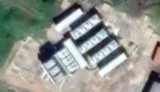
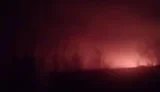
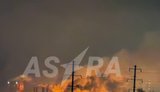
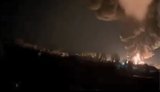
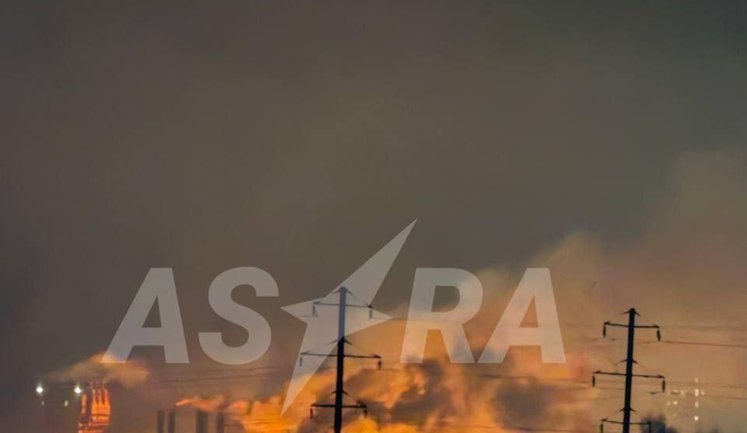
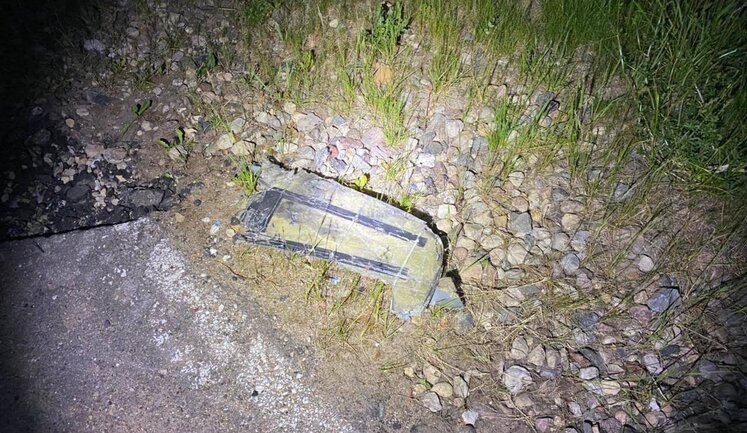
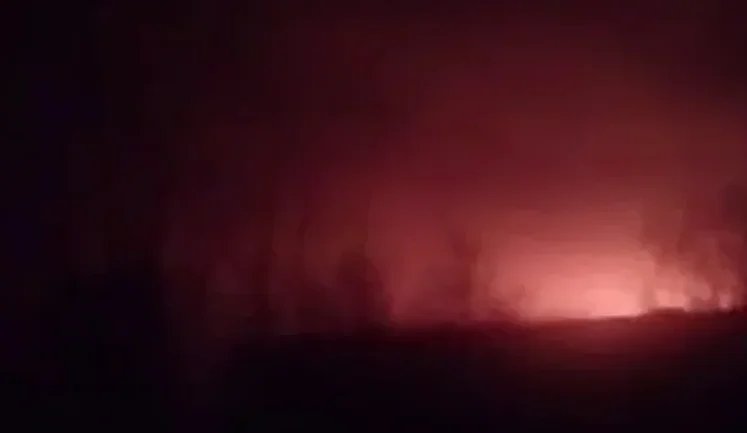
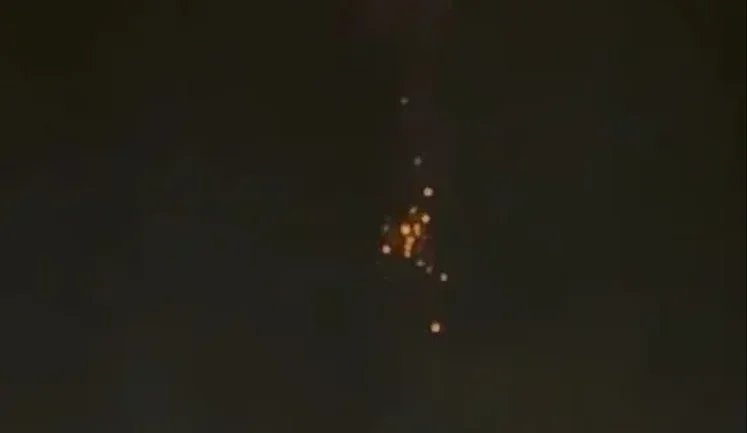
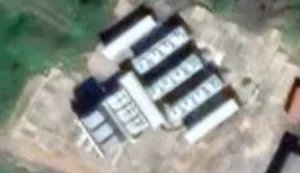
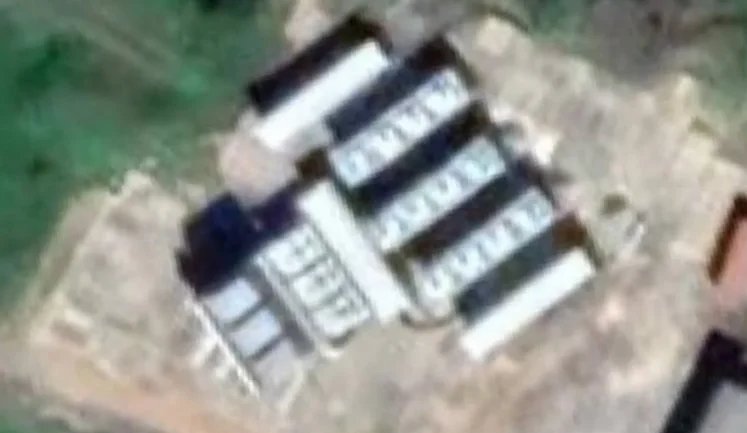
Recent attacks in the Smolensk region have highlighted the ongoing tension involving drone strikes. A sequence of drone assaults has targeted critical sites such as the Dorogobuzh nitrogen fertiliser plant and the Yartsevskaya oil depot. These incidents resulted in major fires, prompting swift actions from local air defense systems. The complex airspace engagements extend as far as 13 regions, including interventions by Russian air defenses. This surge in drone activity underscores strategic vulnerabilities and prompts questions about regional security measures in Smolensk and beyond.
What recent events have occurred in the Smolensk region?
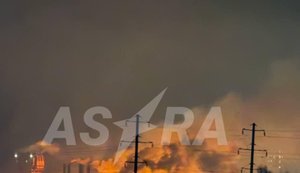
The Smolensk region has faced multiple drone attacks targeting locations such as the Dorogobuzh nitrogen fertiliser plant and the Yartsevskaya oil depot. These have led to significant fires and prompted air defense actions.
How has Russia responded to the drone attacks in Smolensk?
Russia has employed air defense systems in reaction to drone attacks across multiple regions, including Smolensk. The Ministry of Defence reported shooting down numerous UAVs and mitigating additional threats.
What impact have these drone attacks had on civilian infrastructure in Smolensk?
The drone attacks have severely impacted civilian infrastructure in Smolensk. Incidents include a large fire in a high-rise residential block, disruption at local industries, and potential risks to public safety and environmental security.
Are there any historical incidents related to Smolensk that are noteworthy?
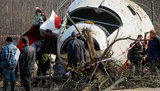
A significant historical incident near Smolensk was the 2010 plane crash involving Polish President Lech Kaczynski. The tragedy has been attributed to external intervention, causing international tension and political discussions.
What was the outcome of the drone attack on the Dorogobuzh fertiliser plant?
The drone attack on the Dorogobuzh nitrogen fertiliser plant led to significant fires, which caused substantial damage to the facility. The incident is part of a wider pattern of drone-related aggressions in the region.
Why is Smolensk a focal point for drone attacks against Russia?
Smolensk is strategically significant due to its infrastructure, including critical sites such as oil depots and industrial plants. These make it a target for operations intended to disrupt Russian economic and logistical capabilities.
What measures are in place to prevent further drone attacks in Smolensk?
Russian authorities have increased air defense operations to intercept and neutralize drone threats. Enhanced surveillance and emergency response protocols are part of efforts to safeguard Smolensk and nearby regions from future attacks.