The Council of Europe is actively engaging in significant global and Ukrainian issues. Recently, a high-level delegation led by Secretary General Alain Berset visited a Kyiv CHP plant, highlighting the ongoing tension due to Russian attacks. Additionally, Greece's signing of the Council's reparations convention and the EU's approval of a €90 billion aid package for Ukraine underscores their support. President Zelenskyy continues discussions with European leaders, emphasizing the need for utilizing Russian assets to aid Ukraine's recovery. The Council of Europe remains crucial in addressing the geopolitical landscape shaped by Russia's actions against Ukraine, underscoring Europe's commitment to Ukrainian stability.
What recent actions has the Council of Europe taken regarding Ukraine?
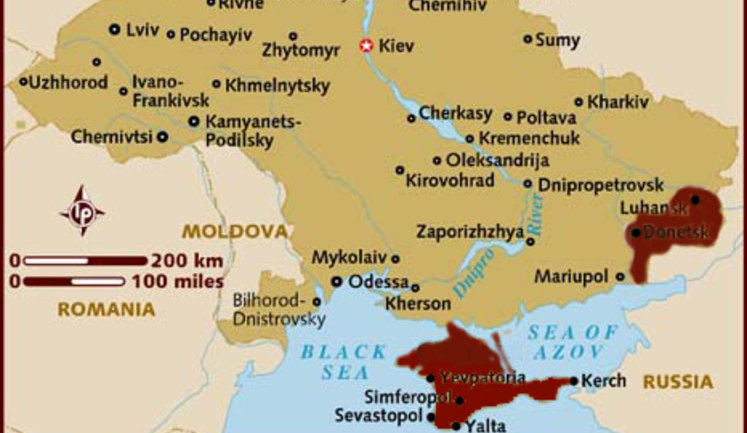
Recently, the Council of Europe has been active in addressing the conflict in Ukraine. Notably, Secretary General Alain Berset visited Kyiv to survey damage from Russian attacks. The EU is also preparing a €90 billion aid package to support Ukraine. Moreover, they established a reparations convention acknowledging damages caused by Russian aggression. These efforts highlight the Council's dedication to supporting Ukraine and ensuring stability in the region amidst ongoing geopolitical tensions.
How is the Council of Europe responding to Russian actions in Ukraine?
The Council of Europe is responding robustly to Russian aggression in Ukraine by facilitating aid and promoting legal frameworks. They have initiated a reparations convention and approved substantial financial aid through the EU to support Ukraine. Furthermore, they are advocating the usage of frozen Russian assets for Ukrainian recovery. This multi-faceted approach aims to mitigate the effects of Russian aggression and support Ukraine’s path to recovery, reflecting the Council's commitment to European security and cooperation.
What financial measures are being undertaken by Europe for Ukraine?
Europe is intensively supporting Ukraine financially to counter Russian aggression and aid recovery. The European Union has approved a significant €90 billion aid package for 2026-2027, aimed at bolstering the Ukrainian economy and enhancing defense capabilities. Additionally, discussions are ongoing regarding the use of frozen Russian assets to further support Ukrainian recovery initiatives. These financial measures underscore a comprehensive European commitment to Ukraine's stability and development, crucial amidst ongoing conflict.
What is the significance of the Council of Europe’s reparations convention for Ukraine?
The Council of Europe's reparations convention is pivotal for Ukraine, establishing an International Compensation Commission for damages resulting from Russian aggression. This initiative signals a formal acknowledgment of the impacts of the conflict on Ukraine and provides a structured mechanism for addressing reparations. The convention also demonstrates solidarity among European nations and sets a precedent for international cooperation in conflict resolution and compensation, reinforcing legal frameworks for peace and justice in Europe.
How is Ukraine collaborating with the European Council to address the ongoing conflict?
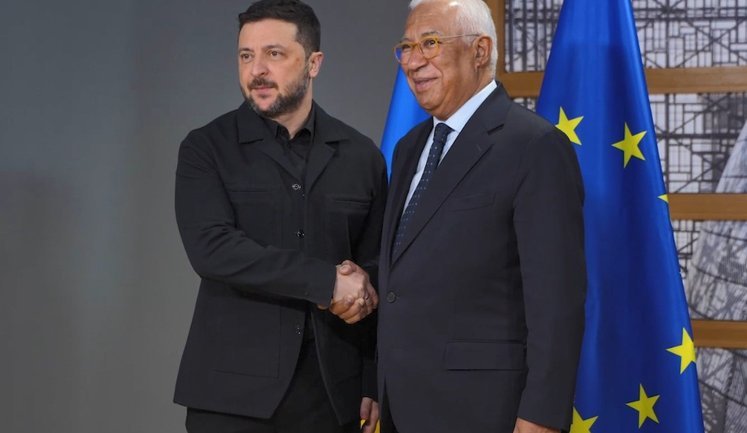
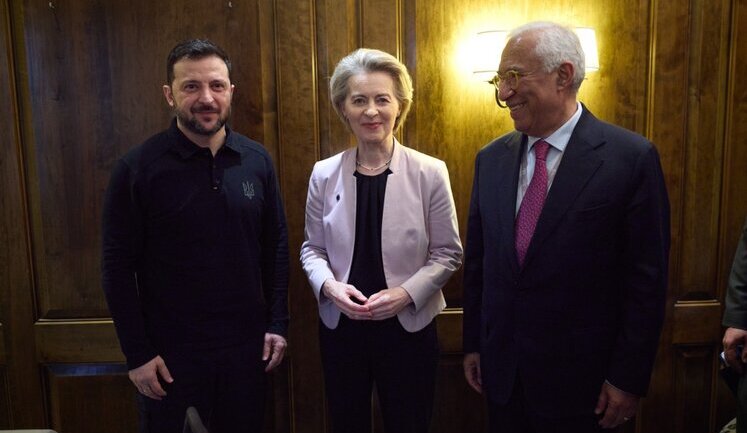
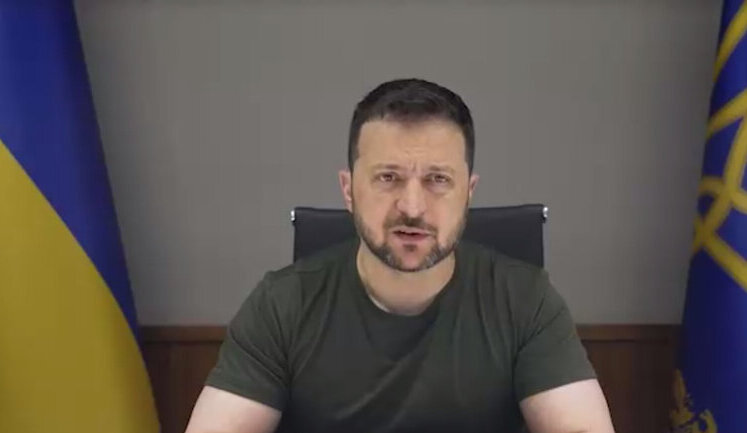
Ukraine is actively collaborating with the European Council, notably through high-level meetings and strategic discussions led by President Volodymyr Zelenskyy. Ukraine seeks to leverage European support to reinforce its defense capabilities and economic resilience, amid Russian aggression. Collaborative efforts include pushing for quick resolutions on utilizing frozen Russian assets as well as discussing additional financial and military support. These collaborations are vital for Ukraine's strategy to achieve peace and stability, reflecting a unified European response to the challenges posed by the ongoing conflict.