The construction landscape in Europe is witnessing significant activity with Poland forging ahead on its first nuclear power plant, having secured EU approval and state funding. Similarly, Ukraine is planning advancements in energy efficiency with its intention to build small nuclear reactors as replacements for coal-fired plants. Beyond these developments, construction activities within Ukraine face obstacles, highlighted by controversies involving construction documentation concealment in Kozyn and illicit uses of military personnel for private projects. Meanwhile, Poland is bolstering its defense production with the establishment of new artillery shell manufacturing plants. The construction sector is pivotal to economic growth and modernization across the continent, yet it is equally vulnerable to legal and ethical challenges that must be navigated judiciously.
What are the key building projects underway in Poland?
Poland is actively pursuing several significant building projects, including the construction of its first nuclear power plant which has recently received European Commission approval and state aid funding. Additionally, the country is expanding its defense manufacturing capabilities with the construction of three factories dedicated to the production of 155 mm NATO standard artillery shells. These projects highlight Poland's commitment to advancing its energy independence and strengthening its defense infrastructure in collaboration with NATO standards, reflecting a focused developmental strategy.
How is Ukraine addressing its energy needs through new constructions?
Ukraine is strategically addressing its energy requirements by planning to construct small nuclear reactors. This initiative aims to phase out coal-fired power plants, aligning with the nation's goal of boosting energy sustainability and reducing reliance on less environmentally friendly energy sources. The Ministry of Energy in Ukraine has established a working group to facilitate this transition, marking a forward-looking approach to modernizing its energy infrastructure and enhancing national energy security through innovative solutions and international cooperation.
What controversies surround the construction sector in Ukraine?
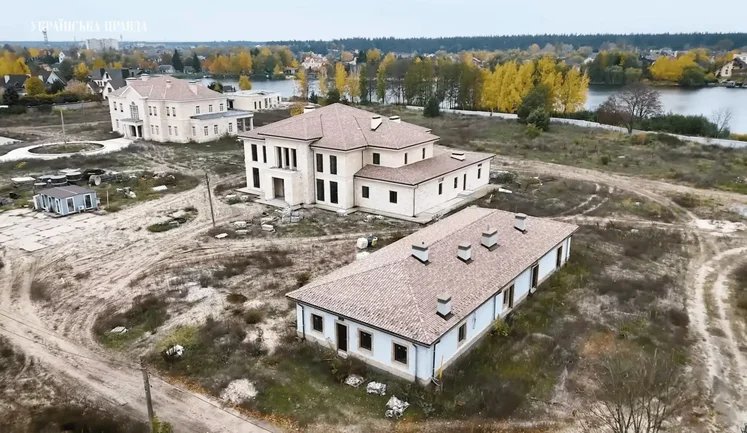
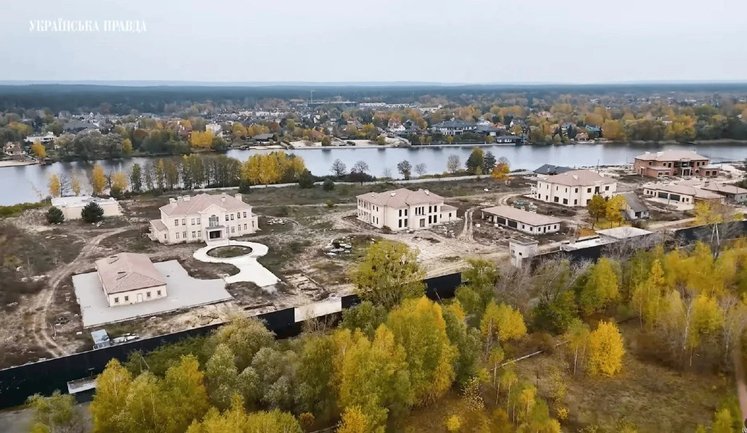
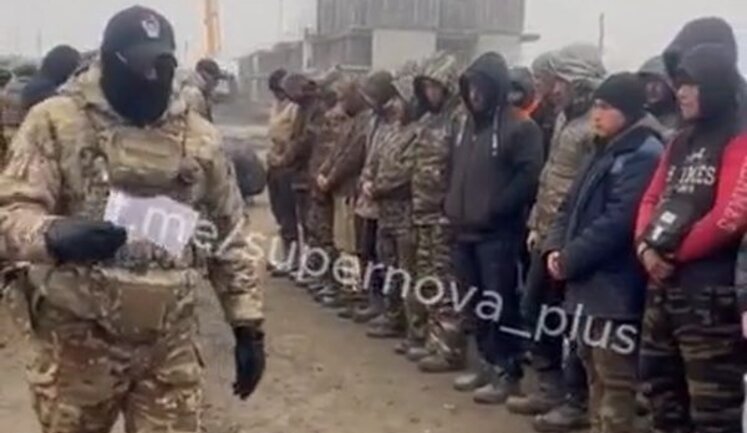
The construction sector in Ukraine is currently embroiled in several controversies, particularly involving issues related to corruption and abuse of power. Notable incidents include attempts by influential figures to conceal documentation about estate constructions in Kozyn and allegations of military personnel being used for private construction projects. These episodes underscore persistent challenges within the industry, necessitating tighter regulatory oversight and transparency measures to ensure that construction practices adhere to ethical standards and legal frameworks, thus upholding public trust.
How is Poland enhancing its defense capabilities through building projects?
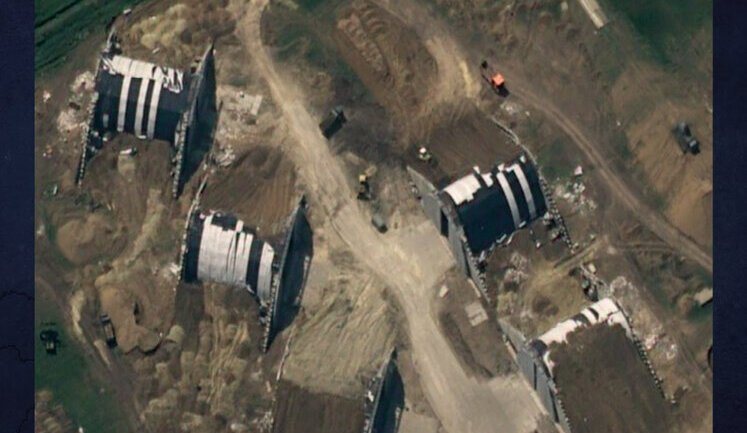
Poland is actively enhancing its defense capabilities through the establishment of three state-of-the-art manufacturing plants designed to produce artillery shells that meet NATO standards. This initiative is part of a broader strategy to augment Poland's military readiness and technological prowess, aligning with international defense protocols. These facilities will not only contribute to national security but also bolster Poland's industrial capacity, generating economic benefits and advancing technological development within the defense sector to meet contemporary security challenges.
What are the implications of new construction in conflict zones like Ukraine and Crimea?
Building projects in conflict zones such as Ukraine and Crimea carry significant implications for regional stability and international relations. In Ukraine, the ongoing construction of military and civilian infrastructure is critical for ensuring resilience against external aggressions. Conversely, in Crimea, Russian-led constructions, like the new Russian navy flagship being built, heighten tensions and highlight geopolitical disputes. These activities impact diplomatic engagements, necessitating careful international oversight and dialogue to address underlying conflicts and work towards peaceful, sustainable development in the region.
How is new building legislation impacting the construction industry in Ukraine?
Recent legislative reforms in Ukraine aim to curb corruption and enhance transparency in the construction sector. The introduction of mandatory pricing disclosures for construction materials in public procurements seeks to close significant legal loopholes and hold state contractors accountable. Such measures are vital for modernizing the industry, fostering fair competition, and attracting foreign investment by creating a stable economic environment where integrity and compliance are prioritized. This proactive legislative approach reflects Ukraine’s commitment to aligning with EU standards and improving the governance of its construction industry.