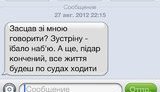
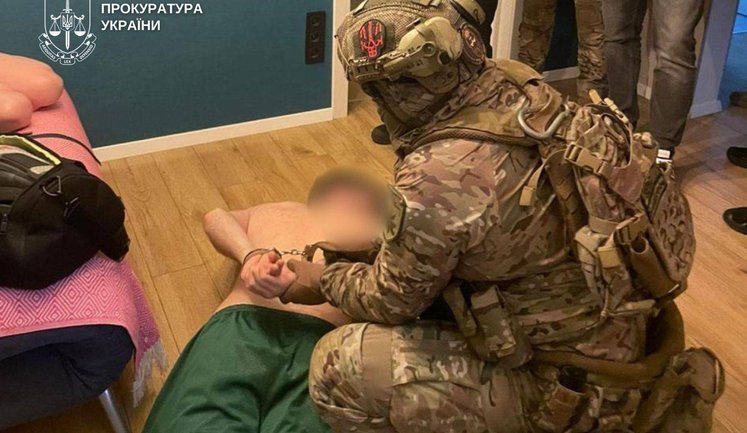
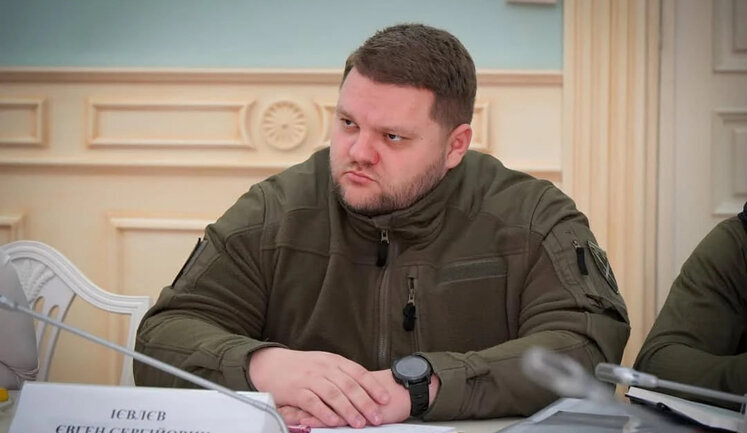
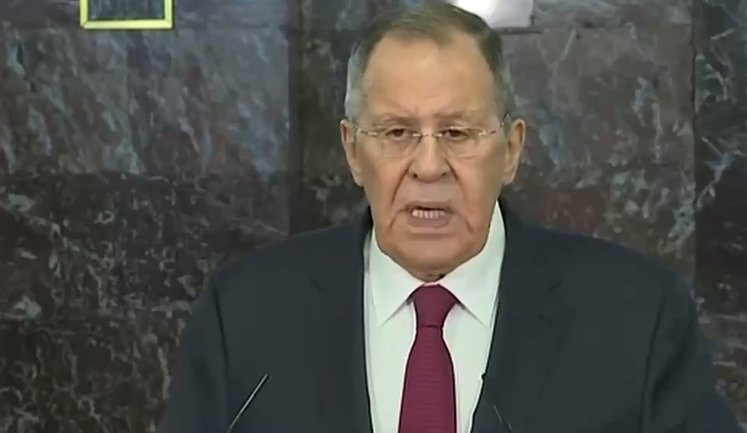
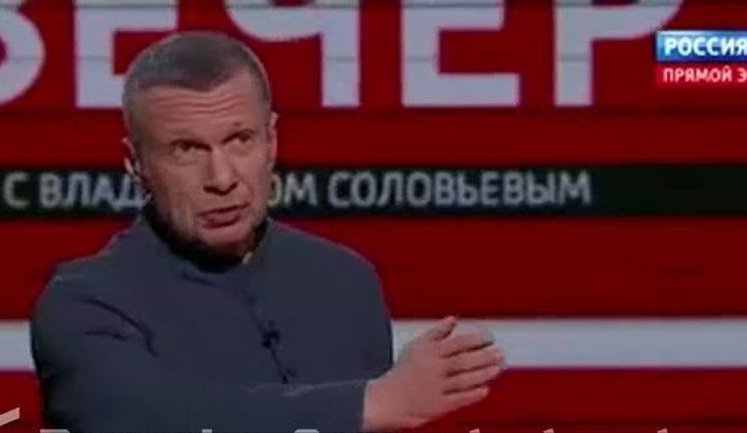
In the current geopolitical climate, Ukraine is grappling with a series of threats from various international and domestic actors. The Ukrainian Foreign Ministry has condemned Iran's threats as absurd, while Belarus's Lukashenko warns of missile attacks using the Russian "Oreshnik" system. Russian propagandists, including Solovyov, advocate for aggressive actions against the EU and Ukraine, intensifying regional tensions. Furthermore, personal threats circulate within the country, with allegations from civilians and state personnel highlighting a perilous environment. As Ukraine navigates these challenges, it remains steadfast with international alliances that continually denounce Russia's destabilizing maneuvers.
What are the major threats currently facing Ukraine?
Ukraine is confronted by a multitude of threats originating from foreign powers such as Iran, which has made provocative statements, and Belarus, whose leader threatens military aggression. Domestically, incidents of personal threats and intimidation are reported amid ongoing regional instability exacerbated by Russia's strategic posturing.
How has Ukraine's Foreign Ministry responded to threats from Iran?
The Ukrainian Foreign Ministry has taken a firm stance against Iranian threats, labeling them as absurd. This response underscores Ukraine's position against unfounded aggressive rhetoric while emphasizing the country's commitment to maintaining its sovereignty and diplomatic protocols.
What is the significance of the "Oreshnik" missile system in current threats?
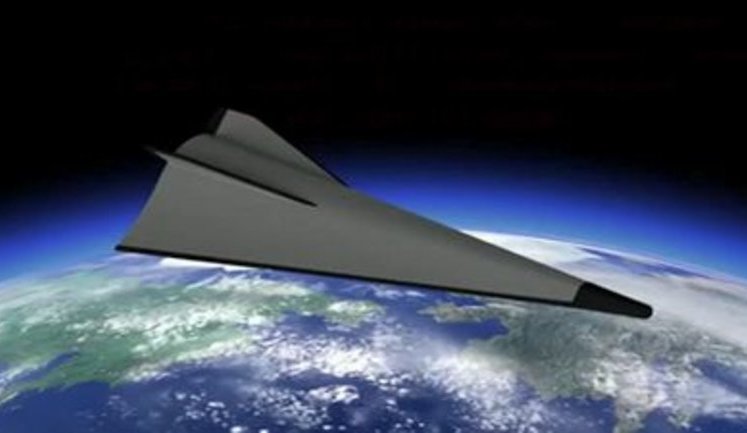
The "Oreshnik" missile system, mentioned in threats by Belarus's Lukashenko, represents a significant military tool capable of regional disruption. Its strategic deployment on Belarusian territory is a factor in escalating tensions, with potential implications for Ukraine and NATO allies in proximity.
Who are the key figures involved in propagating threats against Ukraine and its allies?
Individuals such as Belarusian leader Alexander Lukashenko and Russian propagandist Vladimir Solovyov are pivotal in disseminating threatening rhetoric. Their statements aim to destabilize Ukraine and intimidate NATO countries, drawing attention from international communities committed to regional security.
What measures is Ukraine taking to counter internal and external threats?
Ukraine employs a multifaceted approach to addressing threats, including reinforcing diplomatic dialogue with international partners, enhancing military readiness, and investigating domestic incidents of intimidation. The country's official responses aim to mitigate risks and ensure national and regional stability.
What role do propagandists like Solovyov play in the current threat landscape?
Propagandists such as Vladimir Solovyov play a crucial role by amplifying hostile narratives to incite fear and sow discord. Their broadcasts often contain exaggerated or extreme threats against Ukraine and the EU, thus serving as a tool for psychological warfare and geopolitical posturing by the Kremlin.
How is the international community responding to threats against Ukraine?
The international community, particularly Ukraine's Western allies, supports Ukraine through diplomatic backing and potential military aid. They condemn aggressive postures from adversaries and call for restraint to prevent escalation, signaling an ongoing solidarity with Ukrainian sovereignty and security.