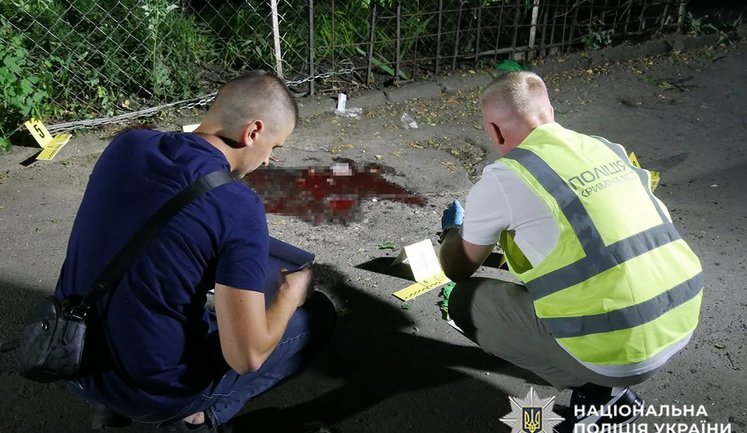
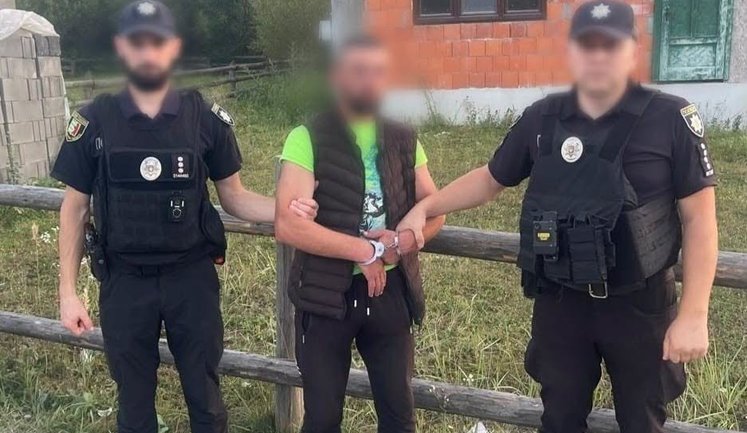
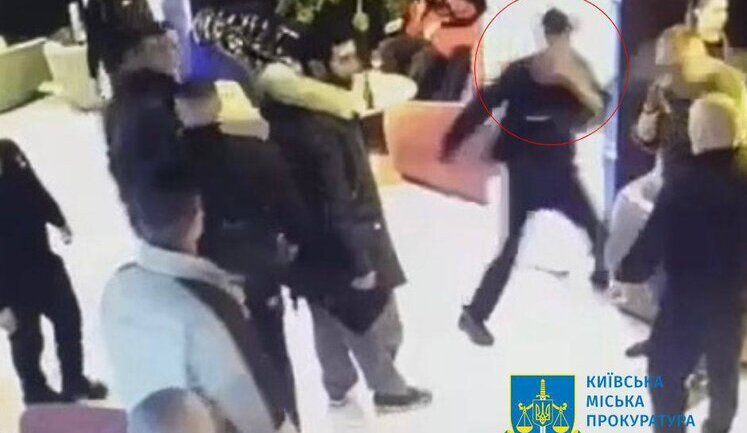
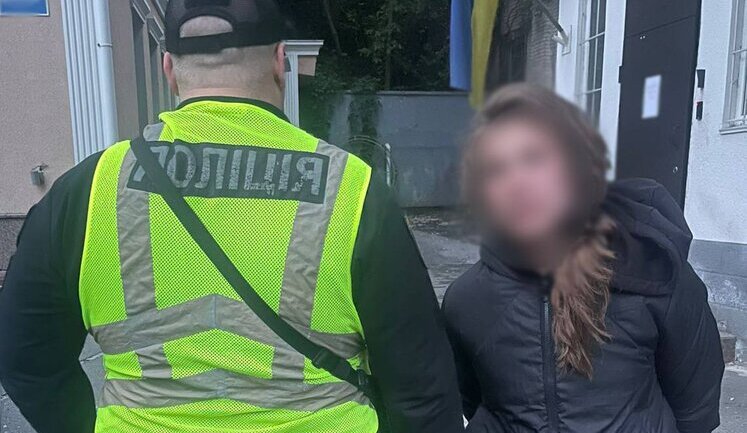
The phenomenon of hooliganism in Ukraine is marked by a series of serious incidents, from explosions to acts of vandalism, which often lead to significant legal actions against perpetrators. In Khmelnytskyi, a man was sentenced to 3.5 years for detonating a grenade that cost him his arm and injured a passer-by. Similarly, in Zakarpattia, a soldier faces up to 7 years for throwing a grenade near a shop. Acts of violence, like the attack on the Lviv Mayor with an unidentified liquid, and vandalism, such as the defacing of fallen soldiers' portraits in Kyiv, underscore the societal challenges posed by hooliganism. Legal responses vary, but they aim to curb these disruptions and restore peace in affected communities.
What are some notable cases of hooliganism in Ukraine?
Significant cases include grenade detonations in Khmelnytskyi and Zakarpattia, vandalism at Heroes' Alley in Kyiv, and the assault on Lviv Mayor Andrii Sadovyi. These incidents have led to detention and legal proceedings, highlighting the country's ongoing challenges with hooliganism.
What legal actions are taken against hooliganism in Ukraine?
Legal actions in Ukraine against hooliganism range from detention to lengthy imprisonment, depending on the severity of the act. For instance, individuals involved in grenade incidents or violent acts can face several years of imprisonment, as evidenced by recent sentences in Khmelnytskyi and Zakarpattia.
How does hooliganism impact communities in Ukraine?
Hooliganism can significantly disrupt public peace, causing fear among residents and leading to injuries. In high-profile cases, such as bombings or vandalism in public spaces, it can lead to increased policing and societal tension, impacting community well-being and security perception.
What are the common targets of hooligans in Ukraine?
Hooligans in Ukraine frequently target public figures, such as mayors, monuments dedicated to fallen soldiers, and even public transport systems. These acts of violence and vandalism often aim to provoke public sentiment and highlight broader societal issues.
Are there recurring patterns in hooliganism incidents?
Yes, recurring patterns include the use of explosive devices, vandalism of national symbols or properties, and public disturbances aimed at political or social figures. These often result in legal ramifications and highlight underlying social tensions in the region.
What are the repercussions for injuring others during hooligan acts?
Injuring others during acts of hooliganism leads to severe legal consequences, including charges of causing bodily harm and possible lengthy prison sentences. The justice system in Ukraine aims to address these acts with severe penalties to deter future occurrences.