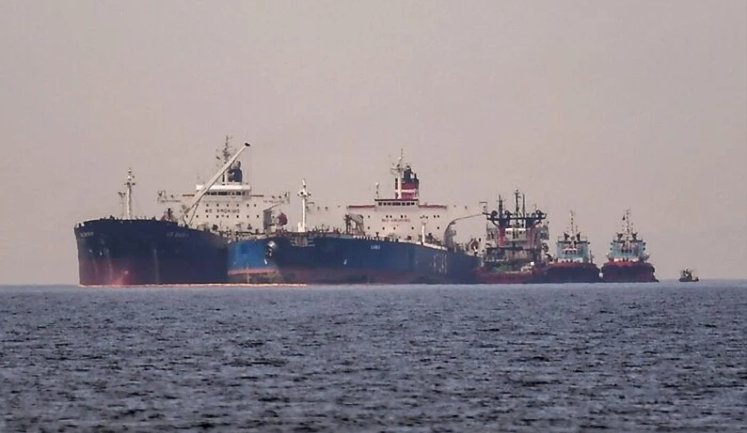
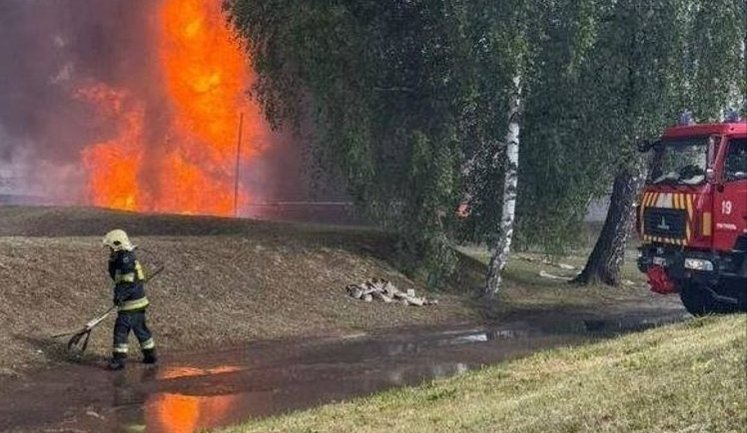
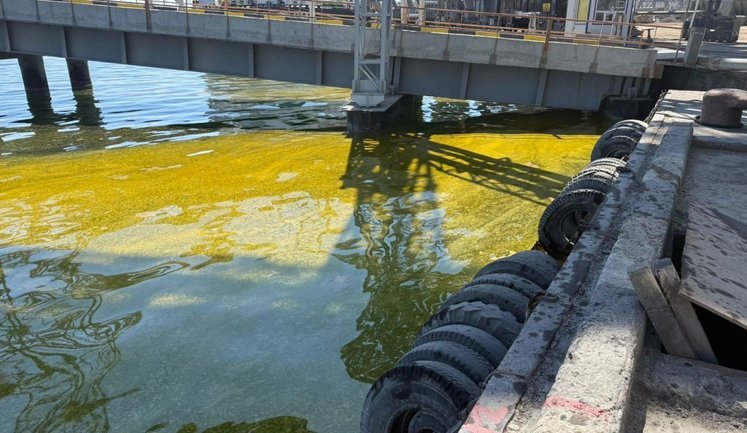
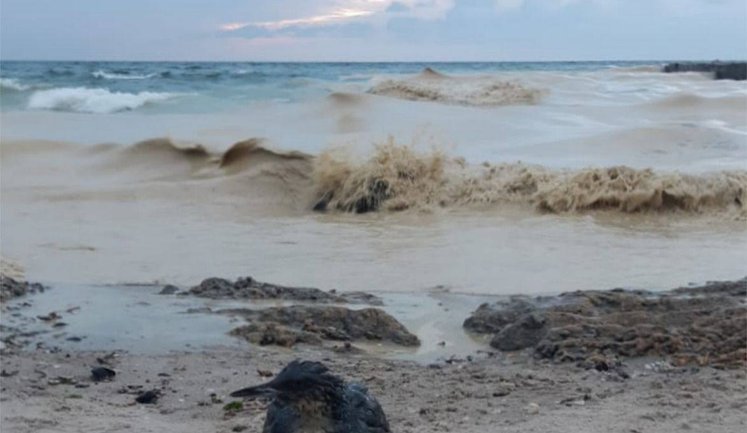
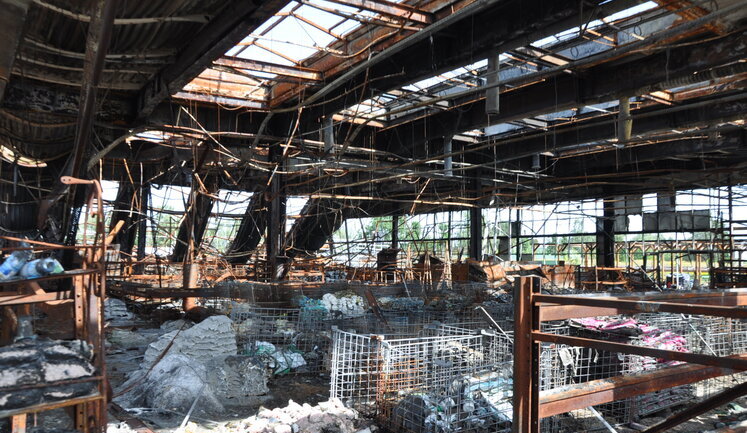
The ecology in Ukraine continues to face severe challenges due to the ongoing war. Military operations have resulted in significant environmental damage, with pollution from attacks on facilities like the Rivne region and shelling in Odesa causing massive oil slicks. Inhabitants of areas affected are experiencing deteriorating living conditions, notably along Russia's Black Sea coast, now plagued by fuel oil spills. The disruption extends to Ukraine's protected areas, where ecological damage is progressing. Efforts are underway to monitor air and water quality, comply with international eco-standards, and establish accountability for ecological crimes. Resilience and cooperation on environmental recovery highlight Ukraine's commitment, in collaboration with European nations, to overcoming these challenges and restoring its ecology effectively.
How has the war in Ukraine impacted the environment?
The war in Ukraine has led to widespread environmental degradation, including pollution from oil spills, destruction of forests and nature reserves, and disruption of ecosystems. These have resulted in hazardous conditions for both people and wildlife, requiring urgent intervention and restoration efforts to mitigate long-term damage.
What environmental measures are being taken in the Rivne region?
In response to military attacks in the Rivne region, comprehensive environmental monitoring efforts are in place to assess air and water quality. Despite damages, there currently appears to be no immediate threat to the environment, thanks to the proactive measures implemented by rescue workers and environmental authorities.
What are the ecological implications of oil spills in Odesa?
The oil spills in Odesa, resulting from nearby military actions, have caused severe marine pollution, threatening aquatic life and impacting local fisheries and tourism. The contamination underscores the need for robust clean-up operations and strategies to prevent further environmental damage in coastal regions.
How is climate change being addressed amidst the conflict in Ukraine?
Despite the challenges, Ukraine is committed to addressing climate change by adopting international eco-standards and monitoring environmental impacts. Efforts include certifications of sustainable development and cooperation with global entities to integrate environmental recovery into post-war planning effectively.
Are there legal consequences for ecological crimes during the war?
Yes, Ukrainian authorities are actively pursuing legal actions against those responsible for war-related environmental damage. This includes investigations by environmental prosecutors and criminal proceedings for violations against natural resources, aimed at accountability and long-term ecological restoration.
What role does international cooperation play in Ukraine's environmental efforts?
International partnerships are crucial for Ukraine's environmental efforts, as collaborative initiatives with countries like Germany and Bulgaria aim to document ecological crimes and develop comprehensive recovery plans. These alliances enhance resource sharing, expertise, and global support for Ukraine's ecological restoration.