ENG




13874 visitors online
The ecology in Ukraine continues to face severe challenges due to the ongoing war. Military operations have resulted in significant environmental damage, with pollution from attacks on facilities like the Rivne region and shelling in Odesa causing massive oil slicks. Inhabitants of areas affected are experiencing deteriorating living conditions, notably along Russia's Black Sea coast, now plagued by fuel oil spills. The disruption extends to Ukraine's protected areas, where ecological damage is progressing. Efforts are underway to monitor air and water quality, comply with international eco-standards, and establish accountability for ecological crimes. Resilience and cooperation on environmental recovery highlight Ukraine's commitment, in collaboration with European nations, to overcoming these challenges and restoring its ecology effectively.
How has the war in Ukraine impacted the environment?
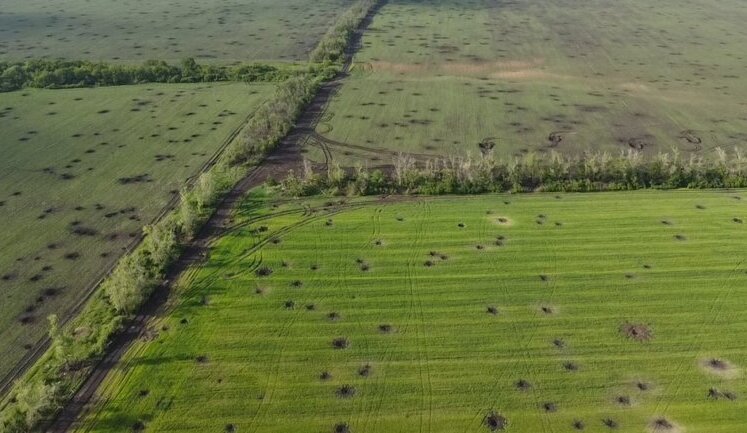
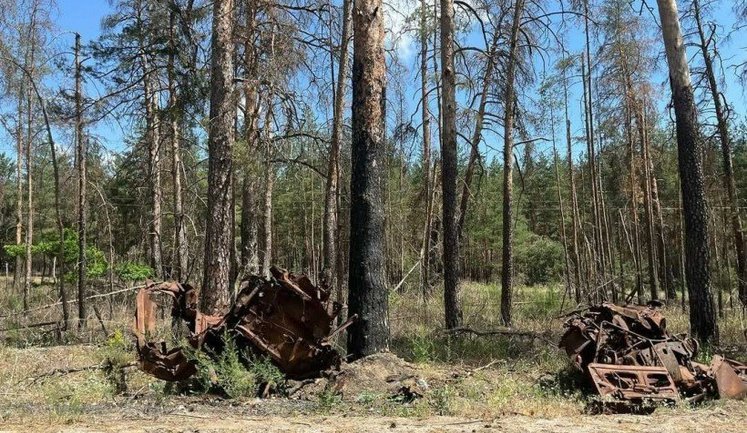
The war in Ukraine has led to widespread environmental degradation, including pollution from oil spills, destruction of forests and nature reserves, and disruption of ecosystems. These have resulted in hazardous conditions for both people and wildlife, requiring urgent intervention and restoration efforts to mitigate long-term damage.
What environmental measures are being taken in the Rivne region?
In response to military attacks in the Rivne region, comprehensive environmental monitoring efforts are in place to assess air and water quality. Despite damages, there currently appears to be no immediate threat to the environment, thanks to the proactive measures implemented by rescue workers and environmental authorities.
What are the ecological implications of oil spills in Odesa?
The oil spills in Odesa, resulting from nearby military actions, have caused severe marine pollution, threatening aquatic life and impacting local fisheries and tourism. The contamination underscores the need for robust clean-up operations and strategies to prevent further environmental damage in coastal regions.
How is climate change being addressed amidst the conflict in Ukraine?
Despite the challenges, Ukraine is committed to addressing climate change by adopting international eco-standards and monitoring environmental impacts. Efforts include certifications of sustainable development and cooperation with global entities to integrate environmental recovery into post-war planning effectively.
Are there legal consequences for ecological crimes during the war?
Yes, Ukrainian authorities are actively pursuing legal actions against those responsible for war-related environmental damage. This includes investigations by environmental prosecutors and criminal proceedings for violations against natural resources, aimed at accountability and long-term ecological restoration.
What role does international cooperation play in Ukraine's environmental efforts?
International partnerships are crucial for Ukraine's environmental efforts, as collaborative initiatives with countries like Germany and Bulgaria aim to document ecological crimes and develop comprehensive recovery plans. These alliances enhance resource sharing, expertise, and global support for Ukraine's ecological restoration.
News ecology
 Critical situation on Dniester: Ukraine and Moldova to reduce water releases Ukraine and Moldova have agreed to reduce water releases from the Dniester Integrated Hydropower Complex. 4 338 5 Previously in trend: Problems with water supply
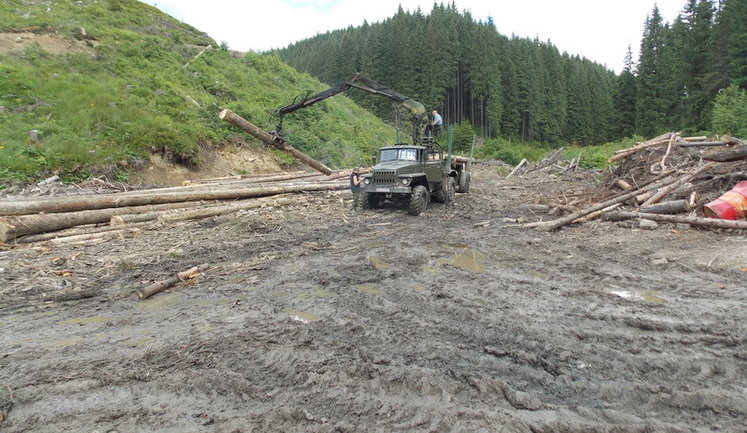
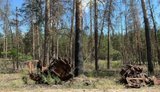 War has destroyed almost third of forests in "Holy Mountains" National Park in Donetsk region, - RMA. PHOTOS As a result of Russia’s full-scale aggression, around 80 per cent of the territory of the ‘Holy Mountains’ National Nature Park in the Donetsk region has been affected by hostilities, and almost a third of its forests have already been destroyed. 1 077 6 Previously in trend: Situation in the Donetsk region
 Air quality deteriorates in Kyiv and Kyiv region – SES A temporary deterioration in air quality has been recorded in Kyiv and the Kyiv region. According to preliminary forecasts, the situation may improve as early as 1 July as the wind direction changes. 710 4 Previously in trend: air pollution
 Russia’s shadow fleet: over half of tankers in critical condition, - Financial Times A significant proportion of the tankers in Russia’s shadow fleet are dilapidated and pose a risk of a major oil spill and an environmental disaster. 3 258 32 Previously in trend: Russia’s shadow fleet
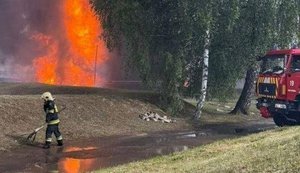
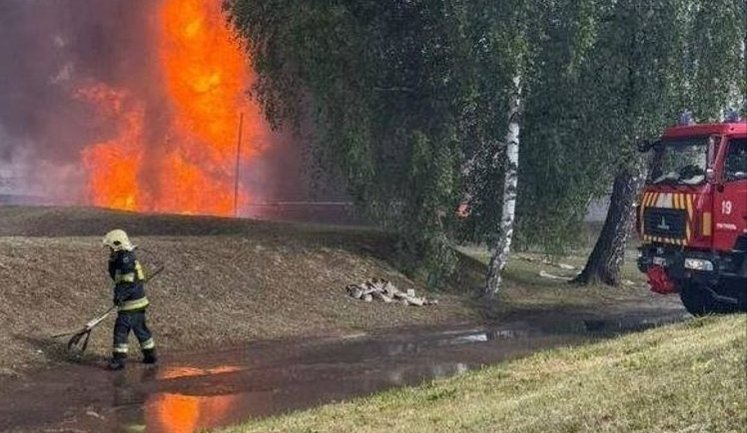
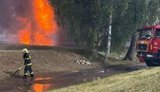 Consequences of Russian attack on facility in Rivne region: no threat to environment. PHOTO Rescue workers are continuing to deal with the aftermath of this morning’s attack on the Rivne region. 1 851 0 Previously in trend: Shelling of Rivne region
 Holidaymaker in Tuapse, caked in fuel oil, climbs out of water: "I’ve had enough of this f#cking sea!!! White sand, you say?". VIDEO The environmental situation on the Black Sea coast of the aggressor country continues to deteriorate rapidly, turning the local beaches into a man-made disaster zone. According to Censor.NET, an eloquent video has appeared online from the resort town of Tuapse (Krasnodar Krai, the Russian... 19 741 53 Previously in trend: Striking Russia
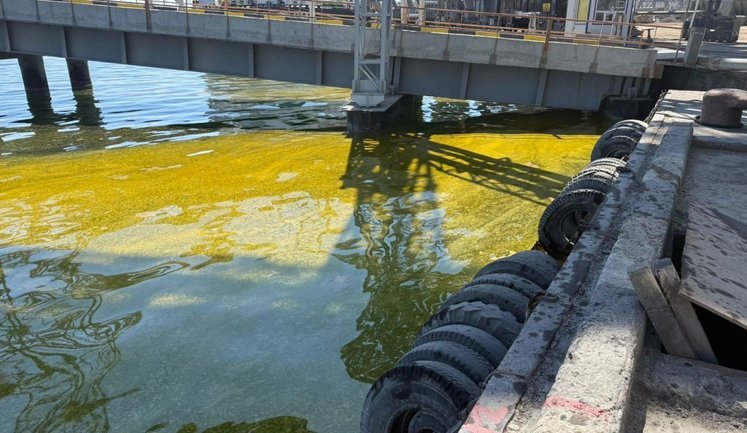
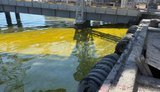 Giant oil slick appeared in sea off Odesa region following Russian strike. PHOTOS Following the shelling of Chornomorsk, a large-scale spill of sunflower oil occurred in the port’s waters, forming a large oil slick in the sea. 2 703 9 Previously in trend: Shelling of Odessa region
 Russian woman cries and complains about "special military operation" in Tuapse: "Sea is f#cking full of fuel oil. Those f#cking drones are destroying everything! You don’t know if you’ll wake up alive!". VIDEO The constant attacks on military facilities and oil refining infrastructure in the Krasnodar Krai of the Russian Federation are having an increasingly severe impact on the morale and psychological well-being of the local population. A video has emerged online showing a resident of Tuapse in... 18 156 110 Previously in trend: Striking Russia
 Bukovel has implemented international eco-standards, as well as water and air monitoring, - shareholder Zakhar Palytsia Bukovel has published a sustainable development report for 2025 year, which contains environmental indicators and initiatives being implemented at the resort. 1 313 14
 Environmental pollution in Odesa region due to enemy attack: investigative and environmental measures are ongoing, - Office of Prosecutor General. PHOTOS Prosecutors from the department for combating crimes committed in armed conflict, together with environmental prosecutors from the Odesa Regional Prosecutor's Office, are conducting procedural supervision in criminal proceedings for war crimes (Part 1 of Article 438 of the Criminal Code of Ukraine). 862 1 Previously in trend: Oil spill in the Black Sea
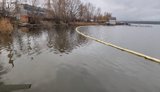 Fuel oil spill recorded in Southern Bug near Ladyzhyn TPP. PHOTOS In the Vinnytsia region, an oil spill was recorded in the Southern Bug water area near the Ladyzhyn Thermal Power Plant. 2 101 1 Previously in trend: Fuel oil spill in Southern Bug
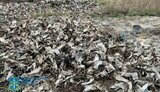 Polluting land with animal carcasses: businessmen and farmer to be tried in Dnipropetrovsk region. PHOTOS Two co-founders of private enterprises and a farmer from the Dnipropetrovsk region who contaminated the land with the carcasses of dead animals will be tried. 6 443 2
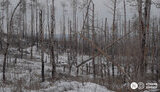 Environmental damage from war in Ukraine could reach €72 billion, - German scientists As a result of the war, 25,000 hectares of forest have been burned, and 220 nature reserves are under threat of destruction or have been completely destroyed. Almost a million more hectares of forests and land in Ukraine are mined. 667 4
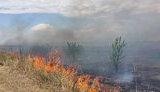 Environmental damage caused by Russia in Luhansk region amounted to almost UAH 600 billion. INFOGRAPHICS As a result of Russia's armed aggression, the nature of the Luhansk region of Ukraine has suffered damage worth almost UAH 600 billion. 683 3
 100 tons of oil have already been taken from Southern Bug, and leakage will be repaired for another 10 days Measures to eliminate oil leakage into the Southern Bug are underway in Mykolaiv. The relevant services have installed booms and have already taken more than 100 tons of vegetable oil from the river. 1 639 2
 Accident of two Russian tankers in Kerch Strait threatens environmental disaster - Greenpeace The accident in the Kerch Strait of two Russian tankers caught in a storm on December 15 resulted in more than 4,000 tons of fuel oil and other oil products spilling into the water. Greenpeace environmentalists say this could have serious environmental consequences. 8 761 42
 Ukraine blocks Russia’s participation in Water Convention Bureau During a meeting of the 10th Meeting of the Parties to the Convention on the Protection and Use of Transboundary Watercourses and International Lakes, Ukraine blocked Russia's participation in the Water Convention Bureau. 5 367 9
 Prosecutor’s Office opens proceedings over destruction of nature on protected Obolon Island in Kyiv During the construction of the Wave Bridge on the protected Obolon Island, about 200 centuries-old trees and about 1000 bushes were cut down illegally or under illegal documents. 6 944 68
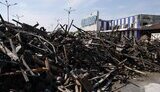 Russian strike on Kharkiv’s Epicentr causes over UAH 860 million in environmental damage The environmental damage caused by the Russian attack on the Epicentr in Kharkiv on 25 May is estimated at over UAH 860 million. 1 196 3 Previously in trend: Russian aggression against Ukraine War
 Ministry of Environmental Protection and Natural Resources has launched EcoThreat app: you can find out about air quality and report eco-crimes The Ministry of Environmental Protection and Natural Resources of Ukraine has launched the EcoThreat web resource and app. It allows users to find out about the state of the environment and report environmental damage. 1 692 8
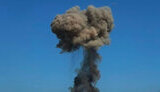 Yesterday’s massive shelling caused over UAH 325 million in damage to Ukraine’s environment The estimated amount of environmental damage in four regions of Ukraine caused by Russia’s armed attack on 8 May is over UAH 325 million. 1 023 5
 Shelling of Trypillia TPP: environmental prosecutors document environmental damage. PHOTO Prosecutors from the Specialised Environmental Prosecutor’s Office, together with experts from the State Environmental Inspectorate, are investigating the extent of possible environmental damage caused by the shelling of the Trypillia TPP. 1 841 9
 Environmental prosecutors establish environmental consequences of Russian shelling of Trypillia TPP. PHOTOS Prosecutors of the Specialised Environmental Prosecutor’s Office of the Kyiv Regional Prosecutor’s Office, in cooperation with other specialists, are working to establish the extent of the environmental damage caused by the shelling of the Tripillya TPP by the Russian armed forces. 1 636 3
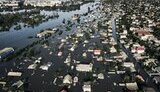 Russia caused 2.2 trillion hryvnias of damage to environment of Ukraine - Shmyhal Since the beginning of the full-scale invasion, the enemy has caused 2.2 trillion UAH of damage to the Ukrainian environment. 761 7 Previously in trend: War
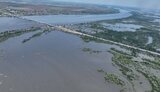 Ukraine and Bulgaria to cooperate in restoring Ukrainian environment Ukraine and Bulgaria will implement joint projects to restore the Ukrainian environment. 1 635 6
 Russian invaders destroyed entire steppe area of Dzharylhach National Park and two wetlands of international importance The war affected more than 20% of nature-oriented areas of Ukraine: 812 objects of the nature reserve fund. 3 006 7 Previously in trend: War
 Germany will help Ukraine collect evidence of Russian environmental crimes Germany will provide support to Ukraine in gathering evidence about Russian environmental crimes. The relevant Memorandum of Cooperation was signed by the Ministry of Environmental Protection and Natural Resources and the German company PricewaterhouseCoopers (PwC). 373 0
 Russians plan to build three landfills in occupied territories of Ukraine to store waste - National Resistance Centre The occupiers are worsening the environmental situation in the occupied territories of Ukraine by continuing to build landfills to serve the regions of the Russian Federation. 30 111 33
Over past 2.5 months, amount of damage to environment has increased by almost $1.5 billion, - Ministry of Environment Over the past 2.5 months, the amount of environmental damage caused by a full-scale war has increased by almost $1.5 billion and now stands at $57 billion. 700 1 Previously in trend: Russian aggression against Ukraine War
 Eco-activist Greta Thunberg arrived in Ukraine as part of International Group on Environmental Consequences of War President of Ukraine Volodymyr Zelensky held a meeting with members of the International Working Group on the Environmental Consequences of War. 6 996 119
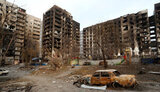 As result of war, 10-12 million tons of garbage were created in Ukraine, - Ministry of Environment Approximately 10-12 million tons of garbage have been generated in Ukraine since the beginning of the full-scale invasion of Russia. This is approximately as much as the amount of solid household waste generated in the country in a year. However, the final figure will be known only after the de-occupation of all territories. 1 632 14 Previously in trend: War
 Russia’s blow up of Kakhovka HPP caused damage to environment for more than 1.5 billion euros, - Prokudin Oleksandr Prokudin, the head of the Kherson RMA, took part in an on-site meeting of the Committee of the Verkhovna Rada of Ukraine on Environmental Policy and Nature Management. According to the committee, the estimated amount of damage to the environment due to Russia’s detonation of the Kakhovka HPP already amounts to more than 1.5 billion euros 565 8 Previously in trend: Russian aggression against Ukraine War
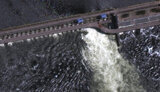 Consequences of blowing up Kakhovka HPP may be drainage of reservoir, contamination of water and disappearance of flora and fauna, - Scientist Scientists of the Department of Aquatic Bioresources and Aquaculture of the Kherson State Agrarian and Economic University conducted preliminary calculations of the consequences of the destruction of the Kakhovka HPP dam. 10 491 53 Previously in trend: War
 As result of full-scale invasion of Russian Federation, almost third of area of Ukraine was contaminated with explosive objects. INFOGRAPHICS Thousands of criminal proceedings have been initiated in the sphere of the natural environment, hundreds of war crimes against the environment, facts of ecocide have been exposed. And also - billions worth of damage to nature as a result of Russian armed aggression. 1 019 1
 Russians are destroying Kinburn Peninsula: up to 4 million trees have been damaged by fires During the year of full-scale invasion, 131 fires were recorded on the Kinburn Peninsula, affecting more than 5 thousand hectares of the park. Most of the fires were repeated and affected the same area several times. 4 318 10
 There is no chemical danger in Pavlohrad, - RMA As of May 2, there is no chemical hazard in the territory of Pavlohrad in the Dnipropetrovsk region. 3 685 10 Previously in trend: War
Damages from war crimes of Russian Federation against environment of Luhansk region amount to more than 475 billion hryvnias, - RMA Based on the data obtained by the State Environmental Inspection in Luhansk region, since the beginning of hostilities, the occupiers have partially destroyed the forest fund of Luhansk region on an area of more than 26,000 hectares. The total amount of damage from this is more than 180 billion hryvnias. 452 2 Previously in trend: Russian aggression against Ukraine
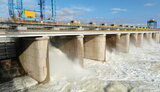 Russia continues descent of water from Kakhovka Reservoir: drop of another 1.83 m will lead to disaster, - Ecology Minestry. INFOGRAPHICS Ukraine calls on international partners to force Russia to repair and close the locks of the Kakhovka HPP dam or allow Ukrainian specialists to do it safely 23 568 52 Previously in trend: War
Russians purposefully commit ecocide by draining Kakhovka reservoir, - Vereshchuk Deputy Prime Minister - Minister for Reintegration of the Temporarily Occupied Territories Iryna Vereshchuk emphasizes that the Russian invaders are deliberately and purposefully draining the Kakhov reservoir. 8 041 68 Previously in trend: War
 3 million hectares of forests destroyed as result of Russian shelling in Ukraine, - Zelensky Russian shelling in Ukraine has destroyed 3 million hectares of forests. 1 992 25 Previously in trend: War
 Occupiers at ZNPP are destroying important ecological component of plant’s work As a result of the stoppage of the power units of the station, warm water does not enter the cooling pond of the ZNPP, as a result of which the water temperature dropped to about +13 degrees. 3 082 8 Previously in trend: Russian aggression against Ukraine War
 Russian aggression caused more than $36 billion damage to Ukrainian ecology, - Minister Stryles Environmental damage in Ukraine caused by Russian invasion is estimated at over $36 billion euros, and millions of hectares of nature reserves are under threat. 755 3 Previously in trend: Russian aggression against Ukraine War
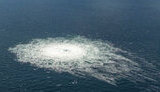 Gas leak from "Nord Stream 2" has stopped, - Danish Energy Agency The gas pressure in the damaged "Nord Stream-2" has stabilized. 6 494 18
 Leak from "Nord Stream" is largest one-time release of methane, - UN Leaks in the Nord Stream gas pipeline system in the Baltic Sea have led to the largest ever recorded release of climate-damaging methane. 4 354 26
 Kyiv has the dirtiest air in world due to smog. INFOGRAPHICS The Ukrainian capital recorded the highest level of air pollution among all cities in the world. 6 173 22
 Dolphins are dying in Odesa due to actions of Russians, - ecologist Rusev. PHOTOS Five dead dolphins were found in the Tuzlovsk estuary park. They died because of sonar devices of the Russian military. 5 423 21 Previously in trend: War
 In occupied Berdiansk there was leak of fuel oil into sea, - City Council. VIDEO In Berdiansk, temporarily occupied by Russia, fuel oil was spotted in the sea area near the port. 4 562 6 Previously in trend: War
 In Chernihiv, ecologists recorded crimes of Russian Federation for lawsuit in international court. PHOTOS Today, August 22, a group of ecologists visited the Chernihiv region, where they conducted an examination and photo and video recording of environmental crimes committed by the Russian occupation forces. 4 991 9 Previously in trend: War
Page 1 of 2
more news