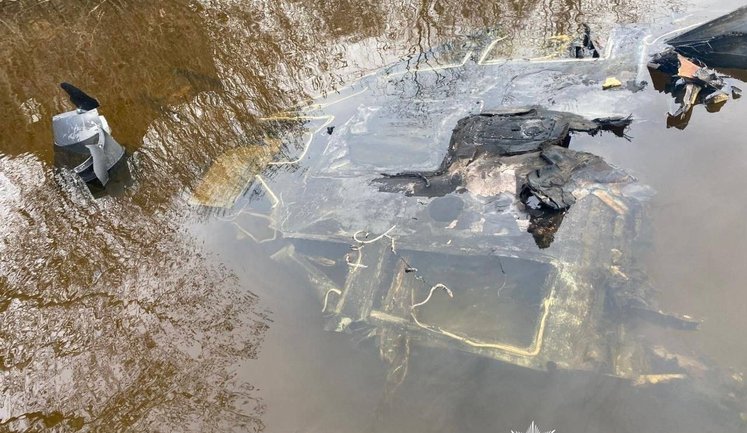
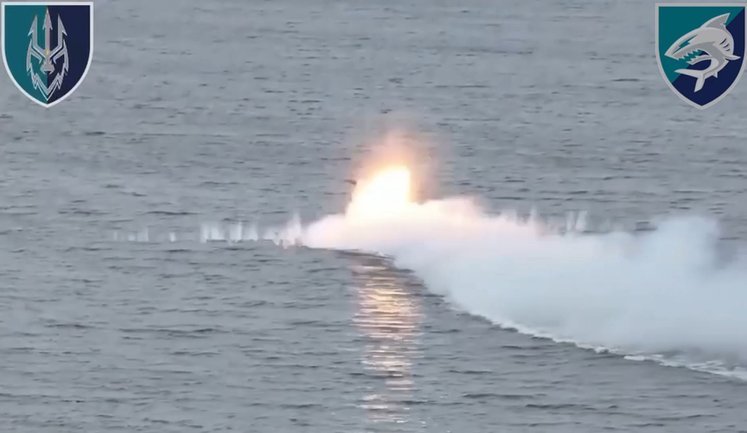
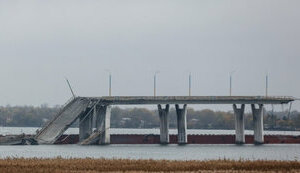
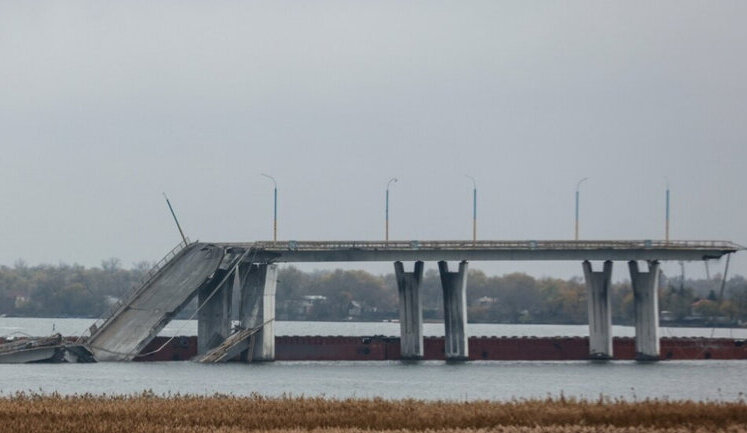
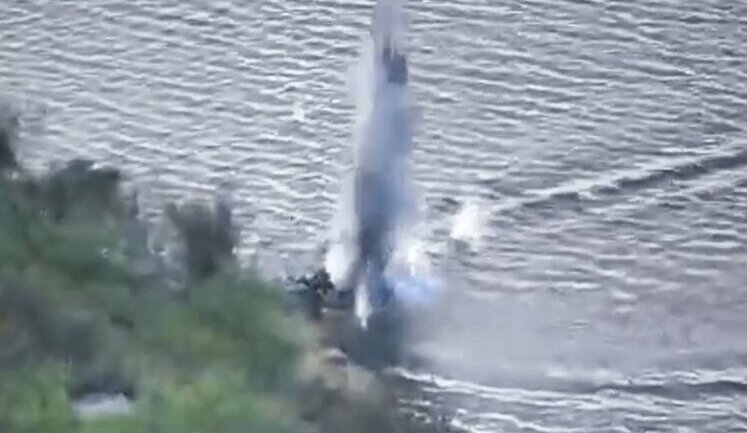
The Dnipro River remains a focal point in the ongoing conflict between Ukrainian forces and Russian occupiers. Recent reports highlight the intensified efforts by Russian troops to gain control over strategic positions along the river. The 40th Brigade of the Ukrainian Navy recently destroyed a Russian boat, preventing an enemy advance. Meanwhile, the Antonivskyi bridge near Kherson has become a critical flashpoint, with Russian forces attempting to seize control of its railroad part. Ukrainian defenders have successfully repelled multiple attempts to capture islands in the Dnipro floodplain. Despite constant attempts by enemy forces to cross the river, Ukrainian troops maintain control over most of the islands, demonstrating resilience and strategic prowess in the face of persistent aggression. The Dnipro River thus continues to be a crucial battleground, with both sides vying for dominance in this strategically significant region.
Why is the Dnipro River strategically important in Ukraine?
The Dnipro River holds significant strategic importance as it traverses through key regions, including Kherson. Controlling the river enables access to strategic transport routes and geographic advantages in military operations. It acts as a natural barrier and a potential line of advancement for military operations by both Russian and Ukrainian forces, underlining its tactical value in the ongoing conflict.
What recent events have occurred at the Antonivskyi bridge near Kherson?
The Antonivskyi bridge near Kherson has witnessed intense military activity as Russian forces have intensified assault operations in an attempt to take control of its railroad part. This location is of strategic importance for maneuvering military assets and securing logistical pathways, making it a focal point in the conflict near the Dnipro River.
How have Ukrainian forces responded to Russian attempts to control the Dnipro?
Ukrainian forces have demonstrated resilience and strategic acumen in responding to Russian attempts to control the Dnipro River. They have successfully repelled multiple advances on the islands within the Dnipro floodplain and have maintained control over significant portions of the region. Their proactive defense efforts include targeting enemy assaults and preventing the establishment of Russian bridgeheads.
What challenges do Russian forces face in crossing the Dnipro River?
Russian forces face considerable challenges in crossing the Dnipro River, primarily due to the strategic defenses established by Ukrainian forces. The natural geography of the river acts as a formidable barrier, and efforts to establish footholds for further advancement are consistently thwarted by systematic counterattacks from Ukrainian military units, which leverage their understanding of the terrain to maintain defensive superiority.
What impact does control over Dnipro River islands have on the conflict?
Control over the islands in the Dnipro River has a substantial impact on the conflict, as it influences territorial dominance, military logistics, and strategic defense capabilities. Holding these islands enables military forces to detect and counter adversary operations more effectively and provides logistical advantages that are crucial for sustaining military campaigns in the region.