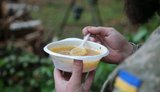
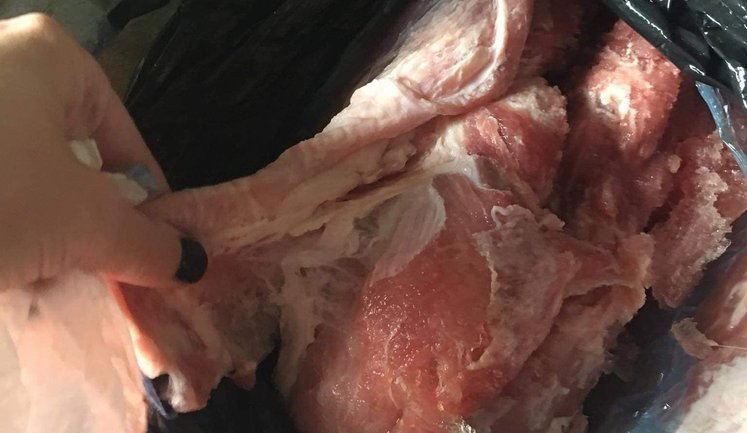
In 2026, the Ministry of Defence of Ukraine launched significant reforms in the nutrition supply chain for the Armed Forces. A modernized strategy bifurcates food procurement and logistics, aiming to enhance efficiency and transparency. Despite efforts, challenges remain, as evidenced by a ₴71 million scandal involving substandard field rations, leading to legal probes. Meanwhile, the Defense Ministry plans large-scale procurements worth ₴37 billion. These developments underscore the critical role of nutrition in military readiness, with new systems designed to ensure soldiers receive quality meals. The transformation is also cultural, aligning officers' and soldiers' meal standards.
What is the Ukrainian Ministry of Defence doing to reform food supply?
The Ministry of Defence of Ukraine is implementing reforms to improve the Armed Forces' food supply system by separating procurement and logistics. This aims to increase efficiency and reduce corruption.
How has the Ukrainian Armed Forces' nutrition been compromised recently?
Recent reports reveal a scheme where UAH 71 million worth of substandard and expired food was supplied to the Ukrainian Armed Forces, inciting investigations and legal actions against responsible parties.
What procurement strategies are being implemented for Ukraine's military food supply?
The Ukrainian Defense Ministry is planning a large-scale procurement worth UAH 37 billion to enhance the food supply for their Armed Forces, marking a substantial investment to ensure reliable and quality nutrition for military personnel.
What cultural changes are being implemented in Ukrainian military nutrition reforms?
As part of broader reforms in the military, efforts to transform nutrition culture involve ensuring officers and soldiers eat the same quality food, promoting equality and improving overall morale within the Armed Forces.
What was revealed in the investigation into the embezzlement case related to food procurement?
The investigation completed by anti-corruption bodies revealed embezzlement of over ₴700 million during the Ministry's food procurement, highlighting systemic corruption issues that need addressing through stringent oversight and reforms.