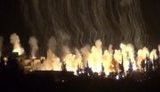
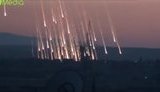
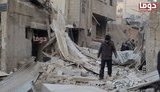
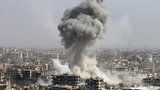
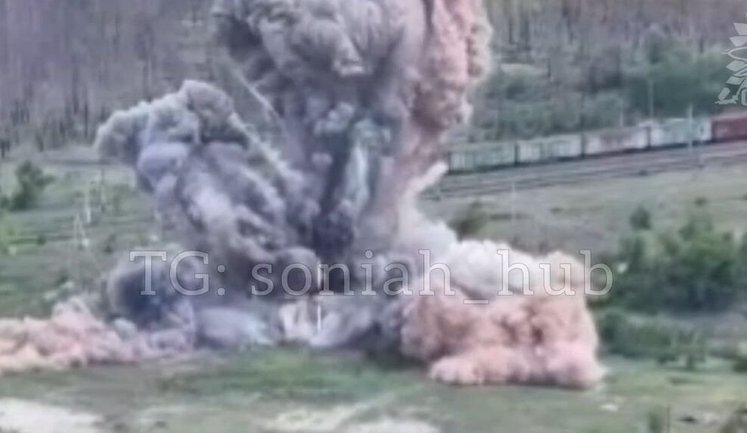
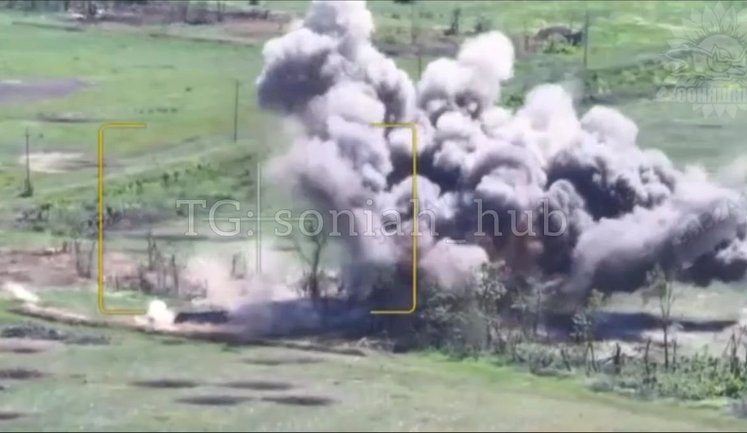
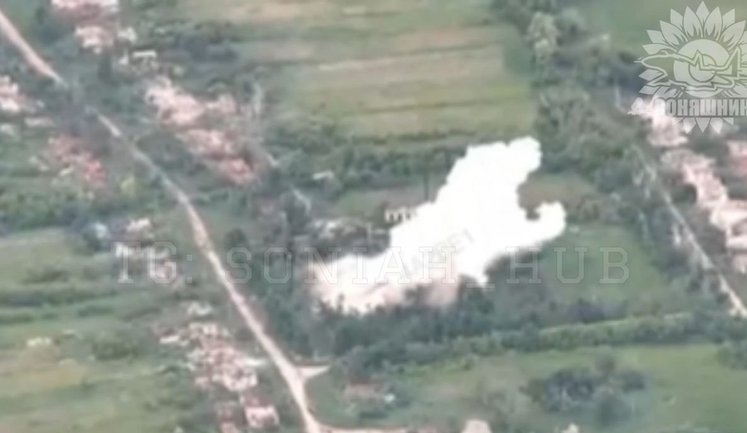
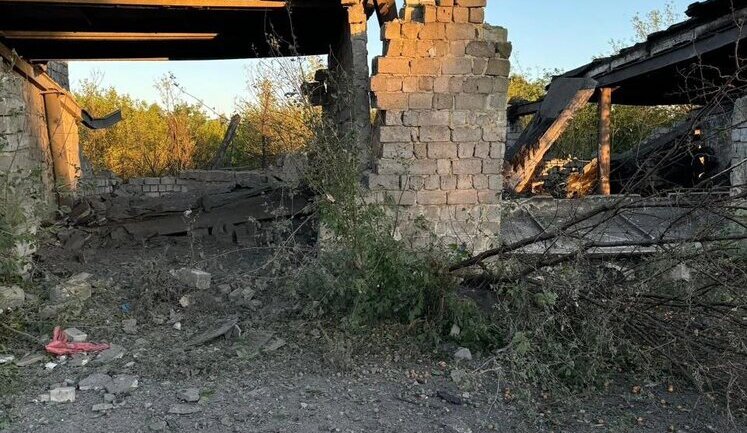
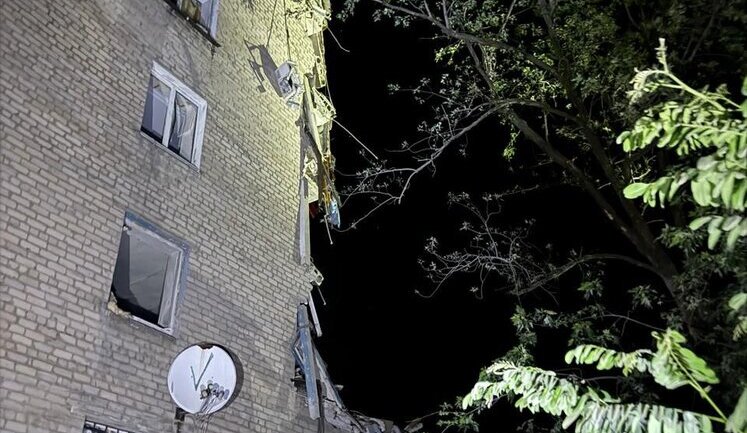
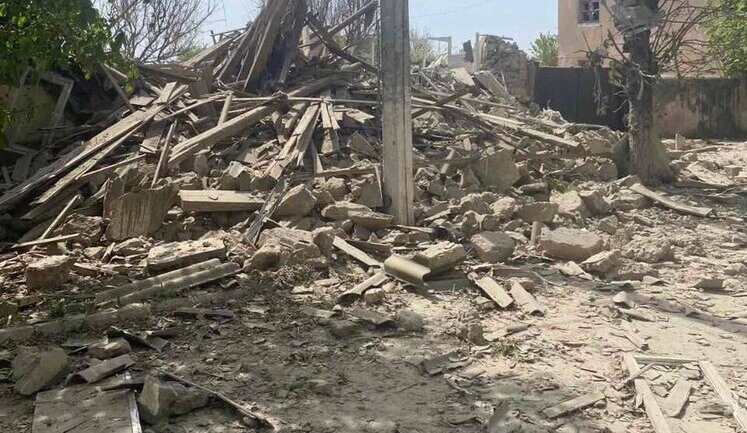
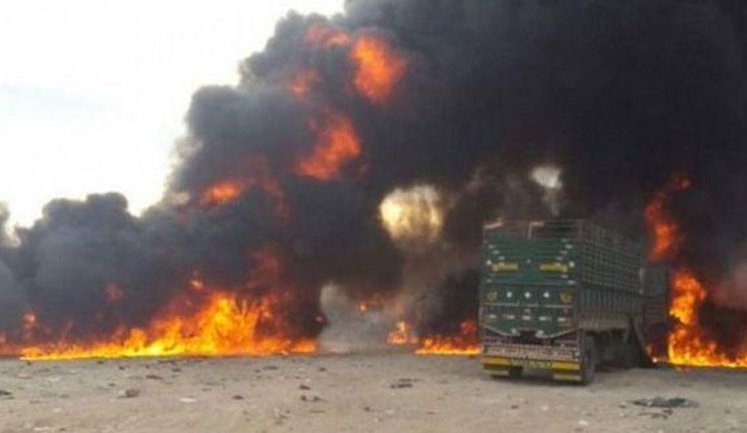
The bombarding in Ukraine has seen significant attention as powerful explosives like the Russian FAB-3000 and aerial bombs devastate cities such as Kostiantynivka and Myrnohrad. These destructive tactics aim at obliterating entire blocks, even targeting residential areas. Videos showcasing the aftermath are prevalent, revealing the destructive nature of the attacks. Conversely, the Ukrainian Air Force, using high-precision weapons such as the MiG-29 with AASM HAMMER bombs, conducts retaliatory strikes on strategic Russian locations. This ongoing exchange highlights the devastating impact of bombarding on both military and civilian infrastructure during the war in Ukraine.
What are the consequences of the bombarding in Ukraine?
The bombarding in Ukraine has led to massive destruction, particularly in cities like Kostiantynivka and Myrnohrad, where entire neighborhoods have been leveled. Such attacks have resulted in heavy civilian casualties and have turned many residential areas into ghost towns. The use of powerful bombs by Russian forces is a significant factor contributing to the escalation of destruction in the war zone.
How is the Ukrainian Air Force responding to the bombarding?
The Ukrainian Air Force has been actively retaliating against Russian bombarding through precision airstrikes. Utilizing advanced aerial bombs like the AASM HAMMER and GBU-62, Ukrainian pilots conduct targeted attacks on strategic points occupied by Russian forces. These operations aim to disrupt military activities and offset the bombardment's impact on Ukrainian regions.
What types of bombs are being used in the Ukraine conflict?
Several types of bombs are used in the Ukraine conflict, including heavy munitions like the Russian FAB-3000 and precision-guided bombs like the GBU-62 and AASM HAMMER. These weapons are employed by both sides, with destructive effects on military bases, urban centers, and civilian infrastructure. The choice of bomb type greatly influences the extent and nature of the damage caused.
Why are residential areas being targeted in Ukraine?
The targeting of residential areas in Ukraine, seen especially in towns such as Kostiantynivka, is part of a strategy to erode the opposition's resources and morale. The 'scorched earth' approach aims to create zones devoid of strategic value for the Ukrainian forces while simultaneously creating humanitarian crises to challenge government resources and international support.
How is the international community reacting to the bombarding in Ukraine?
The international community has largely condemned the bombarding in Ukraine, emphasizing the need for restraint and adherence to international laws regarding warfare. Many countries have increased support for Ukraine through military aid, economic sanctions against Russia, and diplomatic pressure to de-escalate hostilities. Organizations are also involved in humanitarian efforts to assist affected civilians.