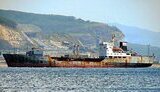
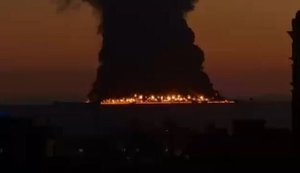
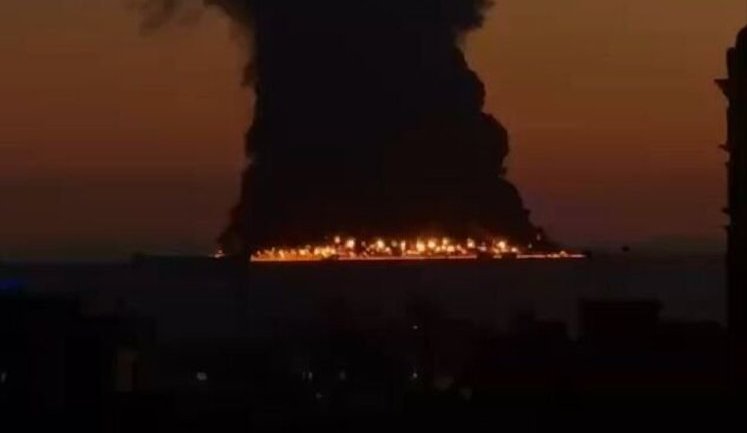
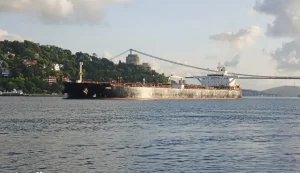
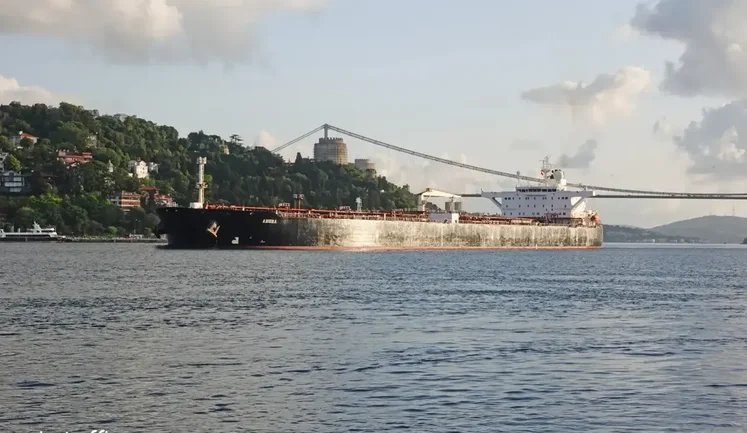
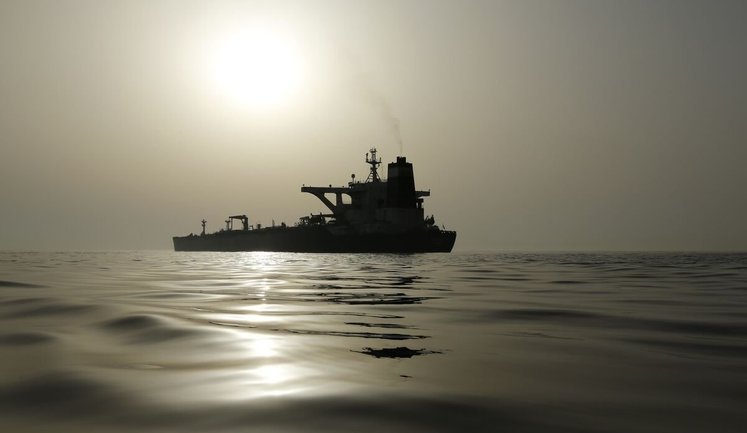
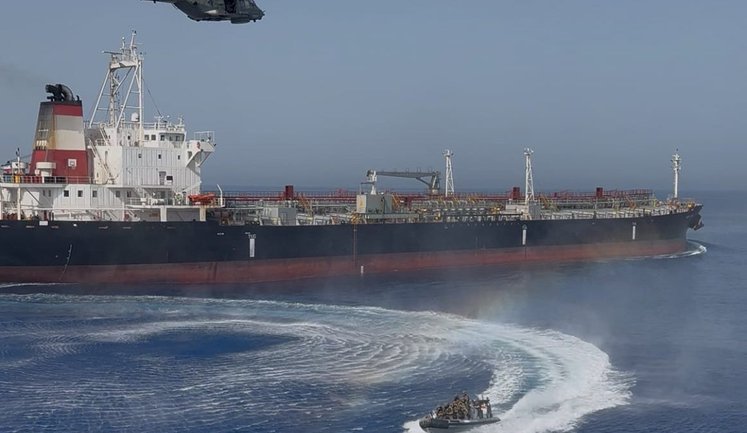
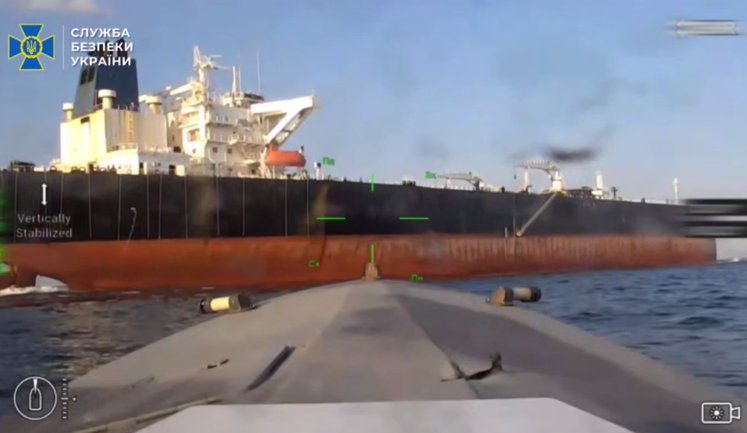
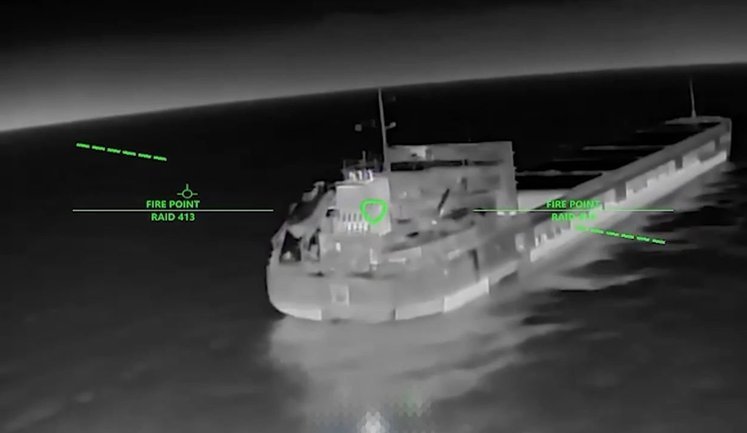
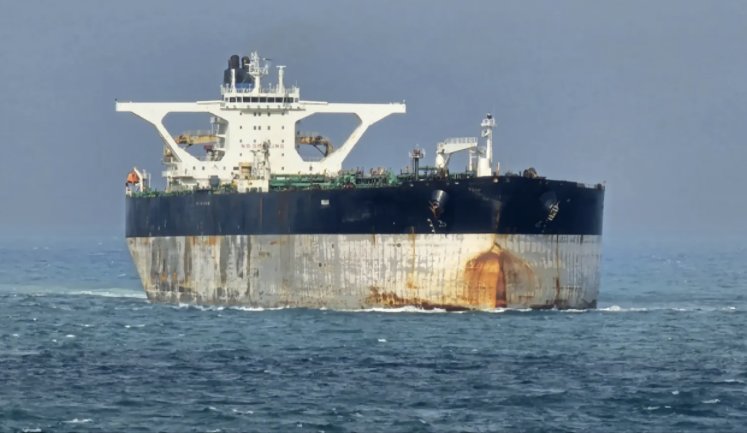
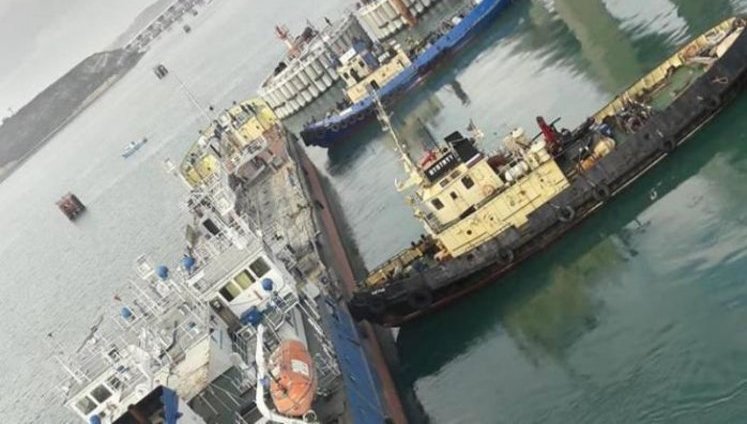
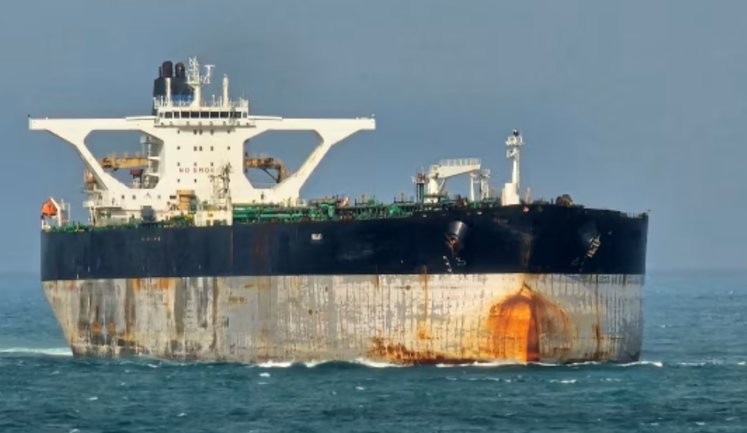
Ukraine's Defense Forces have repeatedly targeted Russian tankers, significantly disrupting operations of what is known as Russia’s "shadow fleet". These operations, aimed at weakening Russia's military and economic capabilities, highlight ongoing tensions and underscore strategic gains in maritime warfare. Notably, the targeted tankers were part of shadowy logistics networks in seas surrounding Ukraine, with significant strikes in the Black and Azov seas. This series of engagements has seen the use of advanced unmanned systems, showcasing Ukraine's technological advancements in warfare. As the conflict unfolds, the targeting of tankers continues to affect Russia’s oil supply chains, signaling significant shifts in regional power dynamics.
What is the significance of Ukraine targeting Russian tankers?
Targeting Russian tankers is strategically significant as it disrupts the "shadow fleet" operations, which are involved in transporting oil crucial for supporting Russia's military and economic infrastructure. By striking these tankers, Ukraine aims to weaken Russia’s logistical and economic capabilities, impacting their war efforts.
How have Ukrainian strike strategies evolved in 2026?
In 2026, Ukrainian strike strategies have evolved to leverage advanced unmanned aerial systems, enabling precision strikes on key targets such as Russian tankers. This evolution reflects a shift towards modern warfare techniques that enhance Ukraine's ability to disrupt Russian military logistics efficiently.
What is the "shadow fleet" in the context of the Russia-Ukraine conflict?
The "shadow fleet" refers to Russian operative vessels operating under obscured or false registries to transport oil and other resources. These fleet operations are critical to Russia’s logistical and economic activities, especially amid international sanctions, making them key targets for Ukrainian forces.
Why are drone strikes significant in these operations?
Drone strikes are significant due to their ability to conduct precise and remote operations with minimal risk to personnel. This technological edge allows Ukraine to target vessels in contested waters effectively, providing a tactical advantage and disrupting enemy supply lines without engaging directly.
What impact do these maritime strikes have on global oil markets?
The maritime strikes on Russian tankers influence global oil markets by constraining supply chains associated with Russia's trade routes. This can lead to fluctuations in oil prices, influencing global resource availability and emphasizing the broader economic impacts of regional military conflicts.
How do these strikes affect Russia's military capabilities?
Strikes on tankers directly affect Russia's military capabilities by disrupting fuel supply lines essential for maintaining military operations. By targeting these logistics, Ukraine weakens Russia's ability to sustain prolonged military engagements, affecting overall operational effectiveness.
What role do international sanctions play concerning the shadow fleet?
International sanctions target the shadow fleet to limit Russia's ability to sell oil globally, aiming to weaken its economy. These sanctions make it challenging for shadow fleet operations to function openly, resulting in covert activities that are targeted by Ukrainian operations.
How does the international community perceive these attacks on Russian tankers?
The international community views these attacks as part of the ongoing geopolitical tension between Ukraine and Russia. While some nations support Ukraine’s right to defend its sovereignty and disrupt hostile logistics, others caution against the potential for escalated regional tensions.
What technological advancements have Ukraine utilized in maritime warfare?
Ukraine has utilized advanced unmanned systems such as drones in maritime warfare, enabling precise and remote target engagement. These advancements reflect significant technological progress, allowing Ukraine to deliver impactful strikes while reducing risks to personnel, demonstrating a modern approach to conflict.