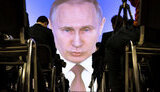
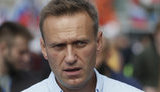
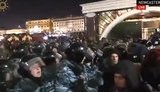
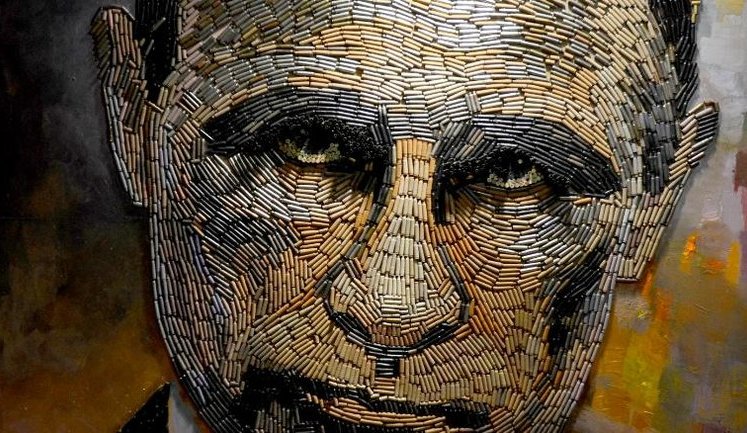
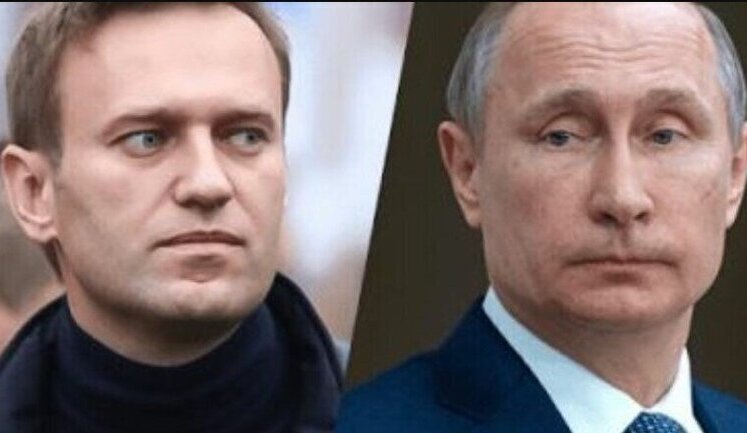
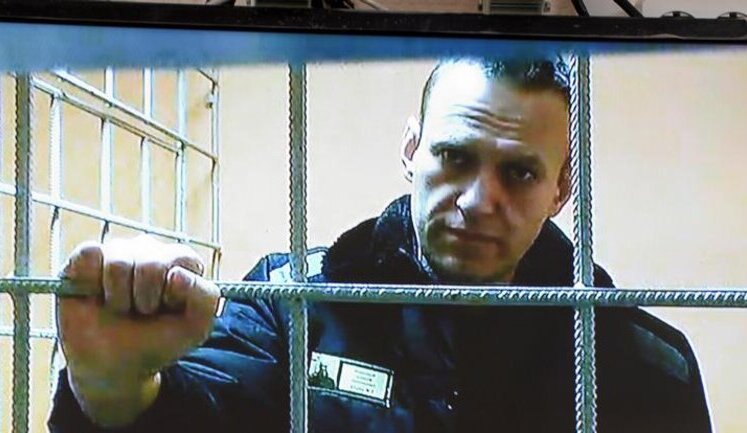
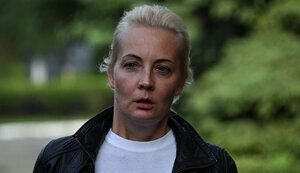
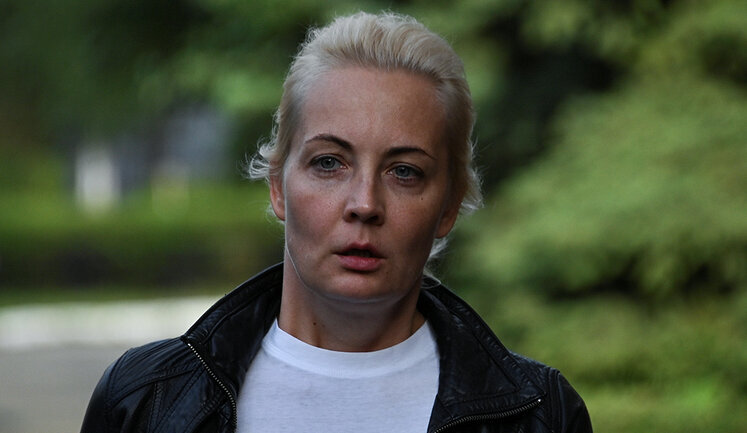
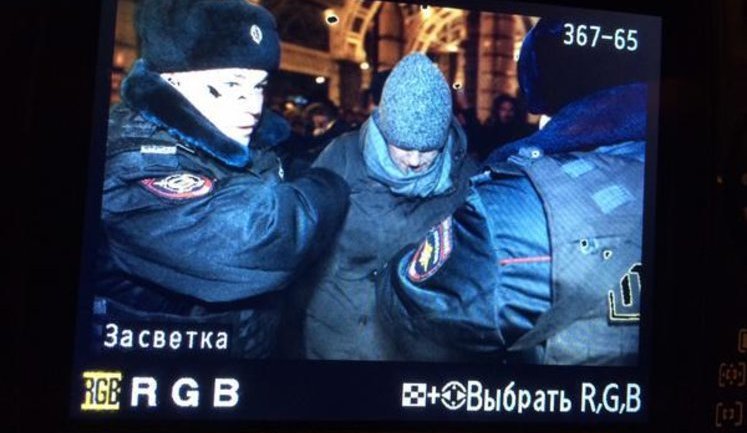
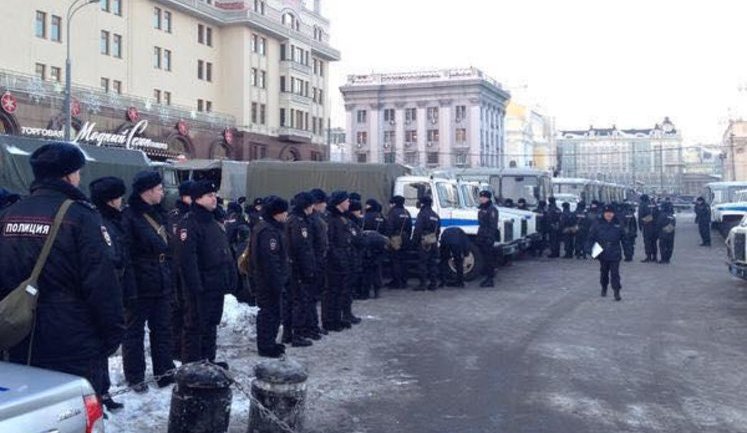
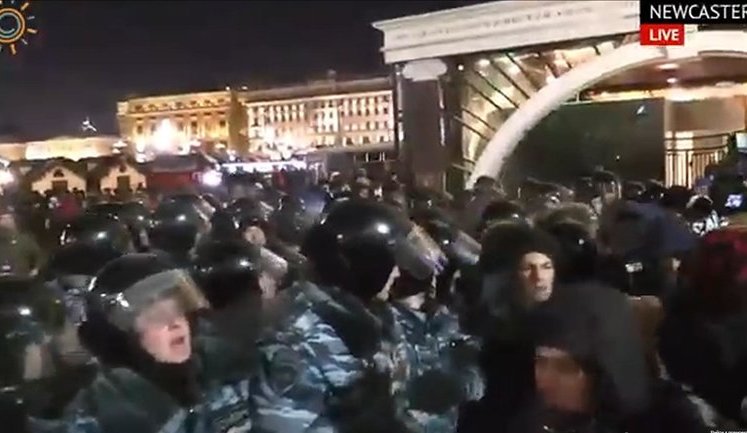
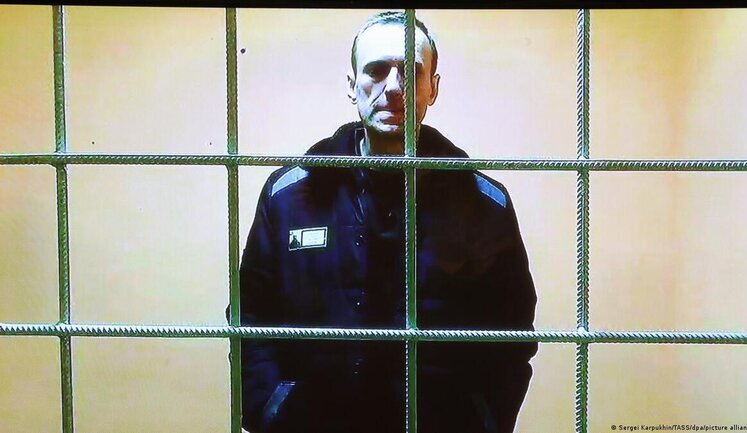
The death of Russian opposition leader Alexei Navalny in a penal colony has sparked international outrage. His widow, Yulia Navalnaya, addressed the European Parliament, condemning negotiations with Putin and labeling the Russian leader a monster. This sentiment echoes globally, as evidenced by Britain imposing sanctions and the U.S. announcing similarly punitive measures against Russia. President Biden directly accused Putin of responsibility for Navalny's death, emphasizing the deceased leader's courage in returning to Russia despite the risks. The international community, including Germany and Ukraine, has engaged diplomatically, summoning Russian ambassadors and participating in sanctions. Economic and political consequences are anticipated, with increased tensions between Russia and Western nations. The global response highlights Navalny's enduring impact as a symbol of opposition against authoritative rule, and further escalates political dynamics in Eastern Europe, potentially shaping future geopolitical landscapes.
What led to Alexei Navalny's death in prison?
Alexei Navalny's death was attributed to a natural cause involving a blood clot, as per Ukrainian Defense Intelligence leader Kyrylo Budanov. Despite initial reports alluding to suspicious circumstances, further investigations confirmed these claims. The incident has drawn substantial global attention, inciting diplomatic protests and sanctions against the Russian government due to suspicions and outrage regarding the treatment Navalny received while imprisoned.
How did international governments react to Navalny's death?
Governments worldwide strongly condemned Navalny's death. The United States and Britain swiftly responded with sanctions. European entities, such as the German Foreign Ministry, directly confronted Russian representatives. Many leaders view Navalny's death as emblematic of Russia's suppression of political dissent, prompting further international scrutiny and bilateral tensions.
What is the significance of Navalny's widow's statement?
Yulia Navalnaya's statement in the European Parliament criticized attempts at political negotiation with Vladimir Putin, describing the Russian leader as a monstrous figure rather than a politician. Her remarks resonated strongly across diplomatic circles, reinforcing perceptions of the Russian regime's repressive nature and underscoring the personal and political costs endured by Navalny's family and supporters.
Why did President Biden accuse Putin of Navalny's death?
President Biden accused Vladimir Putin of being responsible for Navalny's death as part of his strong condemnation against perceived systemic political repression in Russia. Biden highlighted Navalny's daring return to Russia after surviving an assassination attempt, portraying him as a courageous advocate of truth and transparency who understood the personal risks involved.
What measures are being taken against Russia following Navalny's death?
Several countries, including the U.S. and Britain, have imposed or announced sanctions targeting Russian officials and entities believed to be implicated in human rights abuses. These measures reflect broader international disapproval of Russia's domestic policies, increasing diplomatic isolation and economic pressures on the Kremlin, which could lead to further geopolitical shifts and challenges.
How has Navalny's death affected international relations with Russia?
Navalny's death has significantly strained Russia's relations with Western nations. Measures taken by countries like the U.S. and Britain manifest in new sanctions and heightened diplomatic tensions. The incident has amplified calls for greater accountability over human rights violations in Russia, marking a turning point in how global powers engage with Putin's administration.
What did Germany do in response to Navalny's death?
Germany's response included summoning the Russian ambassador to articulate its objections and demand accountability regarding Navalny's imprisonment and death circumstances. Germany, an influential EU member, plays a key role in crafting the collective European response, asserting that violations against political figures would draw serious repercussions and international censure.
Did Navalny's imprisonment affect his anti-corruption work?
Despite imprisonment, Navalny continued to be a prominent figure in anti-corruption efforts, both domestically and internationally. His organization exposed corrupt activities within the Russian government, affecting public opinion and creating significant pressure on the Kremlin. His legacy persists, inspiring ongoing political activism and reformist movements against systemic corruption in Russia.
What are the global implications of Navalny's death?
Navalny's death has heightened global awareness of state-level repression within Russia, influencing international human rights advocacy and policies. The event underscores ongoing geopolitical tensions, leading to strategic realignments and encouraging dialogue on security, peace-building efforts, and the balance of power within Europe and beyond.
How does the public in Russia view Alexei Navalny?
Public opinion in Russia about Navalny is polarized. Some perceive him as a courageous opposition leader fighting for democracy and transparency, whereas others, influenced by state media, view him as a controversial figure or foreign agent. Nevertheless, Navalny's imprisonment and subsequent death have triggered debates about freedom of speech, raising awareness among Russian citizens about democratic ideals and human rights.