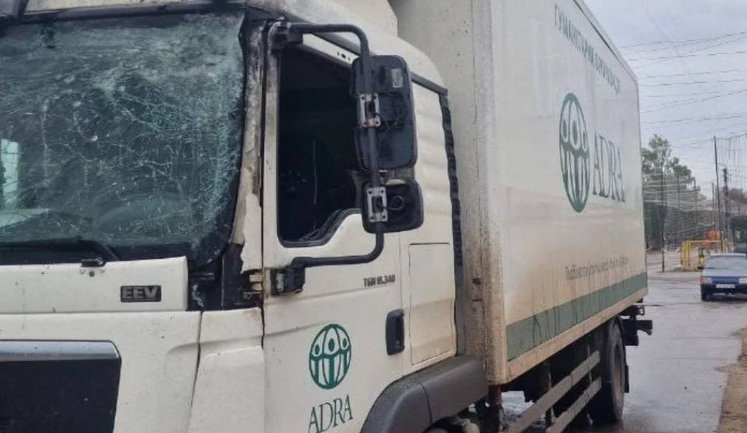
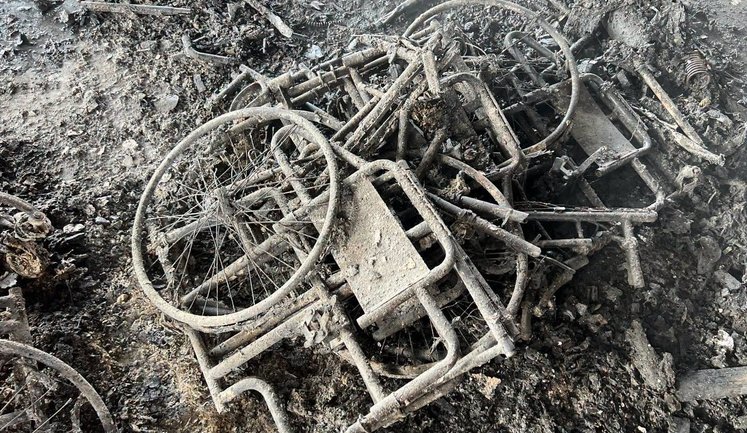
The issue of humanitarian aid in Ukraine is complex, with legal elements entwined with geopolitical concerns. In recent developments, residents in the Cherkasy region face charges for exploiting humanitarian aid channels, highlighting the ongoing challenge of ensuring aid reaches its intended recipients. Concurrently, a large-scale attack on a Red Cross warehouse in Kyiv resulted in severe losses, emphasizing the precariousness of aid logistics. Global allies like Moldova and Norway continue to pledge financial assistance and resources, underlining a cohesive international effort to support Ukraine. Moreover, the European Union’s significant financial commitments signal enduring support for humanitarian initiatives, crucial for mitigating the impacts of ongoing military conflicts in the region.
What legal issues surround humanitarian aid in Ukraine?
Legal issues often arise when individuals exploit aid shipments. For example, some residents have faced trial for selling vehicles imported under humanitarian pretenses, reflecting gaps that can allow misuse amidst genuine needs for such provisions.
How does the destruction of humanitarian warehouses affect aid distribution?
The destruction of humanitarian aid warehouses, like those in Kyiv, disrupts the supply chain, causing significant setbacks. Such incidents not only result in material losses but also hinder timely distribution to those in need, compounding the humanitarian crisis.
Which countries are providing humanitarian assistance to Ukraine?
Countries like Moldova and Norway, among others, provide extensive humanitarian aid to Ukraine. Support ranges from financial grants to essential equipment donations, underscoring international solidarity in aiding Ukraine during its ongoing hardships.
What are the implications of international donations to Ukraine?
International donations bolster Ukraine’s capacity to address both immediate and sustained humanitarian needs. Financial injections from global entities, including the EU, are pivotal in supporting displaced populations and rehabilitating infrastructure damaged by ongoing conflicts.
Why is there an increase in international humanitarian aid to Ukraine?
The escalation of military aggression has increased Ukraine's humanitarian needs, prompting a rise in international aid. These efforts aim to provide relief, support rebuilding efforts, and stabilize affected regions through funding and essential supplies.
How are humanitarian aid logistics affected by military conflicts in Ukraine?
Military conflicts severely disrupt logistics for humanitarian aid. Attacks on infrastructure and logistics hubs impede the timely delivery and storage of crucial supplies, ultimately affecting the welfare of those reliant on such aid in conflict zones.
How do international organizations support humanitarian projects in Ukraine?
Various international organizations contribute significantly by funding projects, providing logistical support, and deploying resources directly to areas in need. Collaborative efforts ensure a broader reach and more efficient management of humanitarian crises.