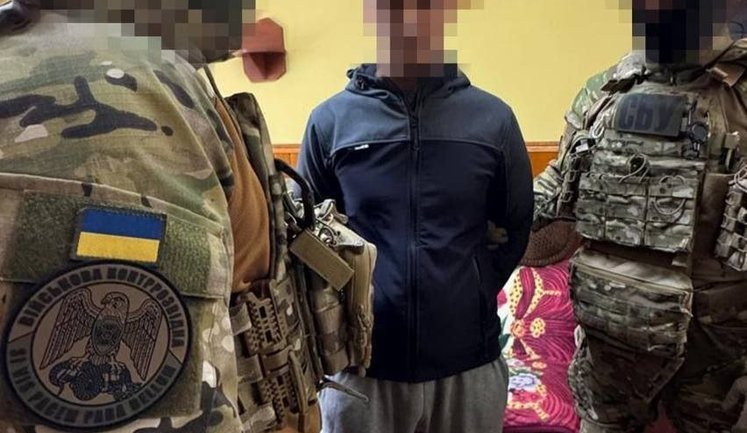
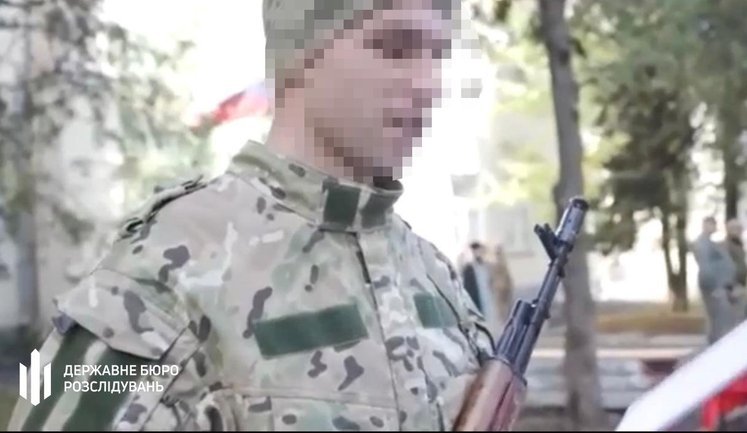
High treason cases in Ukraine underscore significant national security threats, with numerous Russian agents infiltrating key military and governmental positions. These cases involve serious charges ranging from espionage to aiding enemy forces during the ongoing war. Recent developments include the sentencing of a Russian GRU agent to life imprisonment for leaking sensitive military data. Another case involved a former border guard who defected and joined Russian forces, highlighting the ongoing struggle against internal subversion. Authorities maintain vigilance in identifying and prosecuting traitors to safeguard the nation's integrity and sovereignty.
How are individuals charged with high treason in Ukraine prosecuted?
In Ukraine, prosecution of individuals charged with high treason involves thorough investigations by entities like the Security Service of Ukraine (SSU) and the State Bureau of Investigation (SBI). Suspects, including military personnel and civilians, face severe legal repercussions if found aiding Russia. Sentences vary, but many receive up to 15 years imprisonment with property confiscation or even life sentences for severe breaches such as espionage and aiding enemy military operations.
What are the typical sentences for high treason in Ukraine?
Typical sentences for high treason in Ukraine include lengthy imprisonment terms, often up to 15 years, accompanied by property confiscation. In cases where the actions have significantly harmed Ukraine's national interests, life sentences can be imposed. The severity of the punishment reflects the gravity of the actions, particularly in wartime, where security and loyalty are paramount concerns for national safety.
How does the Ukrainian government deal with espionage and internal threats?
The Ukrainian government combats espionage and internal threats through its specialized security agencies, primarily the Security Service of Ukraine (SSU). They perform counterintelligence operations, investigations, and arrests of those suspected of collaborating with foreign intelligence, as evidenced by several recent high-profile detentions and prosecutions. The focus is on swiftly identifying and neutralizing threats to maintain stability and security in the face of ongoing external aggression.
What roles do Russian agents play in the context of high treason in Ukraine?
Russian agents involved in high treason typically engage in espionage, sabotage, and misinformation, aiming to subvert Ukraine's military operations and political stability. They gather and transmit sensitive data, infiltrate key institutions, and collaborate with the enemy to damage Ukraine's national interests. Arrested agents often guide missile strikes, leak defense secrets, and assist in military operations against Ukraine, posing significant threats that necessitate stringent legal actions.
What measures are in place to prevent high treason within the Ukrainian military?
The Ukrainian military implements continuous counterintelligence efforts and security screenings to prevent high treason within its ranks. This includes monitoring personnel, strengthening internal protocols, and employing advanced technologies to detect and protect against espionage. Training programs on operational security and loyalty are conducted regularly, fostering an environment of vigilance and national service commitment to deter potential traitors and protect sensitive military information.