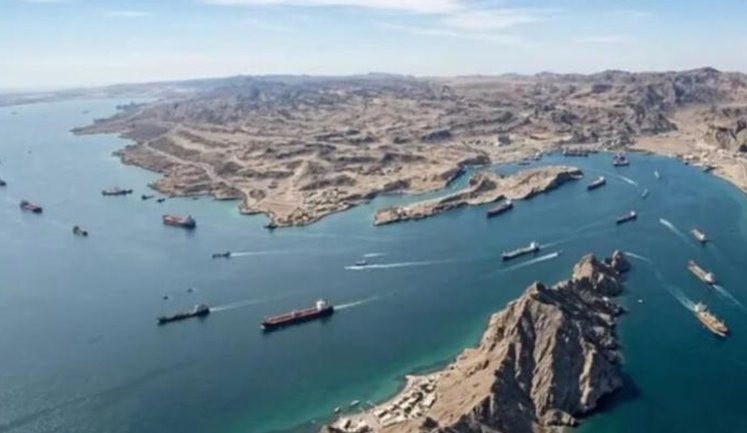
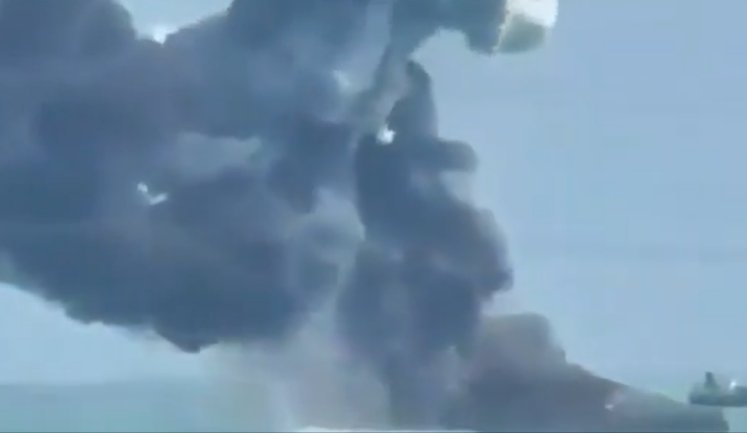
The Strait of Hormuz remains a critical focal point due to its strategic importance in global oil transportation. Recent developments include a US naval blockade, escalating tensions with Iran, and international efforts to ensure safe navigation. Iran has accused the US of "pirate actions," while several countries, including Ukraine, have expressed willingness to join a defense mission to restore freedom of navigation. President Zelenskyy has emphasized the necessity of international cooperation for maintaining security. The complexity of the situation highlights the global reliance on this crucial waterway amidst conflicting geopolitical interests.
What is the current status of the Strait of Hormuz?
The Strait of Hormuz is currently a zone of high tension due to a US naval blockade and Iran's retaliatory measures. These actions have impacted global oil transportation and prompted international diplomatic interventions to restore security and shipping stability.
How is the United States involved in the Strait of Hormuz tensions?
The United States has implemented a naval blockade in the Strait of Hormuz as part of a strategic maneuver against Iran. This has led to heightened tensions and has complicated diplomatic negotiations aimed at maintaining peace and stability in the region.
What actions has Iran taken regarding the Strait of Hormuz?
Iran has taken several measures in response to US actions, including tightening control over the Strait of Hormuz and claiming retaliations against US vessels. These actions have increased tensions and disrupted international shipping routes through this vital maritime corridor.
Which international leaders are addressing the crisis in the Strait of Hormuz?
International leaders, including President Volodymyr Zelenskyy, are actively engaged in addressing the crisis in the Strait of Hormuz. Meetings involving leaders from various countries aim to coordinate a collective response to maintain security and ensure freedom of navigation.
Why is the Strait of Hormuz important to global oil markets?
The Strait of Hormuz is crucial for global oil markets due to its status as a major transportation route for oil exports from the Middle East. Blockades or disruptions to shipping through this waterway have significant implications for global oil supply and prices.
What are the potential global impacts of the conflict over the Strait of Hormuz?
The conflict over the Strait of Hormuz could lead to global economic disruptions, particularly affecting oil prices and supply chains. The situation highlights the interdependence of nations and the need for diplomatic solutions to ensure stability and security in international waters.
How are international partnerships influencing the situation in the Strait of Hormuz?
International partnerships play a pivotal role in mitigating the crisis in the Strait of Hormuz. Countries are forming coalitions to address maritime security, respond to threats, and negotiate terms for reopening this critical shipping lane, thereby ensuring regional and global stability.
What role is the United Nations playing in the Strait of Hormuz situation?
The United Nations has been a platform for discussions and potential resolutions regarding the Strait of Hormuz. However, efforts to pass resolutions for peacekeeping and navigation enforcement have faced opposition from member states, reflecting geopolitical complexities and divergent interests.
What measures are being proposed to ease tensions in the Strait of Hormuz?
Proposed measures to ease tensions in the Strait of Hormuz include diplomatic negotiations, the establishment of ceasefires, and the deployment of international maritime coalitions to ensure the security of shipping lanes. Such measures aim to address the concerns of all involved parties while maintaining global trade routes.
How does the conflict in the Strait of Hormuz affect Ukraine?
The conflict in the Strait of Hormuz affects Ukraine by prompting concerns over energy security and international security dynamics. Ukraine has expressed readiness to contribute to multinational efforts to ensure safe passage and reduce tensions in this strategic maritime region.