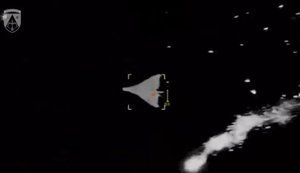
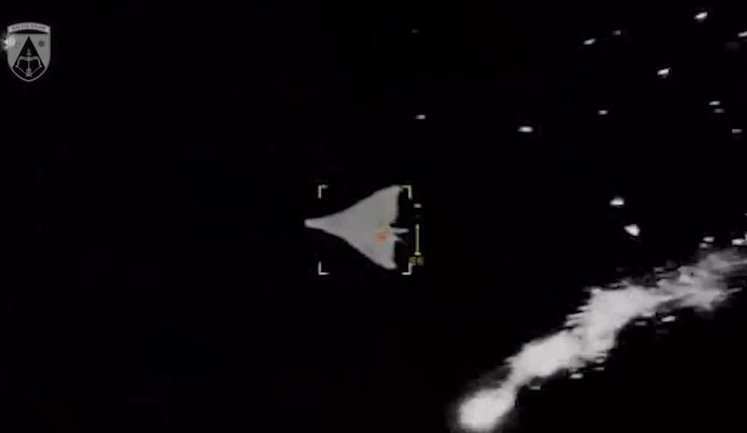
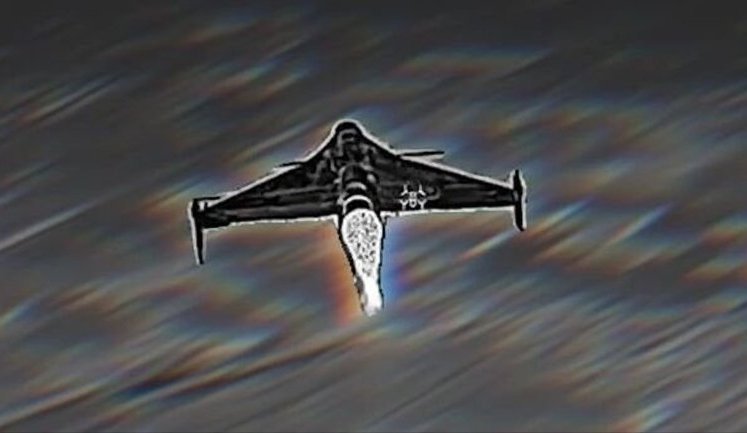
The escalation of Russian drone attacks on Ukraine has seen a significant shift in tactic, notably with the increased use of jet-powered Shahed drones. Since early November, over 3,500 such drones, including models like "Geran-4" and "Parodiya," have targeted Ukraine. Despite these challenges, Ukraine's air defenses have successfully countered nearly 60% of these threats, with efficiency rising up to 80% during some stages. This aerial warfare marks a dramatic evolution in conflict, as Ukrainian forces increasingly adapt by employing advanced interceptors and collaborating with NATO for enhanced munitions. These efforts underscore the ongoing technological arms race inherent in modern warfare, where air supremacy becomes crucial in defense strategy.
How many jet-powered Shahed drones have been launched at Ukraine?
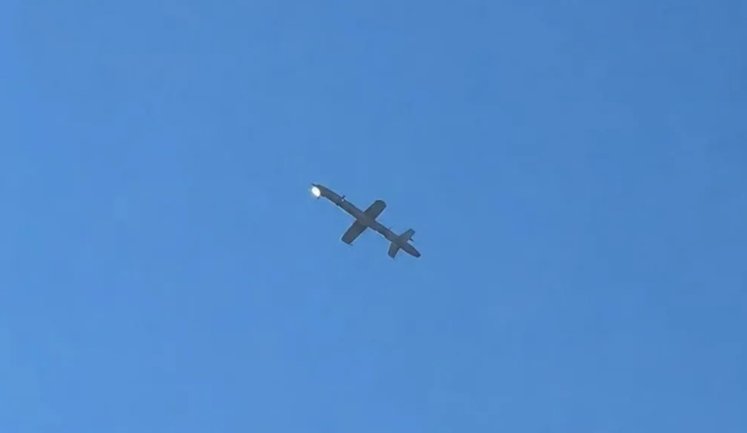
Since the beginning of November, over 3,500 drones have been launched towards Ukraine, nearly half being jet-powered Shahed models. The increase highlights an intensified aerial threat from Russian forces, reflected in Ukraine's comprehensive defensive strategies.
What success rate do Ukraine's air defenses have against jet-powered drones?
Ukraine's air defenses have achieved a success rate of nearly 60% in downing jet-powered drones, reaching up to 80% during individual attacks. This rate is due to improvements in defensive strategies and the employment of sophisticated interceptors and fighter jets.
What are the implications of jet-powered Shahed drones on Ukraine's infrastructure?
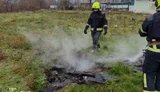
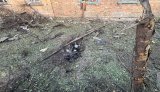
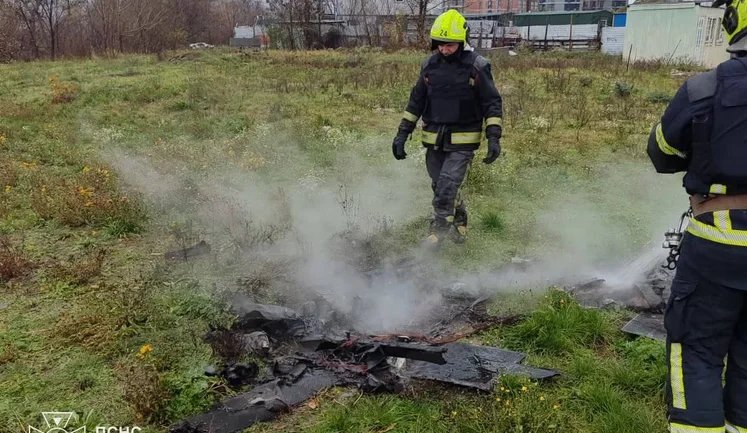
Jet-powered Shahed drones pose significant threats to Ukraine's infrastructure, including vital energy and transport hubs. The drones' speed and payload capacity mean they can target and disrupt urban centers, as evidenced by incidents in Kyiv and Volyn regions, affecting daily life and emergency services.
What is NATO's role in countering jet-powered drones in Ukraine?
NATO has been instrumental in providing Ukraine with munitions to counter jet-powered drones effectively. By supplying 20-mm ammunition and supporting the development of new interceptor technologies, NATO aids in bolstering Ukraine's defenses against these advanced aerial threats.
How has Ukraine adapted its defense systems to counter the new drone tactics?
Ukraine has strategically adapted to Russian drone tactics by employing a mix of traditional air defenses and advanced technologies. This includes the integration of interceptor drones, coordination with NATO for ammunition supplies, and the enhancement of air defense systems to better respond to rapid and large-scale aerial threats.
What is the significance of interceptors in downing jet-powered Shahed drones?
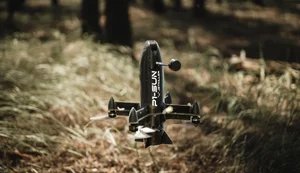
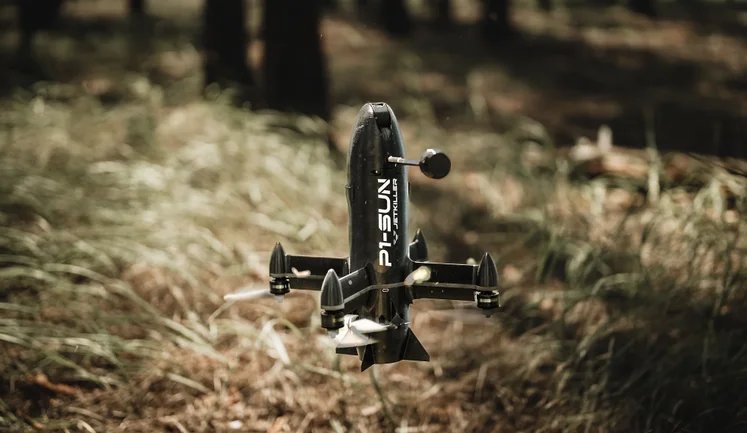
Interceptors play a crucial role in neutralizing jet-powered Shahed drones. They are designed to detect, engage, and destroy drones effectively, compensating for other technological limitations such as communication delays and increasing the overall defense success rate significantly.