The concept of an energy ceasefire between Ukraine and Russia is drawing significant international attention in 2026. Reports indicate that Ukraine has proposed a truce regarding attacks on energy facilities, with the United States playing a crucial role in mediations and proposal conveyance. Despite diplomatic efforts by Ukraine and comments from U.S. Secretary of State Marco Rubio, Russia's stance remains cautious, with much hinging on Kremlin negotiations and Putin's decisions. The challenges of reaching an agreement are magnified by the complexities of geopolitical tensions and historical hostilities, yet both nations express a cautious interest in defusing energy-related hostilities.
What is the current status of the energy truce between Ukraine and Russia?
The energy truce is currently under negotiation. Ukraine has shown readiness to initiate an energy ceasefire, mediated by the US. However, Russia has not yet officially agreed, reflecting a complex diplomatic landscape. Both countries demonstrate interest in reducing attacks on energy sites, but challenges remain in reaching a universal agreement.
How is the United States involved in the Ukraine-Russia energy ceasefire talks?
The United States plays a mediating role in facilitating discussions between Ukraine and Russia about an energy ceasefire. US Secretary of State Marco Rubio is actively involved in negotiations, pressing for a reduction of hostilities on energy infrastructure by both sides, demonstrating Washington's influence in seeking peaceful resolutions.
What concerns has Marco Rubio expressed regarding the energy truce?
Marco Rubio, the US Secretary of State, has expressed concerns about ongoing attacks on energy facilities linked to the US, urging both Ukraine and Russia to engage in ceasefire talks. He emphasizes the importance of an agreement to protect energy infrastructure amidst escalating military tensions.
Is there a likelihood of a full-scale ceasefire between Ukraine and Russia in 2026?
While discussions on a full-scale ceasefire have been initiated, especially regarding energy infrastructure, a comprehensive ceasefire remains elusive. Political and military complexities continue to hinder full-scale peace; however, diplomatic efforts are ongoing to create temporary agreements that could pave the way for more lasting peace.
How does the energy ceasefire fit into broader Ukraine-Russia diplomatic negotiations?
The energy ceasefire is part of broader diplomatic efforts to de-escalate tensions between Ukraine and Russia. It represents a specific area of concern where both nations, along with international mediators, seek reductions in hostile actions, potentially creating a basis for wider peace negotiations and stability.
What role does President Zelenskyy play in the energy ceasefire negotiations?
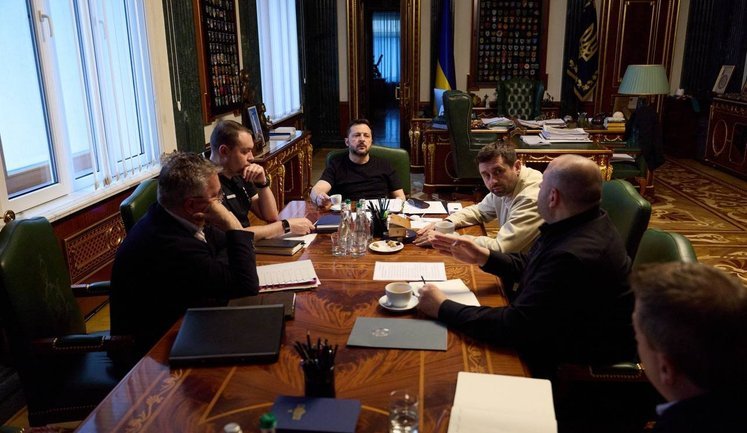
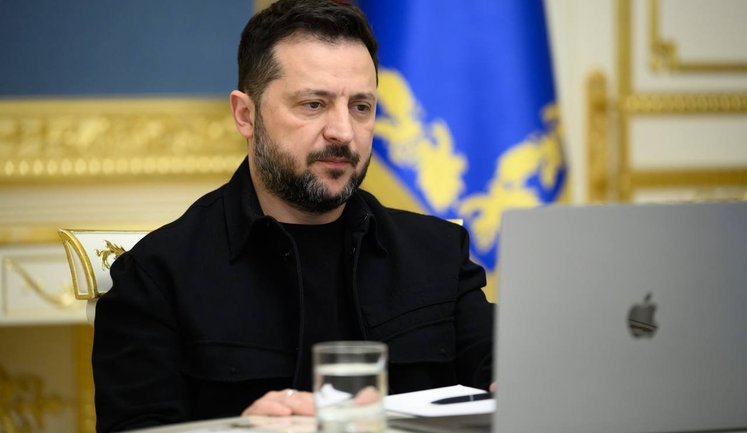
President Volodymyr Zelenskyy of Ukraine is actively advocating for the energy ceasefire, emphasizing Ukraine's readiness to halt energy strikes if Russia reciprocates. Zelenskyy's leadership is crucial in navigating the complex political environment, pushing for peaceful resolutions, and maintaining international support.
Has Russia agreed to any conditions proposed by Ukraine for an energy ceasefire?
Russia, as of the latest updates, has not fully agreed to Ukraine’s conditions for an energy ceasefire. While discussions through diplomatic channels continue, Moscow's official stance remains ambivalent, revealing the need for strategic negotiations and international pressure to foster agreement.
What impact might an energy truce have on Ukraine's national security?
An energy truce could significantly bolster Ukraine's national security by reducing the risk of critical infrastructure attacks, preserving energy resources, and allowing for internal stabilization. However, the truce's effectiveness depends on mutual adherence and the broader geopolitical stability between Ukraine and Russia.
Why is there skepticism about the success of energy ceasefire negotiations?
Skepticism stems from previous ceasefire violations, geopolitical distrust, and differing interpretations of terms by involved parties. While efforts continue, historical hostilities and strategic interests present formidable barriers to a successful and lasting energy ceasefire agreement between Ukraine and Russia.