14809 visitors online
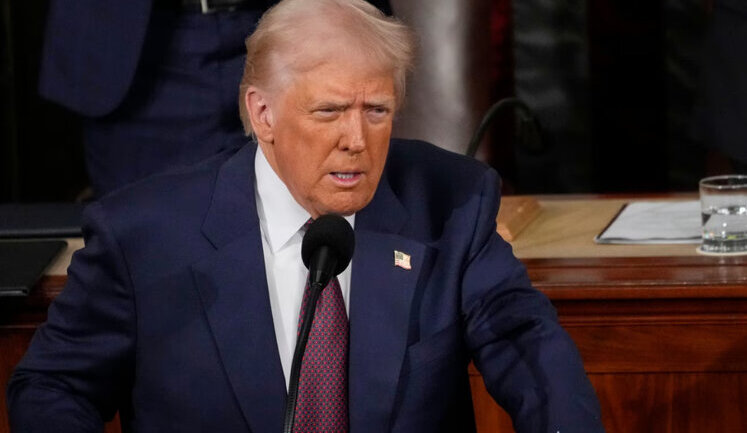
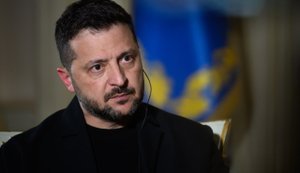
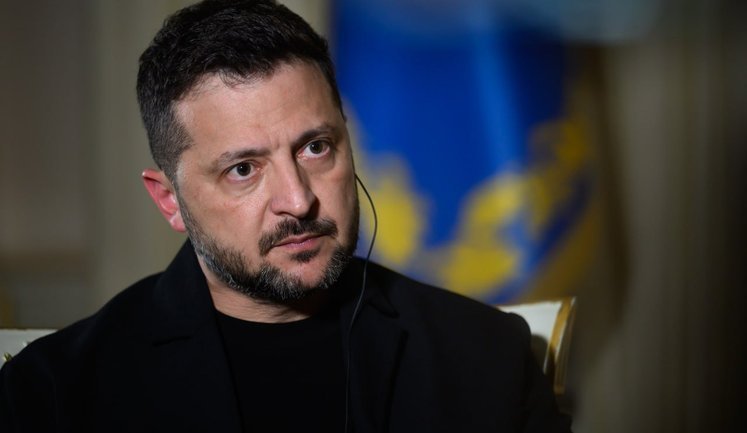
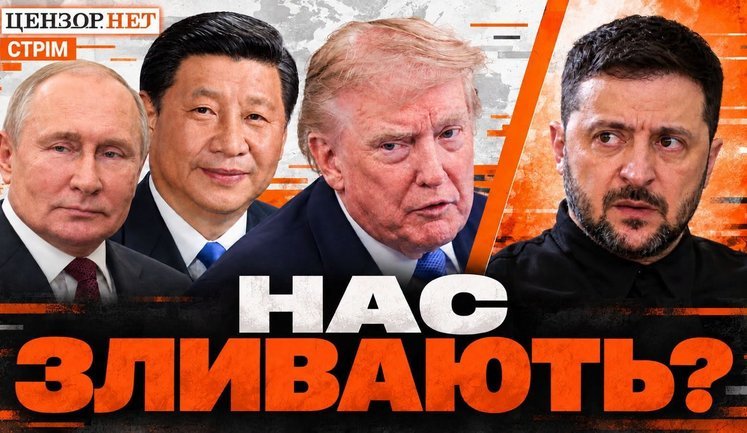
The concept of a truce between Ukraine and Russia has been a focal point in recent international dialogues. Despite Ukraine's readiness for an energy ceasefire, as expressed by President Zelenskyy, the situation remains complex with Russia showing reluctance towards mutual agreements. Notably, the United Nations has highlighted the successful six-day ceasefire in the Oleshky region as a potential model for reducing hostilities. However, skepticism exists, with figures like German Defense Minister Boris Pistorius doubting quick resolutions. Discussions on an energy truce have involved key figures like US President Donald Trump, who claims credit for the initiative, despite mixed reactions from involved parties. Diplomatic efforts continue as both local and international actors strive for a peaceful solution, with the EU and other nations advocating for de-escalation. The path to a lasting truce hinges on reciprocal actions and genuine commitment from both nations.

What are the main challenges to achieving a truce between Ukraine and Russia?

The main challenges to achieving a truce between Ukraine and Russia include mutual distrust, differing interpretations of ceasefire conditions, and persistent military confrontations. While President Zelenskyy and international leaders advocate for peace, Russia's reluctance to comply with agreed terms often hinders the process. Diplomatic negotiations are further complicated by geopolitical interests and internal political dynamics, requiring significant international mediation efforts to progress towards a sustainable resolution.

How has the United Nations contributed to the truce efforts in Ukraine?

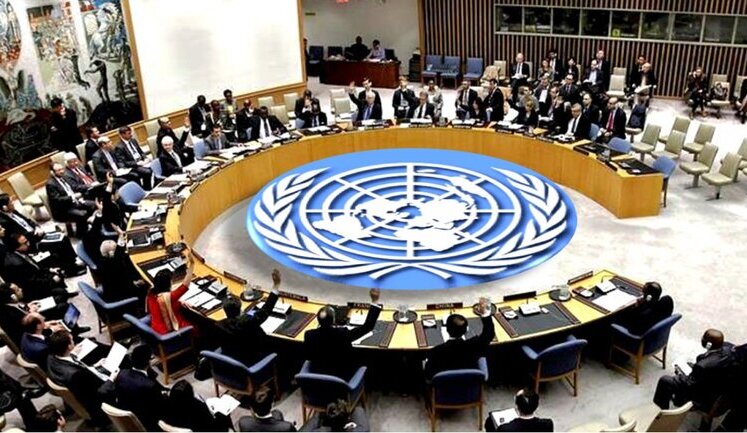
The United Nations has actively called for de-escalation and promoted the extension of successful ceasefires, like the humanitarian truce in Oleshky. The UN's goal is to replicate these localized ceasefires on a broader scale, encouraging Ukraine and Russia to engage in constructive dialogue to reduce tensions. The organization's advocacy for a ceasefire underscores the need for humanitarian considerations and the protection of civilians, crucial elements in peace negotiations.

What role does international diplomacy play in the Ukraine-Russia truce discussions?

International diplomacy plays a critical role in facilitating dialogue between Ukraine and Russia. Countries like the United States, India, and EU members actively propose frameworks for an energy truce and broader ceasefires. Diplomatic interventions aim to mediate discussions, emphasize de-escalation, and provide platforms for both nations to express their conditions. These efforts aim to bridge divides and foster an environment conducive to peace negotiations, despite the prevailing challenges.

Why is an energy ceasefire significant in the Ukraine-Russia conflict?

An energy ceasefire is significant because it aims to halt attacks on critical infrastructure, which heavily impacts civilian life and economic stability. Both Ukraine and Russia have targeted each other's energy facilities, causing widespread disruption. An agreement to cease such attacks would reduce immediate humanitarian crises and build trust towards more comprehensive peace talks. Protection of energy sectors is essential for ensuring the welfare of affected communities and maintaining basic services during ongoing hostilities.

What has been the response of European leaders to the proposed energy truce?

European leaders have shown varying levels of support for the proposed energy truce. Figures like French President Emmanuel Macron have backed the initiative, while others, such as Gitanas Nausėda of Lithuania, emphasize the necessity for reciprocal actions. The EU's sanctions against Russia further illustrate the continent's commitment to a diplomatic resolution, contingent on mutual compliance. European leaders advocate for collective efforts in ensuring both parties adhere to ceasefire agreements to foster stability in the region.

How have regional conflicts like Oleshky influenced the broader truce discussions?

Regional conflicts like the six-day ceasefire in Oleshky provide valuable examples of how localized peace efforts can contribute to broader negotiations. Such instances demonstrate the feasibility of temporary ceasefires leading to tangible humanitarian relief, setting precedents for larger agreements. They reinforce the idea that even amidst significant tension, ground-level agreements can be reached and provide hope for wider application. These experiences are used by mediators to advocate for more extensive ceasefires across conflict zones.

What impact does military skepticism have on truce prospects between Ukraine and Russia?

Military skepticism, often expressed by defense officials like Germany's Boris Pistorius, impacts truce prospects by highlighting the challenges in reaching rapid agreements. Skepticism reflects concerns over enforcement, compliance, and potential strategic disadvantages. This cautious approach affects diplomatic initiatives by underscoring the need for robust verification mechanisms and genuine commitments from military leaders. Balancing skepticism with proactive diplomacy is crucial for fostering trust and progressing towards a viable ceasefire agreement.

show details

Photo news Truce

There is no ceasefire in area of responsibility of Third Assault Brigade, - Zhorin There is no ceasefire in area of responsibility of Third Assault Brigade, - Zhorin The Russians continue to attack the positions of the 3rd Separate Assault Brigade, despite the "truce" declared by dictator Vladimir Putin. 2 911 17 Previously in trend: Putin announces truce for 9 May

Russian media report on start of "ceasefire" Russian media report on start of "ceasefire" Kremlin dictator Vladimir Putin has officially announced a "truce" for Victory Day. 14 350 48 Previously in trend: Putin announces truce for 9 May

Enemy arranges routes for heavy equipment, using "Easter truce" - 66th Brigade. PHOTOS Enemy arranges routes for heavy equipment, using "Easter truce" - 66th Brigade. PHOTOS Russian troops are using the so-called Easter truce to build a passage through water obstacles. 5 968 20 Previously in trend: Easter Truce

Truce in Avdiivka’s industrial area ignored by Russian terrorists. PHOTOS Truce in Avdiivka’s industrial area ignored by Russian terrorists. PHOTOS The Russian militants do not observe the cease-fire deal in one of the most dangerous areas in the Donbas – Avdiivka’s industrial zone. 15 987 19

“Ministers should see front line picture closer. We’re interested in their opinion on how to hold elections in Shyrokyne,” – MP Iryna Herashchenko on Steinmeier and Ayrault’s visit to Donbas. PHOTOS “Ministers should see front line picture closer. We’re interested in their opinion on how to hold elections in Shyrokyne,” – MP Iryna Herashchenko on Steinmeier and Ayrault’s visit to Donbas. PHOTOS The fact of the visit of foreign ministers of France and Germany in the Donbas is of paramount importance as the European partners must see for themselves that no elections can be held in such conditions. 30 480 84 Previously in trend: Russian aggression against Ukraine

Russian militants exposed 122-mm SP guns and tons of ammunition 10 kilometers away from Marinka. PHOTOS Russian militants exposed 122-mm SP guns and tons of ammunition 10 kilometers away from Marinka. PHOTOS The latest open source investigation revealed the areas of concentration of ammunition for 122-mm guns of the combined Russian-separatist army, which continue accumulating forces in close proximity to the demarcation line in violation of all the agreements. 53 591 39 Previously in trend: Evidence of Russian aggression in Ukraine

Militants' provocations: 120-mm mortars near demarcation line and friendly fire. PHOTOS Militants' provocations: 120-mm mortars near demarcation line and friendly fire. PHOTOS Russian militants widely use 120-mm mortars along the demarcation line. 31 501 33 Previously in trend: Evidence of Russian aggression in Ukraine

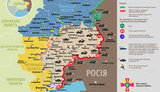
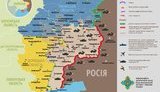
Militants’ attacks recorded all along the front line from Avdiivka to Marinka, - ATO speaker. MAP Militants’ attacks recorded all along the front line from Avdiivka to Marinka, - ATO speaker. MAP The militants have resumed active shelling of the Ukrainian army positions in the anti-terrorist operation (ATO) area. At the same time they did not even try to hide the attacks committing them with banned weapons both at night and in daytime. 15 869 73 Previously in trend: Russian aggression against Ukraine

Militants use silencers, fire from "gray zone," - JCCC. PHOTOS Militants use silencers, fire from "gray zone," - JCCC. PHOTOS The head of the Ukrainian side at the Joint Centre for Ceasefire Control and Coordination (JCCC) met with the commanders of ATO area units to discuss the violation of the Minsk agreements by militants as well as their attacks on the Ukrainian army positions in the vicinity of the Donetsk airport. 29 108 46 Previously in trend: Russian aggression against Ukraine

Militants used heavy weapons first time in last four days, - ATO spokesman. MAP Militants used heavy weapons first time in last four days, - ATO spokesman. MAP Militants stick to cease-fire in most cases. However, the situation aggravated in the Luhansk direction. For the first time in the last, four days terrorists used heavy weapons - 120-mm mortars prohibited by the Minsk agreements. 31 902 123 Previously in trend: Russian aggression against Ukraine

Militants' Grads are deployed a couple of kilometers from demarcation line. DRONE IMAGES Militants' Grads are deployed a couple of kilometers from demarcation line. DRONE IMAGES According to the photo proof of "ARMY SOS Unmanned Aviation" volunteer project, MLRS Grad are located a couple of kilometers from the demarcation line and the militants are conducting attacks from residential neighborhoods of Pervomaisk. 109 940 175 Previously in trend: Russian aggression against Ukraine

ATO forces withdraw Grads from line of collision in Luhansk region. PHOTOS ATO forces withdraw Grads from line of collision in Luhansk region. PHOTOS On Thursday, March 5 the removal of rocket-artillery battalions of the Ukrainian military armed with multiple rocket launchers BM-21 Grad to the distance assigned by the Minsk agreement took place in the Luhansk region. 31 129 221 Previously in trend: Russian aggression against Ukraine

Ukrainian troops continue withdrawing heavy artillery - ATO press center. PHOTOS Ukrainian troops continue withdrawing heavy artillery - ATO press center. PHOTOS The Ukrainian Army continues disengagement of heavy weapons envisaged by the Minsk agreement. 36 295 169 Previously in trend: Russian aggression against Ukraine
First morning of the truce. Ukrainian military are halfway to Debaltseve. Rare militants’ artillery strikes heard. PHOTOS+VIDEO First morning of the truce. Ukrainian military are halfway to Debaltseve. Rare militants’ artillery strikes heard. PHOTOS+VIDEO The Ukrainian soldiers await command’s further orders. No one believes in truce. Their mistrust is enforced by individual artillery strikes, which can be heard on the right and left of the road to Debaltseve. 153 702 246 Previously in trend: Russian aggression against Ukraine
Full text of new agreements reached in Minsk made public. DOCUMENT Full text of new agreements reached in Minsk made public. DOCUMENT The text of the agreements reached during the negotiations in the "Normandy format" in Minsk has been published online. The document is to be signed by the Tripartite Contact Group on the Donbas. 500 331 1 170 Previously in trend: Russian aggression against Ukraine

Mutual Silence Mode Gradually Being Established in ATO Area - NSDC. MAP Mutual Silence Mode Gradually Being Established in ATO Area - NSDC. MAP The National Security Council notes the gradual bilateral ceasefire in the east of Ukraine. 45 311 136

OSCE Revealed Minsk Truce Protocol. DOCUMENT OSCE Revealed Minsk Truce Protocol. DOCUMENT The OSCE has revealed the 12-point roadmap behind the September 5 truce signed in Minsk. 80 186 271 Previously in trend: Russian aggression against Ukraine