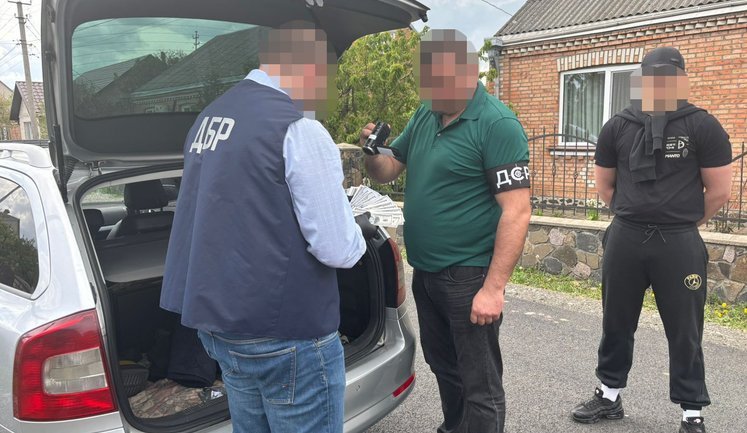
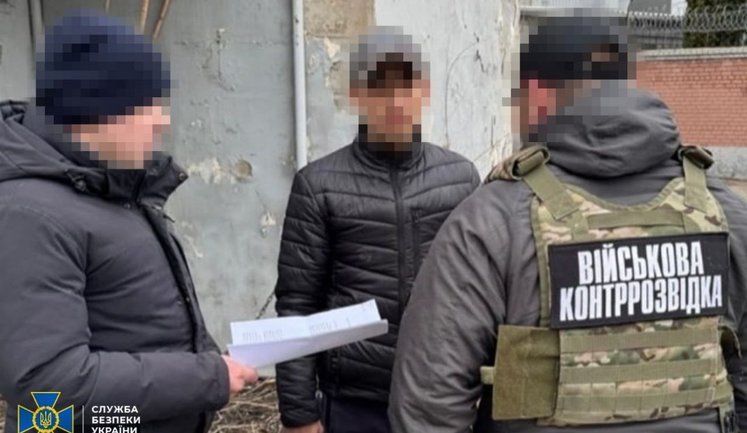
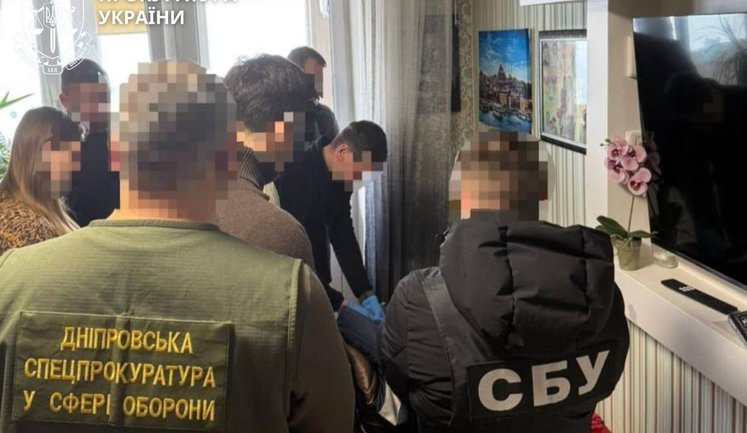
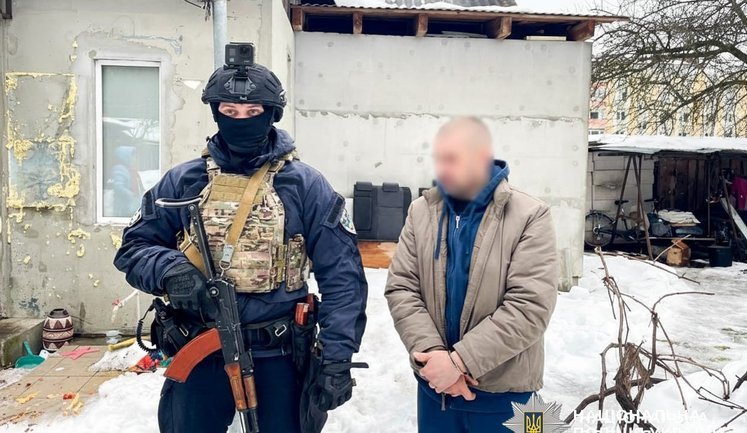
With the ongoing conflict in Ukraine, the challenge of desertion, or 'duck-out', has gained prominence. In several regions, a substantial number of servicemen have been reported to abandon their posts, leading to organized schemes that facilitate desertion. Notably, the State Bureau of Investigation and the Security Service of Ukraine have been instrumental in uncovering such networks, exposing FSB agents within the military. Figures from the Prosecutor General's Office indicate a significant rise in desertion cases, with over 310,000 AWOL and desertion cases registered since the conflict's escalation. Efforts to curb these instances include legal amendments allowing return without penalties, highlighting ongoing adjustments in the military and legislative responses to address this issue effectively. The complexities surrounding duck-out underscore the multifaceted challenges faced by Ukrainian authorities amid the war.
What measures are taken against duck-out in Ukraine?
In Ukraine, numerous measures have been implemented against duck-out, including legal amendments, intensified investigations, and cooperation between the State Bureau of Investigation and Security Services. These efforts aim to dismantle organized desertion networks and encourage voluntary returns under updated procedures granting exemptions from penalties.
How have duck-out cases impacted the Ukrainian military?
The impact of duck-out cases on the Ukrainian military is significant, leading to over 310,000 desertion reports. Such cases challenge military cohesion and morale, prompting comprehensive responses from law enforcement to maintain order and discipline within the armed forces amidst ongoing conflict.
Are there legal consequences for desertion in Ukraine?
Yes, desertion in Ukraine entails legal consequences. However, recent legislative changes have introduced opportunities for servicemen to return to their units voluntarily without facing criminal penalties. This approach aims to balance maintaining order with understanding the complex realities soldiers face.
What role does the Prosecutor General's Office play in addressing duck-out?
The Prosecutor General's Office plays a crucial role in addressing duck-out, registering criminal cases of AWOL and desertion, and providing procedural guidance. The office also compiles statistical data, guiding policy adjustments and aiding in the formulation of strategic responses against desertion.
Why is data on desertion sometimes restricted in Ukraine?
Data on desertion is occasionally restricted in Ukraine to prevent misuse by adversaries, particularly Russia, in information operations. Limiting data access helps maintain national security and strategic advantages, ensuring critical information does not compromise the safety and integrity of Ukrainian operations.
How are Ukrainian authorities addressing organized desertion networks?
Ukrainian authorities address organized desertion networks through coordinated investigations with entities like the State Bureau of Investigation and National Police. These efforts focus on dismantling networks that facilitate unauthorized servicemen exits, charging suspects, and reinforcing military discipline.
What is the significance of voluntary returns for deserters in Ukraine?
Voluntary returns are significant for deserters in Ukraine as they provide an opportunity to reintegrate into military service without facing punitive measures, fostering a chance for rehabilitation. Such policies aim to mitigate desertion rates, offering clemency while restoring servicemen to active duty.
How have recent developments affected the perception of military service in Ukraine?
Recent developments, including desertion cases and legal amendments, highlight the complexities of military service amid conflict. They affect perceptions by balancing the challenges of service with policies encouraging accountability and voluntary returns, thus influencing morale and operational readiness.
What challenges are posed by desertion during the Ukrainian conflict?
Desertion poses substantial challenges during the Ukrainian conflict, affecting military strength and operational efficiency. It requires strategic responses to prevent further depletion of military personnel and ensure cohesive defense efforts, necessitating robust legal and investigative frameworks to manage this issue.