ENG




10125 visitors online
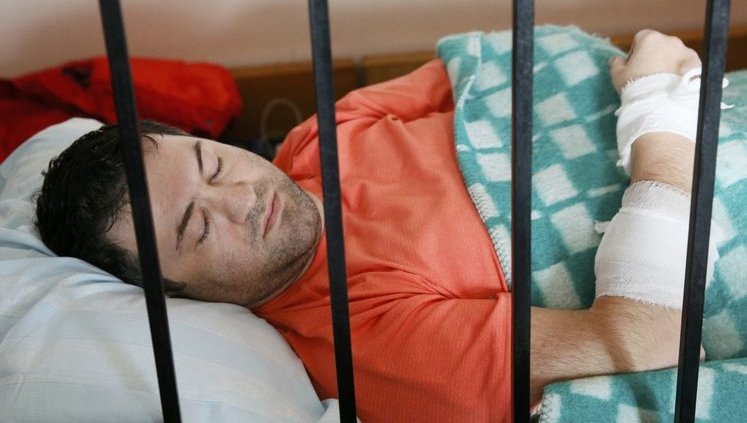
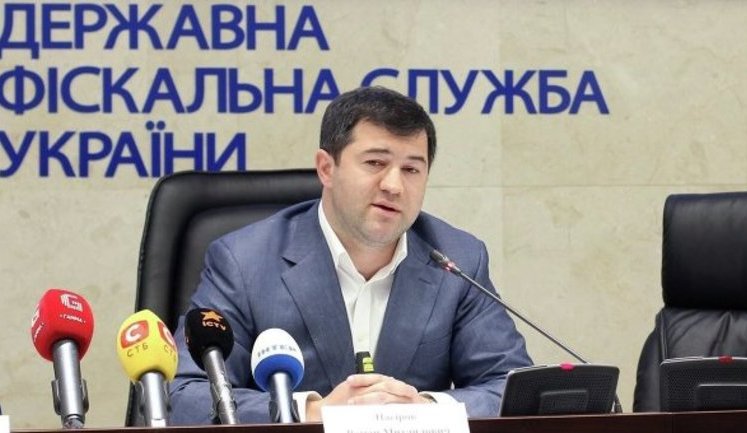
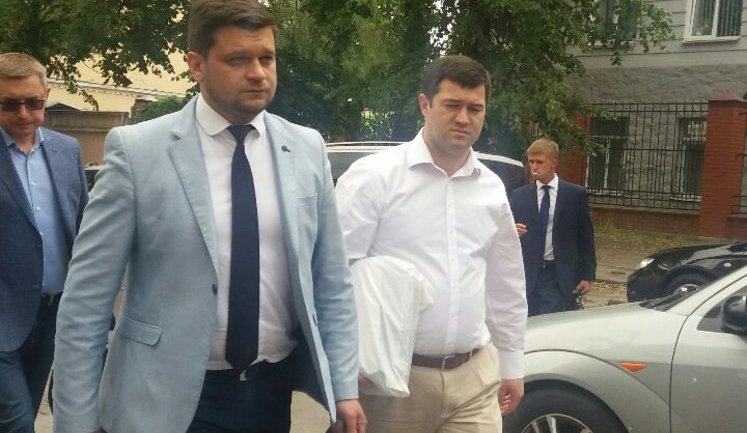
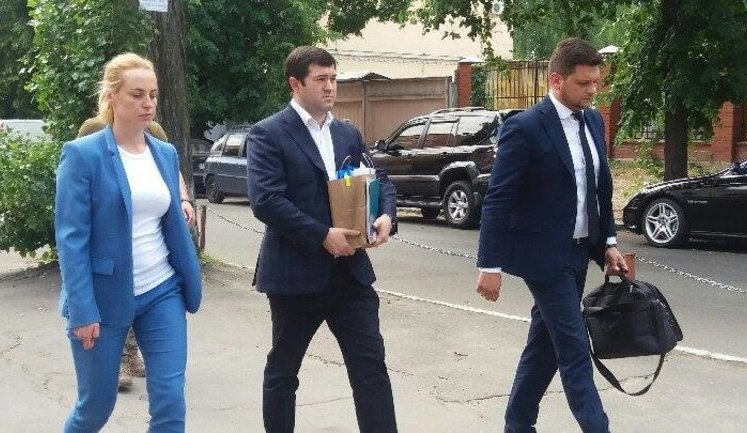
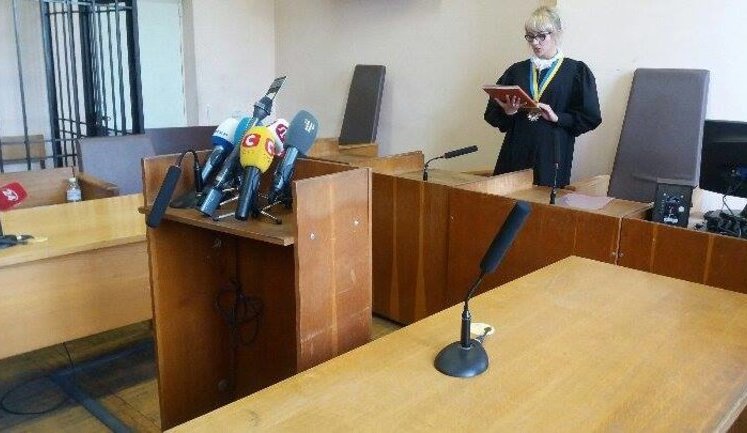
Roman Nasirov, the former head of the State Fiscal Service of Ukraine, has been sentenced to six years in prison by the High Anti-Corruption Court. He was found guilty of making unlawful decisions benefiting companies connected to former MP Oleksandr Onyshchenko. Throughout the investigation, Nasirov faced numerous legal challenges, including proceedings by the NABU and SAPO. The case highlights the ongoing efforts of Ukrainian anti-corruption agencies and the judiciary to address high-profile corruption cases. As a part of these efforts, numerous legal proceedings against Nasirov have taken place, indicating the judiciary's commitment to tackling corruption in Ukraine.
What was Roman Nasirov found guilty of?
Roman Nasirov, the former head of the State Fiscal Service of Ukraine, was found guilty of making unlawful decisions that benefited companies linked to former MP Oleksandr Onyshchenko. His actions were part of a larger corruption scandal investigated by Ukraine's anti-corruption agencies, leading to his sentencing by the High Anti-Corruption Court.
What was the outcome of Nasirov's court case?
The outcome of Roman Nasirov's court case was a six-year prison sentence handed down by the High Anti-Corruption Court. This sentence was a result of his involvement in corruption activities, including unlawful decisions favoring certain companies, a case thoroughly investigated by Ukrainian anti-corruption agencies.
Who are the other figures involved in the Nasirov corruption case?
The Nasirov corruption case involved several figures, notably former MP Oleksandr Onyshchenko, whose companies benefited from Nasirov's unlawful decisions. The case was a significant focus for the NABU and SAPO, highlighting broader issues of corruption within Ukraine's business and political sectors.
How did the Ukrainian authorities respond to the Nasirov case?
The Ukrainian authorities, particularly the National Anti-Corruption Bureau of Ukraine (NABU) and the Specialized Anti-Corruption Prosecutor's Office (SAPO), conducted thorough investigations into Roman Nasirov's activities. Their efforts led to his conviction and sentencing, emphasizing Ukraine's dedication to combating high-level corruption.
What implications does Nasirov's sentencing have for Ukraine's anti-corruption efforts?
Nasirov's sentencing underscores Ukraine's commitment to fighting corruption at the highest levels of government. It not only serves as a deterrent but also reflects the growing capability and determination of Ukraine's anti-corruption bodies to enforce legal accountability, setting a precedent for future cases.
What were the conditions surrounding Nasirov's bail and arrest?
Roman Nasirov's legal journey included multiple bail decisions, with initial amounts set to UAH 75 million, reflecting the seriousness of his alleged offenses. These proceedings were pivotal in demonstrating the judiciary's strategy towards high-profile corruption cases, ensuring due process was stringently followed.
News Nasirov Roman
 "Gas case": HACC appeals court upheld Nasirov’s sentence—six years in prison The High Anti-Corruption Court upheld the 6-year prison sentence handed down to Roman Nasirov, the former head of the State Fiscal Service. 3 770 22 Previously in trend: Trial of Nasirov
High Anti-Corruption Court sentences former State Fiscal Service head Nasirov to six years in prison Former head of the State Fiscal Service Roman Nasirov has been found guilty in a case involving unlawful decisions made in favor of companies linked to former MP Oleksandr Onyshchenko. 8 865 88 Previously in trend: Onyshchenko case Trial of Nasirov
 Today Zelenskyy’s "servants" will support bills that will allow corrupt officials to hide from court in rear and protect most corrupt judges from dismissal - Shabunin Today, June 3, 2025, a regular meeting of the Verkhovna Rada will be held, during which the "Servants of the People" faction intends to support a number of scandalous bills. 5 170 68
SAPO requests Nasirov’s arrest with alternative bail of UAH 75 million The prosecutor asked the court to change the measure of restraint for the former head of the SFS Roman Nasirov to custody, determining the possibility of bail in the amount of UAH 75 million. 3 347 36 Previously in trend: Trial of Nasirov
 Armed Forces of Ukraine cancelled order to mobilize Nasirov, initiated internal investigation An internal investigation is being conducted into the conscription of the former head of the State Fiscal Service Roman Nasirov, who is a suspect in the €21 million bribery case, into the Armed Forces of Ukraine. The mobilization order itself has already been canceled. 19 454 101 Previously in trend: Trial of Nasirov Nasirov mobilized
 Scheme to legalize EUR 21 million bribe by ex-head of SFS is exposed - NABU. INFOGRAPHICS The NABU and the SAPO exposed a scheme to legalize part of the bribe received in 2015-2016 by the head of the State Fiscal Service of Ukraine and persons close to him for VAT refunds to agricultural holding companies. 5 456 9 Previously in trend: Fighting corruption in Ukraine
 Former SFS head Nasirov is released on bail of UAH 55 million. He was in jail for year and half The former head of the State Fiscal Service, Roman Nasirov, was granted bail of UAH 55 million. 4 937 61
 Anti-Corruption Court extends Nasirov’s arrest until 18 February, but reduces bail to UAH 100 million The High Anti-Corruption Court has reduced the bail amount for former head of the State Fiscal Service Roman Nasirov to UAH 100 million 472 million. 1 323 10 Previously in trend: Trial of Nasirov
 Court recognizes dismissal of Nasirov from post of State Fiscal Service Chair to be illegal The Sixth Appeal Court of Kyiv recognized the decision of the Cabinet of Minister on the dismissal of former chair of State Fiscal Service Roman Nasirov as illegal. 19 546 167
 Government to appeal against ruling reinstating Nasirov, - Cabinet’s representative to parliament Denysenko The Ukrainian government has not yet received a formal court decision on the reinstatement of Roman Nasirov as the head of the State Fiscal Service. 6 367 130 Previously in trend: Trial of Nasirov
 Kyiv court reinstates ex-top taxman Nasirov charged with corruption The District Administrative Court of Kyiv on Tuesday reinstated Roman Nasirov as chairman of the State Fiscal Service of Ukraine. 28 600 513 Previously in trend: Trial of Nasirov
 Judge Bobrovnyk who handled cases against Nasirov and Onyshchenko passed away Judge of Solomianskyi district court of Kyiv Oleksandr Bobrovnyk passed away at the age of 37. The cause for his death is still unknown. 36 832 192
 Cabinet sacks suspended chief taxman Nasirov Ukraine’s Cabinet of Ministers removed State Fiscal Service Chief Roman Nasirov from office. The senior official had earlier been suspended over corruption allegations. 27 197 84
 Court arrests all property of Nasirov, - attorney The court has arrested all immovable property of suspended head of the State Fiscal Service Roman Nasirov, charged with conducting activities that inflicted damage to the state. 28 157 108 Previously in trend: Trial of Nasirov
 Court refused to grant Nasirov's request to let him go abroad for treatment. PHOTO The Solomiansky district court of Kyiv has refused to grant the request by dismissed head of the State Fiscal Service of Ukraine Roman Nasirov to change his restrictive measure so that he could travel abroad for treatment. 15 061 89 Previously in trend: Trial of Nasirov
 Court prolonged Nasirov's obligations for two months The court has prolonged the obligations imposed on former State Fiscal Service head Roman Nasirov for the investigation period. 6 661 15 Previously in trend: Trial of Nasirov
 Nasirov might be tried in Great Britain, - Embassy U.K. is concerned about the recent decision of Solomianskyi court. 60 955 129 Previously in trend: Trial of Nasirov
 Court refuses to order collection of 100M hryvnia posted in bail for Nasirov The complete ruling will be presented on June 12. 47 033 74
Nasirov's father-in-law, spouse arrive at court as hearing about to start. PHOTOS The father-in-law and the wife of Ukraine's former chief taxman Roman Nasirov came to court. 50 720 49
 Nasirov requested his foreign passport to go to US for treatment Discharged head of State Fiscal Service of Ukraine (SFS) Roman Nasirov, who had been charged with a criminal violation of law, has requested NABU (National Anti-Corruption Bureau) to give him back his foreign passport so that he could travel to the U.S. for medical treatment. 41 519 218 Previously in trend: Trial of Nasirov
 NABU plans to complete probe into Nasirov case by June, - Sytnyk The National Anti-Corruption Bureau (NABU) intends to complete the investigation of criminal case against suspended Tax Service Chief Roman Nasirov before June 2017. 3 403 2 Previously in trend: Trial of Nasirov
 Cases against Nasirov, Martynenko to show whether influence of bureaucracy and oligarchs diminishes, Lithuanian FM says Lithuanian Minister of Foreign Affairs Linas Linkevičius is convinced that the cases against suspended Tax Service Chief Roman Nasirov and ex-MP Mykola Martynenko will indicate the effectiveness of the newly-created Ukrainian anti-corruption agencies. 12 757 49 Previously in trend: Trial of Nasirov Martynenko case trial
 Court extends house arrest of Ukraine's former tax chief Nasirov. PHOTO The court has granted a request of the Specialized Anti-Corruption Prosecutor's Office (SAP) and extended the preventive measure imposed against suspended State Fiscal Service chief Roman Nasirov for two more months. 18 579 26 Previously in trend: Trial of Nasirov
"As soon as case dismissed, I will return to work and expect apologies," - Nasirov Suspended State Fiscal Service Chief Roman Nasirov does not recognize his guilt and expects the National Anti-Corruption Bureau of Ukraine (NABU) and the Specialized Anti-Corruption Prosecutor's Office (SAP) offer him their apologies. 16 189 91 Previously in trend: Trial of Nasirov
Money posted as bail for Nasirov has legitimate origin, - SAP The State Financial Monitoring Service checked the origin of the money posted for suspended Tax Service Chief Roman Nasirov. 13 473 92 Previously in trend: Trial of Nasirov
 Data on $2M embezzlement case discovered at Nasirov's house An extract from the Unified Register of Pre-Trial Investigations of Ukraine containing information on a probe into appropriation of $2 million allocated by the U.S. government for the reform of the Prosecutor General's Office (PGO) was found at Roman Nasirov's house. 56 368 78
Court lifts seizure of Nasirov's domestic passport However, Ukraine's suspended chief taxman Roman Nasirov will not get the document back since there is another court ruling ordering its surrender. 26 738 98 Previously in trend: Trial of Nasirov
 Nasirov didn't show up for appeals hearing regarding impounded belongings Dismissed chief of the State Fiscal Service of Ukraine Roman Nasirov didn't show up in the court for the appeal hearing regarding his personal belongings impounding. 10 762 35 Previously in trend: Trial of Nasirov
NABU says no need for Nasirov’s reexamination The National Anti-Corruption Bureau of Ukraine (NABU) says the suspended tax service chief failed to substantively reply to more than a half of the questions asked by the agency investigators during his interrogation on March 17. 1 889 4 Previously in trend: Trial of Nasirov
Nasirov case: court puts tax service department head in pre-trial detention, sets 8M hryvnia in bail Solomianskyi district court of Kyiv has ruled to impose detention on remand against the State Fiscal Service repayment department head with the right to post 8 million hryvnia (over $296,000) in bail. 8 843 17 Previously in trend: Trial of Nasirov
 NABU files proceedings against Solomianskyi court Head Sheremetieva for dragging out Nasirov case, - Kholodnytskyi The Specialized Anti-Corruption Prosecutor's Office (SAP) says the National Anti-Corruption Bureau (NABU) has initiated a criminal investigation against Solomianskyi district court of Kyiv Head Liudmyla Sheremetieva and is now determining its jurisdiction. 24 421 37 Previously in trend: Trial of Nasirov
Feofania doctors, Nasirov may face punishment over forged diagnosis, - MP Yemets Feofania clinic doctors and suspended tax and customs service chief Roman Nasirov may be held liable if the conclusions of a Health Ministry commission, set up to look into possible fabrication of the Nasirov's diagnosis, are confirmed. 28 958 127 Previously in trend: Trial of Nasirov
Health Ministry board disproves Nasirov’s diagnosis made at Feofania hospital, - NABU The medical expert board of the Health Ministry did not confirm the disease of suspended Tax Service Chief Roman Nasirov allegedly revealed by the doctors of the Feofania hospital. 28 396 113 Previously in trend: Trial of Nasirov
Nasirov didn't surrender his British passport to investigators, prosecutor Symkiv says Suspended Chief of State Fiscal Service Roman Nasirov did not hand over his British passport to the investigators. 32 116 136 Previously in trend: Trial of Nasirov
 NABU to check origin of 100M hryvnia posted in bail for Nasirov The Specialized Anti-Corruption Prosecutor's Office (SAP) has instructed the National Anti-Corruption Bureau (NABU) to verify the legality of the origin of 100 million hryvnia ($3.7 million) paid in bail for suspended chief of the State Fiscal Service Roman Nasirov. 38 114 172 Previously in trend: Trial of Nasirov
"I am very grateful to my family for having raised that amount of money," - Nasirov left remand prison. VIDEO Suspended Tax Service Chief Roman Nasirov was released from the pre-trial detention center after his relatives posted 100 million hryvnia in bail. 125 589 454 Previously in trend: Trial of Nasirov
Nasirov bailed out by his wife, - SAP Wife of suspended Chief of the State Fiscal Service Roman Nasirov posted 100 million hryvnia in bail to release him from pre-trial detention. 106 326 582 Previously in trend: Trial of Nasirov
No one to bail Nasirov out, he goes back to remand prison No bail will be posted for suspended Head of the State Fiscal Service Roman Nasirov. 16 612 53 Previously in trend: Trial of Nasirov
Appeals court upholds Nasirov's arrest, 100M hryvnia bail unchanged The Kyiv Court of Appeal has ruled to leave suspended State Fiscal Service chief Roman Nasirov in custody. 21 036 82 Previously in trend: Trial of Nasirov
Nasirov reasserts his innocence, considers his detention illegal Suspended Chairman of the State Fiscal Service of Ukraine Roman Nasirov considers charges brought against him to be completely unfounded. 18 787 112 Previously in trend: Trial of Nasirov
 Full text of indictment against suspended tax service chief Nasirov The full text of indictment against suspended Chairman of the State Fiscal Service Roman Nasirov has been published. 15 733 33 Previously in trend: Trial of Nasirov
 Consideration of appeal against interim measure for Nasirov. LIVE The Kyiv Court of Appeal has started consideration of the appeal filed by lawyers of the dismissed head of the State Fiscal Service of Ukraine Roman Nasirov against the decision of the Solomianskyi District Court of Kyiv. 18 985 36 Previously in trend: Trial of Nasirov
 Pre-trial probe in Nasirov case may take up to four months, lawyer says The criminal investigation against chief of Ukraine's tax and customs authority Roman Nasirov will not be quick. 11 089 63 Previously in trend: Trial of Nasirov
McCain commended apprehension of Nasirov and encouraged to continue anti-corruption efforts U.S. Senator John McCain, Chairman of the Senate Armed Services Committee, released the statement on the arrest of the director of the State Fiscal Service of Ukraine Roman Nasirov, pending embezzlement charges. 16 006 171 Previously in trend: Trial of Nasirov
 Nasirov is subject of Great Britain, - SAP chief Kholodnytskyi The Specialized Anti-Corruption Prosecutor's Office (SAP) has received a confirmation from Britain's National Crime Agency that suspended head of the State Fiscal Service of Ukraine Roman Nasirov has a British passport. 85 386 248 Previously in trend: Trial of Nasirov
Appeals court to hear motion against Nasirov's pretrial restriction on March 13 Kyiv's Court of Appeal plans to consider complaint against measure of restraint imposed on suspended Head of the State Fiscal Service of Ukraine Roman Nasirov at 11 a.m. March 13. 4 252 16 Previously in trend: Trial of Nasirov
Nasirov intends to appeal his pre-trial restriction in ECHR Suspended Head of the State Fiscal Service Roman Nasirov intends to appeal against restrictive measure imposed on him by Ukrainian court in the European Court of Human Rights (ECHR). 16 364 62 Previously in trend: Trial of Nasirov
 SAP to appeal bail amount in Nasirov's arrest and demand 2 billion, - Kholodnytskyi The Specialized Anti-Corruption Prosecutor's Office (SAP) intends to file an appeal against the decision of the Solomanskyi District Court of Kyiv that arrested dismissed head of the State Fiscal Service Roman Nasirov under 100 million hryvnia bail. 27 825 113 Previously in trend: Trial of Nasirov
Page 1 of 3
more news