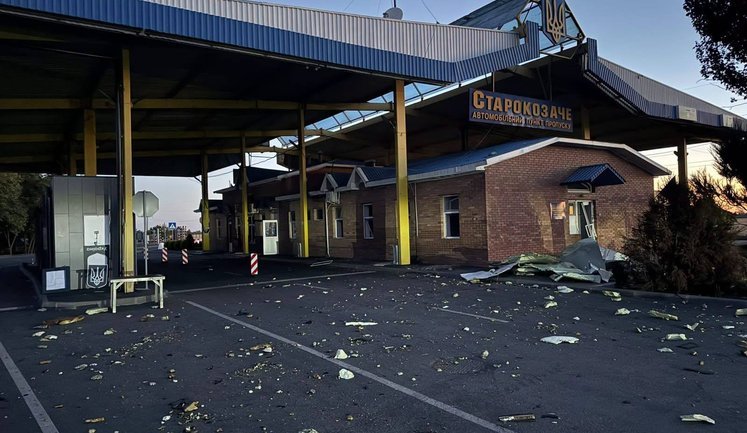
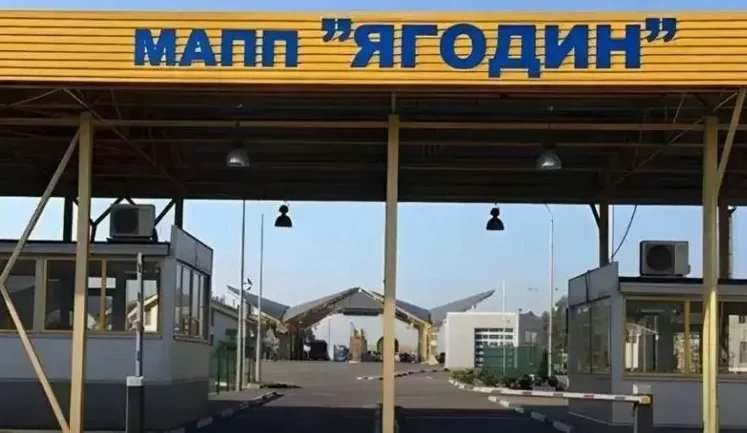
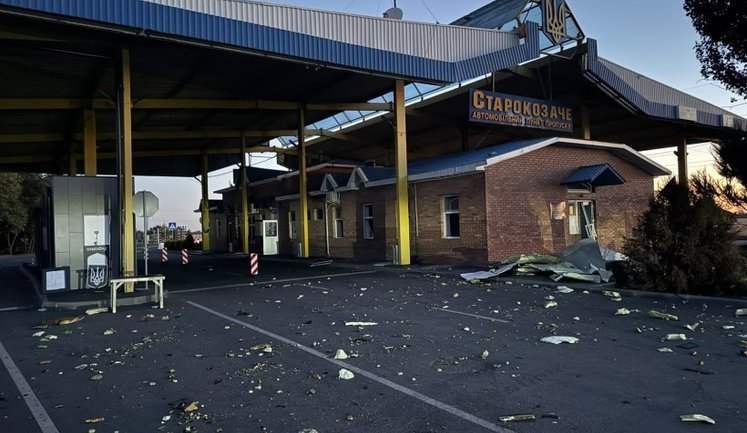
Checkpoint activities remain critical amidst geopolitical tensions. The recent attack on Odesa’s border point by Russian drones highlights ongoing conflicts' impact on border security. As Russia and Ukraine navigate border dynamics, they've seen closures, such as Russia's decision to shut 20 checkpoints in 2025, affecting cross-border movement. Protests and blockades, like those at the Medyka-Shehyni checkpoint, further complicate border operations. Meanwhile, initiatives like the "eQueue" system aim to streamline passage across EU borders. The resumption of operations at strategic points like "Orlivka" in the Odesa region and new openings with Hungary demonstrate efforts to maintain robust cross-border interactions.
What are the recent developments at the Ukrainian checkpoints?
Recent developments include significant events such as attacks on checkpoints by Russian forces, protests and blockades by local groups, as well as diplomatic negotiations to open new routes or improve existing infrastructure. These developments highlight the ongoing complexity and volatility of checkpoint operations in Ukraine.
Why was the "Orlivka" checkpoint in Ukraine recently in the news?
The "Orlivka" checkpoint in the Odesa region was in the news due to its resumption of operations after being damaged in a drone attack. This checkpoint is crucial for ferry crossing with Romania and symbolizes the resilience of Ukraine's border management system amid conflict.
How are checkpoints managed in conflict zones, like those in Ukraine?
In conflict zones, checkpoints are managed with heightened security measures, often involving military and police coordination. They are also targets of attacks and blockades, necessitating rapid response strategies and international cooperation to ensure safety and functionality.
What is the impact of Russia's closure of border checkpoints with Ukraine?
The closure of 20 border checkpoints by Russia has significantly impacted cross-border travel and trade between Russia and Ukraine, exacerbating logistical challenges, disrupting supply chains, and increasing political tensions between the countries amid ongoing conflicts.
How do international agreements influence checkpoint operations?
International agreements can facilitate the opening of new checkpoints, enhance existing infrastructure, and implement technological solutions like "eQueue" to ease border crossing. These agreements are vital in maintaining efficient cross-border movement and adapting to geopolitical shifts.