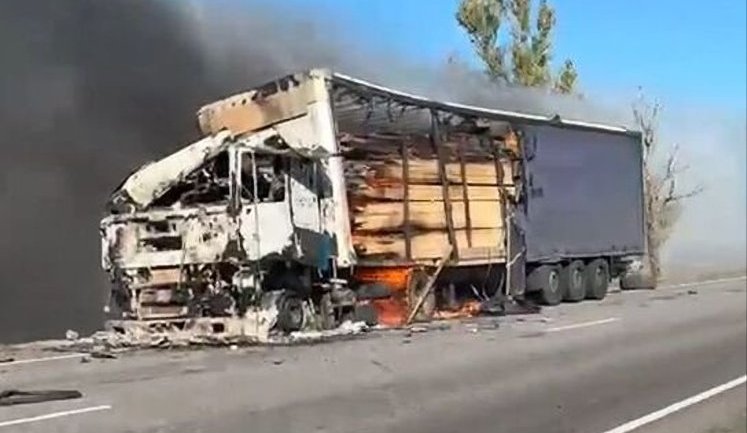
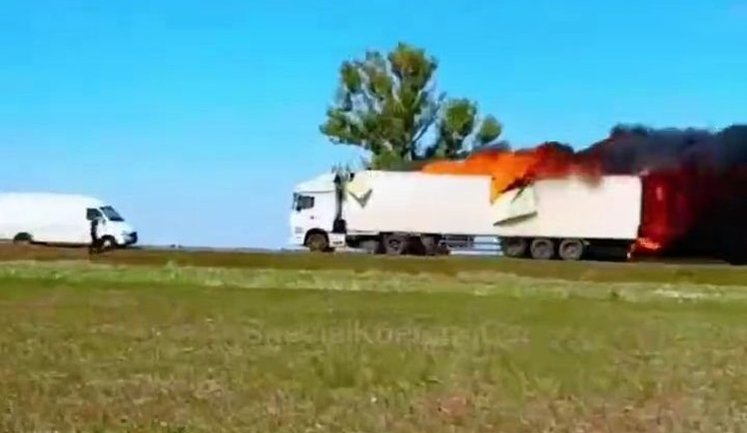
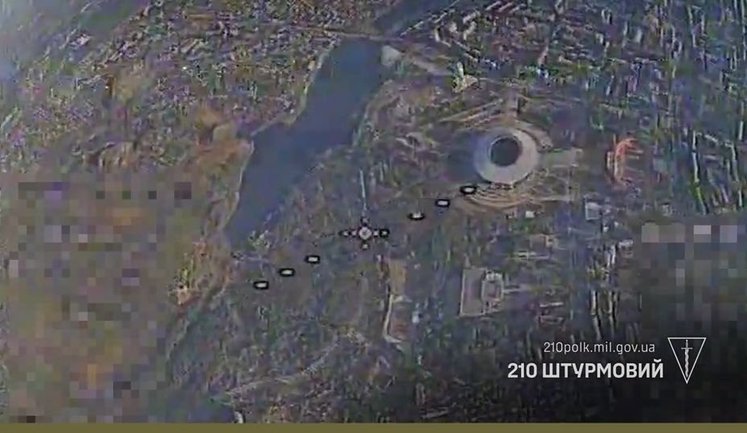
Recent Ukrainian drone strikes have significantly disrupted Russian military logistics across occupied territories. Key highways, such as the R-280 to Crimea, have witnessed damaged and destroyed vehicles, critically affecting logistics operations. Footage shows Ukrainian drones striking lorries and essential transport infrastructure, highlighting the tactical focus on crippling enemy supply lines. These attacks extend beyond military targets; major logistical hubs like Wildberries and Ozon face operational challenges due to sustained Ukrainian aerial assaults. As these strikes continue, Russia's logistics network grapples with instability and resource shortages.
How have drone strikes impacted Russian logistics in Ukraine?
Ukrainian drone strikes have heavily impacted Russian logistics by targeting military supply routes and storage facilities. This has led to significant disruptions in the flow of essential supplies, considerably weakening Russia's operational efficiency in occupied territories. Footage of the aftermath showcases the strategic targeting of transport corridors crucial to the enemy's logistical support.
What corridors have been affected by Ukrainian drone attacks?
Ukrainian drones have targeted various logistics routes, including the R-280 Novorossiya highway and the Mariupol–Chonhar road, impacting military and civilian transport. These strikes aim to dismantle key supply chains crucial for maintaining Russian control over occupied regions, thus straining their operational logistics.
Are civilian logistics facilities in Russia also affected?
Civilian logistics in Russia have been affected, with drone strikes hitting major hubs like Wildberries' warehouses and disrupting the supply chain to franchises, including major café chains in Moscow. These attacks contribute to increasing economic and logistical disarray within Russia, spreading beyond the immediate impact on military operations alone.
What are the economic effects of the logistics disruptions in Russia?
The economic effects are significant, with the destruction of logistics centers like Wildberries leading to sizeable financial losses, estimated in billions due to destroyed stock. Disruptions in logistics contribute to supply shortages, affecting consumer markets and undermining business stability, signaling long-term economic challenges for Russia.
How have logistics companies in Russia responded to strikes?
Russian logistics companies have had to contend with significant operational adjustments, including enhanced security measures and reconsideration of supply routes. Some, like Ozon, have halted services to conflict zones, adapting their operations to mitigate the risks posed by frequent drone strikes, despite these adjustments often leading to reduced service efficiency and economic strain.
What is the significance of drone warfare on logistics in the conflict?
Drone warfare has emerged as a pivotal element in modern conflict, critically affecting logistics by allowing precise and distant targeting of supply chains. This capability enables strategic disruption of enemy operations, exemplified by significant logistical challenges now faced by Russian forces and civilian infrastructure due to targeted Ukrainian drone strikes.